
Jersey's Red Squirrel Population Thrives Despite Non-Native Status
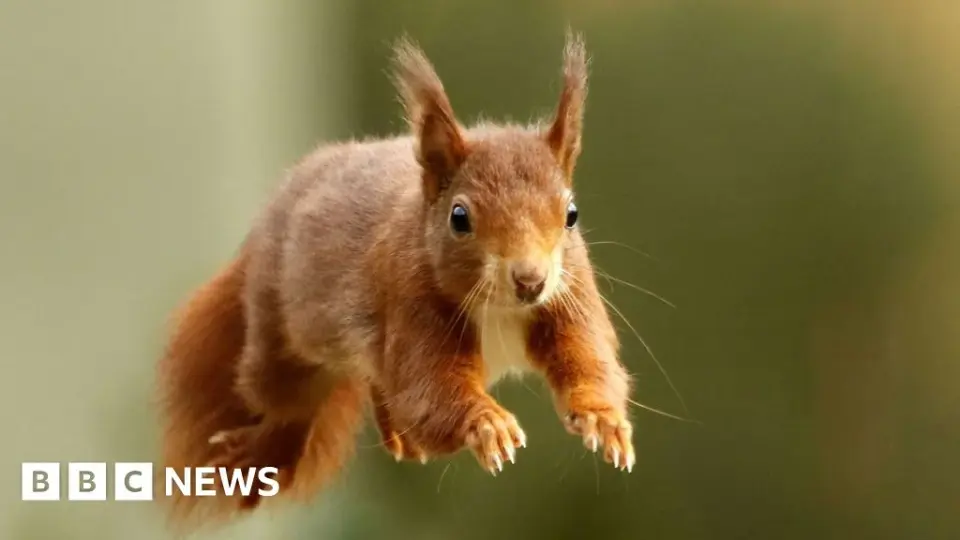
Red squirrels, endangered in mainland Britain, maintain a stable and widespread population in Jersey. Their success is attributed to the absence of grey squirrels, which carry a virus fatal to red squirrels, as well as local community support and protective infrastructure. Although not native to the island, having been introduced in 1885, they are now considered a naturalized and iconic species for Jersey residents and visitors.
Key points
- Jersey serves as a significant refuge for red squirrels, with the species described as 'fairly widespread' across the island's inland valleys and woodlands.
- The primary factor for their survival is the complete absence of grey squirrels, which compete for food and transmit a virus deadly to red squirrels.
- Red squirrels were introduced to Jersey in 1885 and are now considered 'naturalized' and 'assimilated' into the local environment, despite not being native.
- Local residents actively support the species by providing feeders and reporting sightings, contributing to their stability.
- Infrastructure such as rope bridges and low speed limits helps reduce road casualties, while the JSPCA has handled 50 red squirrels this year, including hand-rearing eight kits.
Background
Red squirrels are endangered across the UK, with only 120,000 to 160,000 remaining in the wild. Approximately 75% of the British population resides in Scotland, while strongholds in England are largely limited to islands. Recent conservation efforts have focused on mitigating vehicle collisions, which have injured multiple red squirrels in the past month, highlighting the ongoing threats to the species in mainland areas.
Why it matters
The stability of red squirrels in Jersey offers a model for conservation success in the face of species decline elsewhere in the UK. It demonstrates how the absence of invasive competitors and active community engagement can sustain a vulnerable population. This case study provides insights into effective habitat management and public involvement in wildlife preservation, potentially informing strategies for other endangered species facing similar pressures from invasive species and human activity.
What to watch
Conservationists will continue to monitor the red squirrel population in Jersey to ensure its long-term stability. Efforts to maintain protective infrastructure, such as rope bridges, and to encourage community support through feeder programs are expected to continue. The JSPCA will likely continue its hands-off approach to handling injured squirrels, aiming to keep the animals as wild as possible while providing necessary care for those in distress.
Want the full story? Read the original reporting
Read on BBC