
Record El Niño Threatens 50 Million with Acute Hunger by 2027
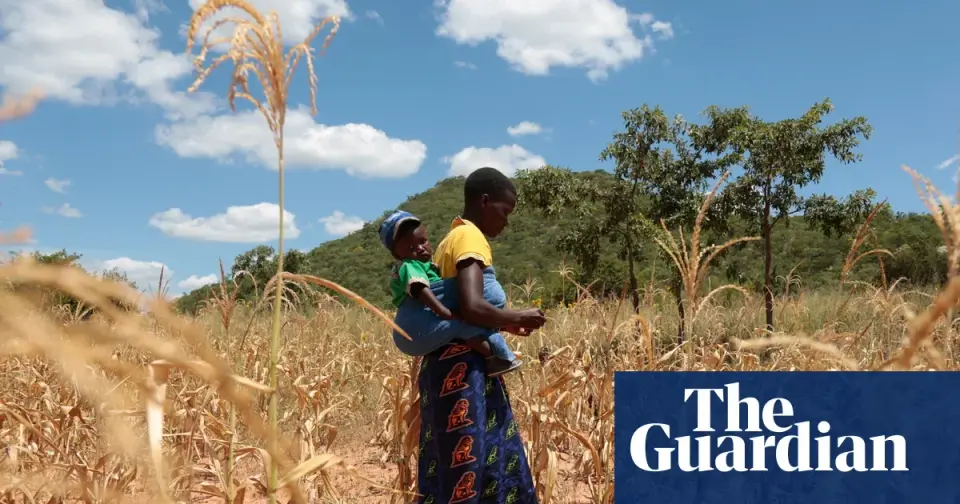
A rapidly intensifying El Niño, potentially the strongest in 70 years, is forecast to push 50 million additional people into acute hunger by the end of 2027. This surge adds to the 225 million already facing food insecurity, driven by drought and conflict. While the event will boost global temperatures and disrupt weather patterns, its impact on food security is expected to peak in the 2027-2028 lean season. The UN World Food Programme (WFP) is deploying $80 million in anticipatory aid to mitigate these effects, though data collection gaps and export restrictions by major nations pose significant risks to global food stability.
Key points
- The WFP warns that 50 million people will be pushed into acute hunger by the end of 2027 due to the current El Niño.
- This event is projected to be the strongest in at least 70 years, potentially the 'super El Niño' of the century.
- Acute food insecurity will affect 45 countries, with the worst impacts in Central/South America, the Caribbean, and southern Africa.
- The WFP has allocated $80 million for early warning systems and anticipatory relief efforts to mitigate the impact.
- Global food prices are expected to rise, with concerns that major exporting countries may restrict shipments, exacerbating regional shortages.
Background
This development follows earlier warnings in August 2026 that the El Niño would dominate global weather, boosting heatwaves and droughts. Previous coverage noted that while the 2026 heat is primarily driven by long-term climate change, the El Niño adds a significant temporary warming effect. Additionally, earlier discussions on geoengineering, such as marine cloud brightening, highlighted the scientific debate over how to manage such extreme weather events, though no such interventions are currently in place.
How outlets are covering it
The Guardian emphasizes the humanitarian crisis, citing the WFP’s specific projection of 50 million new cases of acute hunger and the $80 million aid budget. CNN focuses on the meteorological certainty, noting that all computer models agree on the event's strength and duration, which allows for high-confidence seasonal forecasts. AP News highlights the temperature implications, with scientists like Zeke Hausfather calculating a rising probability that 2026 or 2027 will become the hottest year on record, though they clarify that current summer heat is largely due to climate change rather than the El Niño. WBKO provides a localized perspective for the US Midwest, noting a 97% chance the El Niño persists into spring 2027 and predicting a drier winter for that region. While all sources agree on the event's strength, they differ in emphasis: the WFP focuses on food security, CNN on predictive modeling, AP on global temperatures, and WBKO on local weather impacts.
Why it matters
The convergence of a record-breaking El Niño with existing climate change and geopolitical conflicts creates a 'perfect storm' for global food insecurity. The potential for 50 million additional people to face acute hunger by 2027 threatens to destabilize regions already struggling with drought and conflict. Furthermore, the risk of export restrictions by major agricultural nations could trigger a global price spike, affecting food access in the Global North and South alike. This event underscores the urgent need for anticipatory relief mechanisms and international cooperation to prevent a humanitarian crisis.
What to watch
The WFP will monitor the effectiveness of its $80 million anticipatory aid program in the 45 affected countries. Meteorologists will continue to track the El Niño's intensity, with the next major update expected in October. Governments in major exporting nations will face pressure to avoid restricting food exports to prevent a global price spike. The peak impact on food security is expected during the 2027-2028 lean season, particularly in southern Africa, where the growing season extends from October 2026 to March 2027.
- El Niño could push 50m people into acute hunger before end of next year The Guardian
- What the ‘strongest El Niño on record’ actually means (for humans) CNN
- This summer isn’t breaking heat records — yet. Wait until El Nino kicks in, scientists say AP News
- El Niño continues strengthening towards record territory, likely to reach 'Super' status by year's end FOX Weather
- What’s happening in the Pacific Ocean could change your fall and winter WBKO
Want the full story? Read the original reporting
Read on The Guardian