
EU and US monitor suspected pneumonic plague case in Siberia after lab worker death
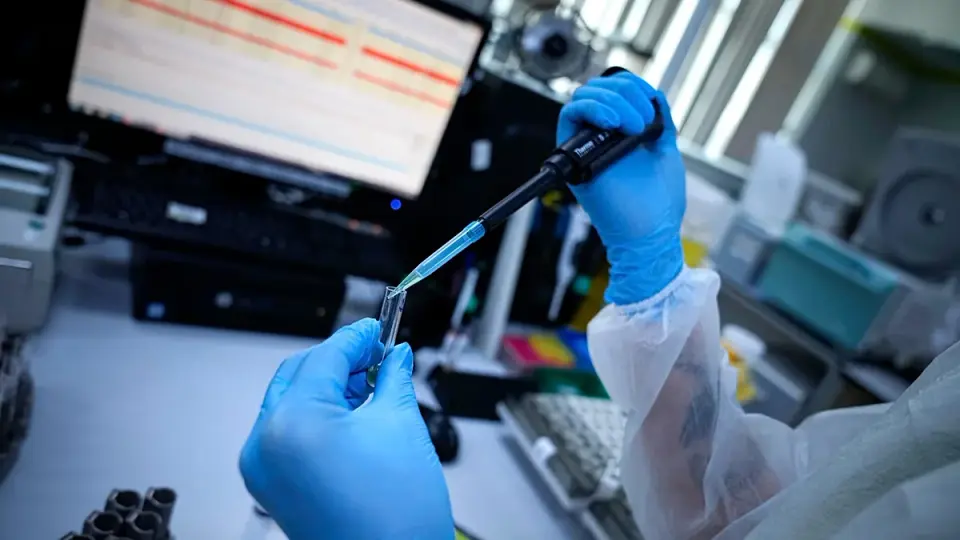
A 28-year-old female researcher at the Irkutsk Research Anti-Plague Institute in Siberia died on October 2, 2026, after reportedly breaking a test tube containing the plague pathogen on September 25. While Russian authorities attribute her death to 'pneumonia of unknown etiology' and state that expanded testing found no microorganisms linked to her work, international bodies are closely monitoring the situation. Approximately 189 to 200 contacts have been placed under medical observation, and a hospital facility in the Shelekhov district was quarantined. The European Commission and US State Department are urging Moscow for transparent reporting, though no confirmed outbreak has been declared.
Key points
- The incident involves Daria Shipilova, a 28-year-old lab worker at the Irkutsk Anti-Plague Institute, who died between October 1 and 2 after being hospitalized on September 29.
- Russian public health agency Rospotrebnadzor confirmed the diagnosis as 'pneumonia of unknown etiology' and reported that expanded testing did not detect microorganisms linked to the employee's professional activities.
- Regional Governor Igor Kobzev stated that the sanitary-epidemiological situation in the Irkutsk region remains stable, with no new cases reported among other lab employees.
- Precautionary measures include placing nearly 200 contacts under strict medical observation and quarantining an inpatient facility in the Shelekhov municipal district near the Mongolian border.
- The European Commission is monitoring the situation 'very closely' through the World Health Organization, while the US State Department urges Moscow to provide accurate and open information quickly.
Background
This incident follows a period of heightened tensions between the EU and Russia, including recent discussions on expanding sanctions and hybrid threats. However, the current focus is strictly on public health, as plague has been absent in Europe for over 50 years. Previous archive coverage from October 5, 2026, noted similar international scrutiny regarding the lack of transparency from Moscow, while earlier September 2026 events focused on geopolitical sanctions and security incidents unrelated to this health crisis.
How outlets are covering it
Euronews emphasizes the EU's readiness to coordinate a response among member states and notes that antibiotic stocks are available, citing post-COVID preparedness. NBC News highlights the lack of confirmed plague diagnosis by Russian officials and includes expert opinion from Dr. Ashish Jha, who suggests the risk of a global pandemic is 'exceedingly low' but raises concerns about potential biological weapons programs. CNBC focuses on the specific number of 189 people under observation and the stability of the epidemiological situation according to local media. Axios provides the specific timeline of the incident, noting the test tube breakage on September 25 and the subsequent hospitalization, while emphasizing that the White House is 'assessing options' despite limited travel between the US and Russia.
Why it matters
The incident highlights the ongoing challenges in international public health transparency, particularly between the West and Russia, where diplomatic contacts are severely restricted since the invasion of Ukraine. While pneumonic plague is treatable with antibiotics, the lack of confirmed data from Moscow has triggered global monitoring efforts. The case underscores the importance of rapid information sharing to prevent potential outbreaks, even if the immediate risk of a widespread pandemic is considered low by experts.
What to watch
The European Commission and US State Department will continue to monitor the situation through the World Health Organization, pressing for timely and transparent reporting from Russian authorities. No dedicated emergency meetings or emergency measures are currently planned by the EU, but the situation will be reassessed if new cases emerge or if Moscow provides further confirmation of a plague outbreak.
- EU monitors 'very closely' suspected plague outbreak in Russia Euronews.com
- Russian lab worker dies of suspected plague as 200 enter medical observation NBC News
- Trump administration monitoring suspected Russian plague outbreak The Hill
- Russia hospitalizes almost 200 people after researcher's death from plague: Reports CNBC
- Scoop: White House monitors suspected plague outbreak in Russia axios.com
Want the full story? Read the original reporting
Read on Euronews.com