
EU Halts Brazilian Meat Imports Over Antibiotic Risks, Sparking UK and Irish Trade Debates
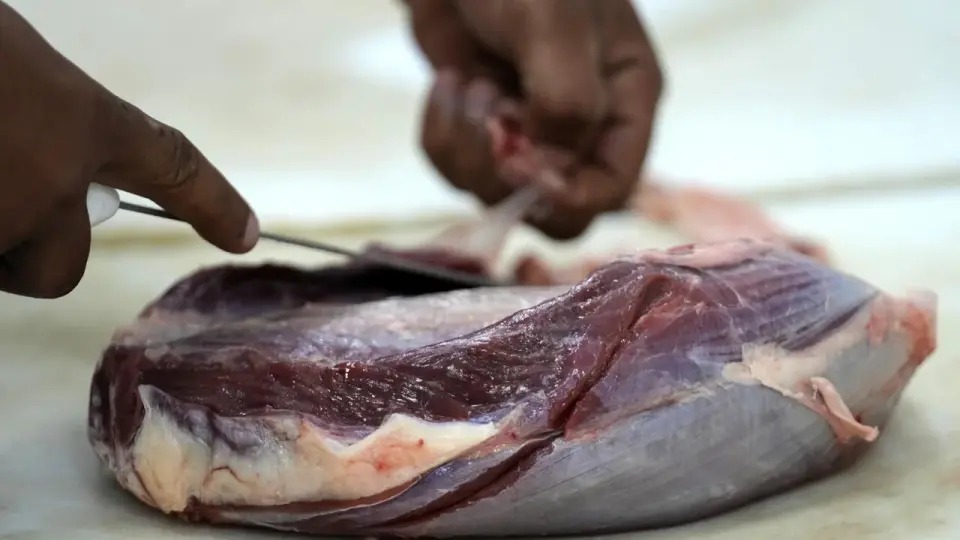
The European Union has suspended imports of Brazilian meat, poultry, eggs, and honey starting September 3, 2026, citing Brazil's failure to comply with EU regulations on antibiotic use in livestock. This move follows Brazil's placement on an EU non-compliance list in May 2026 and occurs shortly after the EU-Mercosur free trade agreement entered into force. While the EU offers no timeline for resuming trade, pending an audit of Brazil's poultry and honey sectors, the decision has prompted UK farming unions to demand a similar ban and Irish exporters to urge a broader review of the Mercosur deal.
Key points
- The EU Commission suspended imports of Brazilian food-producing animals and animal products for human consumption, including beef, poultry, eggs, and honey, effective September 3, 2026.
- The suspension is due to Brazil's failure to provide sufficient guarantees that its exports meet EU standards aimed at preventing the misuse of antibiotics in livestock farming.
- An audit of Brazil's poultry and honey sectors is scheduled to conclude on September 5, 2026; positive findings could allow poultry exports to resume within weeks, while beef imports may take longer.
- Brazil was the EU's second-largest beef supplier in 2025, exporting over 92,000 tonnes worth more than 713 million euros.
- UK farming organizations, including the National Farmers' Union, have called for a UK-wide ban on Brazilian meat imports to align with EU measures, citing public health risks from antimicrobial resistance.
- Irish livestock exporters have urged the EU to halt the entire Mercosur trade agreement, arguing that similar production practices exist in other Mercosur member states like Argentina, Uruguay, and Paraguay.
Background
This suspension follows the EU's signing of a free trade agreement with the Mercosur bloc (Argentina, Brazil, Uruguay, and Paraguay) in January 2026, which faced criticism from European farmers. Brazil was placed on an EU list of non-compliant countries regarding antibiotic use in May 2026. The EU's move highlights tensions between trade liberalization and stringent food safety and animal health standards, particularly concerning antimicrobial resistance.
How outlets are covering it
France 24 emphasizes the EU's regulatory stance and the lack of a timeline for resuming trade, noting Brazil's status as a major beef supplier. The Guardian highlights the UK's divergence from EU policy, with farming unions warning that Brazilian meat imports could rise in the UK market and pose public health risks, especially after a recent salmonella outbreak in imported eggs. Agriland focuses on the broader implications for the EU-Mercosur trade agreement, with Irish exporters arguing that the Brazilian ban should lead to a complete halt of the deal due to similar practices in other Mercosur countries. Food Safety News reiterates the UK farming unions' demand for a ban, stressing risks to public health and consumer confidence.
Why it matters
The suspension underscores the EU's commitment to strict food safety and animal health standards, particularly regarding antimicrobial resistance, which is a global health crisis. It also highlights the challenges of balancing trade agreements with regulatory compliance, as seen in the EU-Mercosur deal. The move may have significant economic impacts on Brazilian exporters and could influence trade policies in other regions, such as the UK, which is currently debating whether to align with EU restrictions.
What to watch
The outcome of the EU audit of Brazil's poultry and honey sectors, concluding on September 5, 2026, will determine if and when poultry exports can resume. The UK government's response to farming unions' calls for a ban on Brazilian meat imports will also be closely watched. Additionally, the EU may face increased pressure to review the entire Mercosur trade agreement if similar compliance issues are found in other member states.
- EU suspends Brazilian meat imports over antibiotic compliance concerns France 24
- EU to suspend Brazilian meat imports from September 3, citing antimicrobial rules Reuters
- UK urged to ban imports of Brazilian meat over health concerns The Guardian
- Independent Ireland called on to ramp up anti-Mercosur deal effort Agriland
- Unions renew call for UK to ban meat from Brazil foodsafetynews.com
Want the full story? Read the original reporting
Read on France 24