
Shipping Giants Protest Iran-Oman Hormuz Deal Over Proposed Transit Fees
Iran and Oman are finalizing a deal to reopen the Strait of Hormuz, which includes a plan to charge vessels fees for transit. Eight major global shipping associations have sent a letter to the UN and International Maritime Organization (IMO) opposing the move, arguing it violates international norms and will raise global energy costs. While Iran frames the charges as service fees for security and navigation, critics warn it sets a dangerous precedent for maritime law. The deal remains in its final stages, with Iran conditioning it on non-interference from third parties, likely the US.
Key points
- Iran and Oman have reached a preliminary agreement to reopen the Strait of Hormuz, with a joint statement in its final stages of drafting.
- The deal reportedly includes a proposal for vessels to pay fees to transit the waterway, which carries one-fifth of the world's oil.
- Eight shipping lobby groups, including the World Shipping Council and the International Chamber of Shipping, have protested the plan to the UN and IMO.
- Critics argue the fees violate the legal framework for international navigation and will increase energy prices and inflation globally.
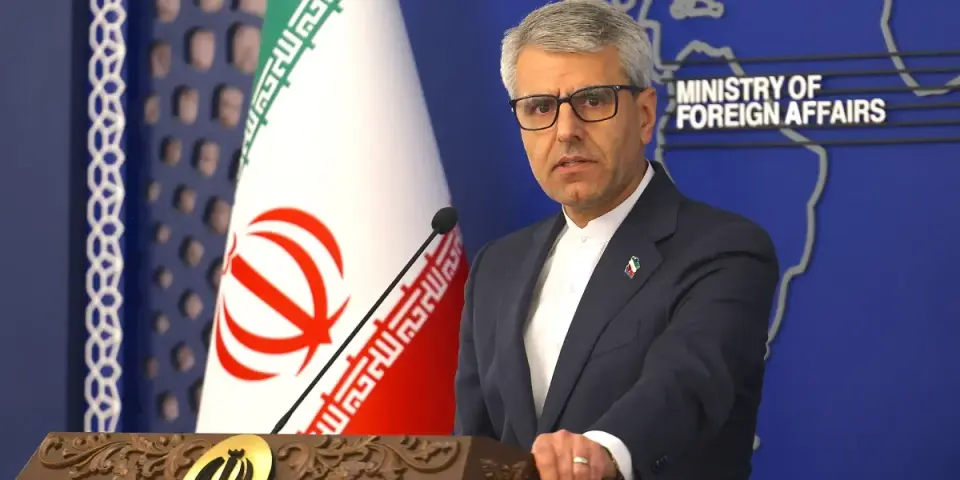
- Iran's foreign ministry spokesperson Esmaeil Baqaei confirmed the geographic coordinates of the route have been agreed upon, but the deal is contingent on 'certain third parties' not obstructing the process.
Background
This dispute follows months of conflict in the region, including a US-Israeli war against Iran in late February 2026. Iran established a de facto 'toll booth' in the strait after the conflict began and formalized it in May 2026 with the Persian Gulf Strait Authority. Previous negotiations in June and July 2026 saw Iran pause fees for 60 days during Swiss talks, but long-term fee structures remained a point of contention. The US has consistently opposed tolls, with Secretary of State Marco Rubio rejecting them in June 2026.
How outlets are covering it
Fortune and Al Jazeera highlight the outrage from the shipping industry, with eight major associations warning that compulsory charges would harm global livelihoods and violate international norms. The Journal of Commerce confirms the industry's call on the UN and IMO to prevent tolls. In contrast, the Financial Times presents a more nuanced legal view, citing JPMorgan analysis that suggests Iran could legally frame the charges as 'service fees' for navigational safety and security, similar to practices in the Danish Straits or Turkish Straits. This perspective suggests the move might be legally defensible if structured correctly, despite the industry's objections.
Why it matters
The Strait of Hormuz is a critical global chokepoint for oil and gas. Any change in its access rules could significantly impact energy prices, inflation, and global supply chains. The dispute also tests the boundaries of international maritime law and the influence of major powers like the US in regional conflicts. The outcome could set a precedent for how other nations manage and monetize strategic waterways.
What to watch
The next steps depend on the finalization of the Iran-Oman joint statement and the reaction of the US and other 'third parties.' If the deal proceeds, the shipping industry may face new costs, while Iran and Oman could gain revenue and strategic leverage. The US may need to decide whether to use diplomatic or military pressure to prevent the implementation of the fees.
- Iran says it has a deal to reopen the Strait of Hormuz—and shipowners are outraged by its plan to charge fees Fortune
- Strait of Hormuz tolls would harm livelihoods worldwide, shipowners warn Al Jazeera
- Shipowners Say Hormuz Tolls Would Lead to More Charges Elsewhere Bloomberg.com
- Iranian tanker tolls: totally legit after all? Financial Times
- Global shipping calls on UN, IMO to ensure no Hormuz tolls Journal of Commerce
Want the full story? Read the original reporting
Read on Fortune