
Coordinated Bomb Threats Ground Seven European Flights, All Cleared as False Alarms
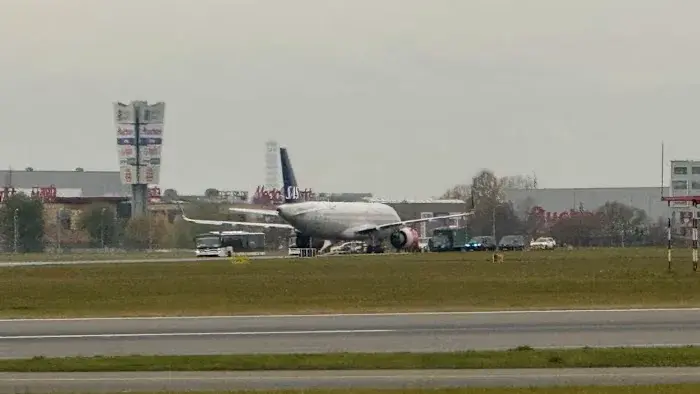
Seven passenger aircraft across Europe were grounded and searched on Tuesday after a series of bomb threats received within hours of each other. All incidents were confirmed as false alarms with no explosives found. The disruptions affected airlines including Ryanair, LOT, SAS, and Wizz Air, with one Ryanair flight escorted by Italian fighter jets. Analysts suggest the frequency of threats indicates a coordinated effort to disrupt European air travel, though authorities have not linked the incidents to a single actor.
Key points
- Seven flights faced bomb threats on Tuesday, November 3, 2026, including Ryanair services from Manchester to Murcia and Dublin to Rome, a LOT flight from Heathrow diverted to Warsaw-Modlin, a SAS flight from Copenhagen to Warsaw, and a Wizz Air flight from Bergamo to Sofia.
- All seven incidents were confirmed as false alarms after security sweeps, with no evidence of devices or explosives found by authorities in Spain, Poland, Italy, and Bulgaria.
- One Ryanair flight landing at Rome Fiumicino was escorted by two Italian air force fighter jets, while Warsaw-Modlin airport briefly closed before resuming normal operations.
- The threats were received within hours of each other, with one Ryanair threat contained in an email sent to the airline, according to a Spanish government official.
- Analysts noted that the frequency of threats suggests a coordinated effort to disrupt European air travel, citing the disproportionate emotional and economic impact of such incidents on aviation.
Background
This incident follows a similar bomb threat on a Wizz Air flight from Luton to Budapest on November 2, which was also confirmed as a false alarm. Two weeks earlier, an Austrian Airlines flight from Israel was forced to land at Sofia after a threat that turned out to be false. These recurring incidents highlight ongoing concerns about hybrid threats in European aviation, where crude threats can cause significant disruption and cost.
How outlets are covering it
The Financial Times emphasized the coordinated nature of the threats, noting that analysts view the frequency as indicative of a deliberate effort to disrupt air travel. The Guardian provided a detailed timeline of the seven incidents, confirming all as false alarms and correcting earlier reports that linked a threat to a flight from Israel, clarifying it was actually from Dublin. Both outlets agreed on the lack of explosives found but differed in emphasis: the FT focused on the economic impact and analyst commentary, while the Guardian detailed the specific flights and airport closures.
Why it matters
The coordinated nature of the bomb threats highlights vulnerabilities in European aviation security, where even false alarms can cause significant disruption, costs, and passenger anxiety. The incidents underscore the need for robust security protocols and coordination among airlines, airports, and governments to manage such threats effectively. The economic impact, as noted by analysts, includes delayed flights, closed airports, and increased operational costs, which can have broader implications for the aviation industry and passenger confidence.
What to watch
Authorities are investigating the potential links between the incidents, though no single actor has been identified. Airlines and airports are expected to continue enhanced security measures in the coming days. The European Commission is hosting talks on Ukraine with representatives from the US, NATO, and the World Bank on Wednesday, which may include discussions on security and energy, though this is unrelated to the bomb threats. Further updates on the investigation and any new incidents will be monitored closely.
- Six aircraft grounded in Europe after bomb threats Financial Times
- Bulgaria confirms bomb threats against flights from Bergamo and Dublin – Europe live The Guardian
- Hoax bomb threats disrupt four Europe flights, force temporary airport closure The Times of Israel
- Series of Bomb Threats Forces Flight Diversions Across Europe Bloomberg.com
- Six European Flights Targeted By Bomb Threats Forbes
Want the full story? Read the original reporting
Read on Financial Times