
COP31 Collapses in Antalya as Oil Producers Block Fossil Fuel Language
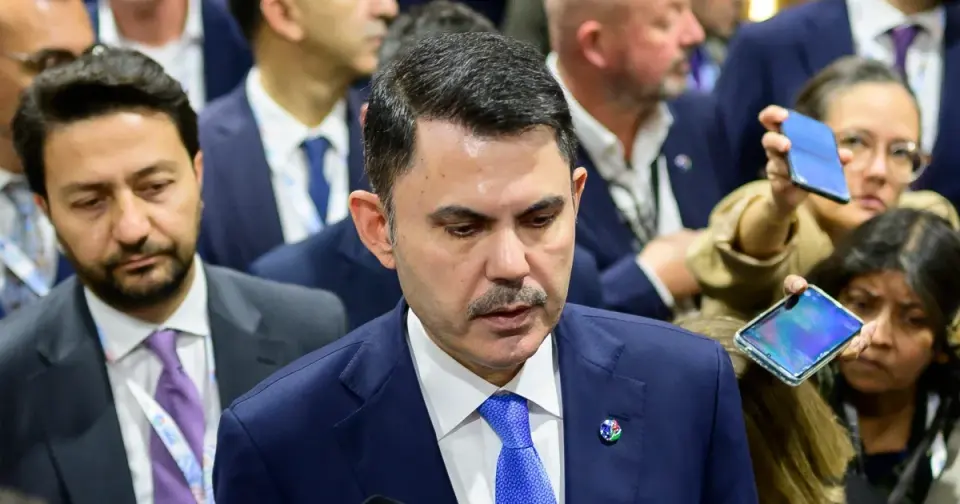
The 2026 UN climate summit in Antalya, Turkey, ended without a final agreement after delegates failed to reach consensus on a draft text that omitted references to fossil fuels. The breakdown occurred after the European Union and other nations rejected the proposal, marking the first failure to adopt a consensus deal since 2009.
Key points
- COP31 President Murat Kurum announced the end of the conference after a fourth draft was rejected, stating there was no consensus to proceed.
- The final draft removed all mentions of fossil fuels, a key demand of the EU and vulnerable nations, leading to accusations of 'greenwashing' from Irish minister Darragh O'Brien.
- Oil-producing nations, including Saudi Arabia, Russia, and India, opposed language requiring a transition away from fossil fuels, citing economic risks to their economies.
- The summit became the longest in history, surpassing previous records, as negotiations stretched into overtime without a resolution.
- UN Secretary-General Antonio Guterres expressed deep disappointment but emphasized that the scientific reality of climate change remains unchanged despite the political failure.
Background
This failure follows a series of earlier drafts that initially included fossil fuel language before it was stripped out. Previous coverage noted that the talks had already stalled over finance and carbon capture issues, with critics arguing the process prioritized technological solutions over emission reductions. The absence of the United States, which withdrew from international climate commitments under President Donald Trump, further complicated the geopolitical landscape.
How outlets are covering it
Outlets highlighted different aspects of the failure. NBC News and CNN focused on the 'unbridgeable red lines' and the geopolitical tensions that paralyzed negotiations. The New York Times emphasized the bitter clash between nations seeking to wind down fossil fuels and those aiming to prolong them. BBC reported on the diplomatic fallout, including Kurum's apology to Ghana and the UN official's assertion that 'real progress' was made in other areas despite the lack of a final deal. Climate groups, such as Power Shift Africa, called the event the 'worst ever,' while former Paris Agreement architect Christina Figueres argued that the absence of a deal was preferable to a weak agreement.
Why it matters
The collapse of COP31 signals a significant setback in global climate governance, leaving the world without a new overarching agreement to address rising temperatures. The failure to mention fossil fuels undermines previous commitments, such as the 2023 Dubai consensus to transition away from fossil fuels. This deadlock may delay climate action and financial support for vulnerable nations, exacerbating the impacts of extreme weather events and sea-level rise.
What to watch
Kurum indicated that Turkey could convene a follow-up meeting or delay decisions until next year's conference in Ethiopia. The UN Climate Change Executive Secretary Simon Stiell called for lessons to be learned and emphasized the need for consensus building. The next summit, COP32, is expected to be a critical test for the resilience of the UN climate process.
- COP31 climate talks break down after angry dispute over fossil fuels NBC News
- U.N. Climate Talks Collapse in a Bitter Clash Over Fossil Fuels The New York Times
- COP31 negotiations break down as countries fail to agree on climate deal The Washington Post
- Global climate summit collapses as countries fail to agree on moving away from fossil fuels CNN
- COP31 climate talks in Antalya, Turkey fail to agree deal after fossil fuels row - follow live BBC
Want the full story? Read the original reporting
Read on NBC News