
Islamabad Demolitions Displace 50,000 Near Bari Imam Shrine Amid Elite Development Push
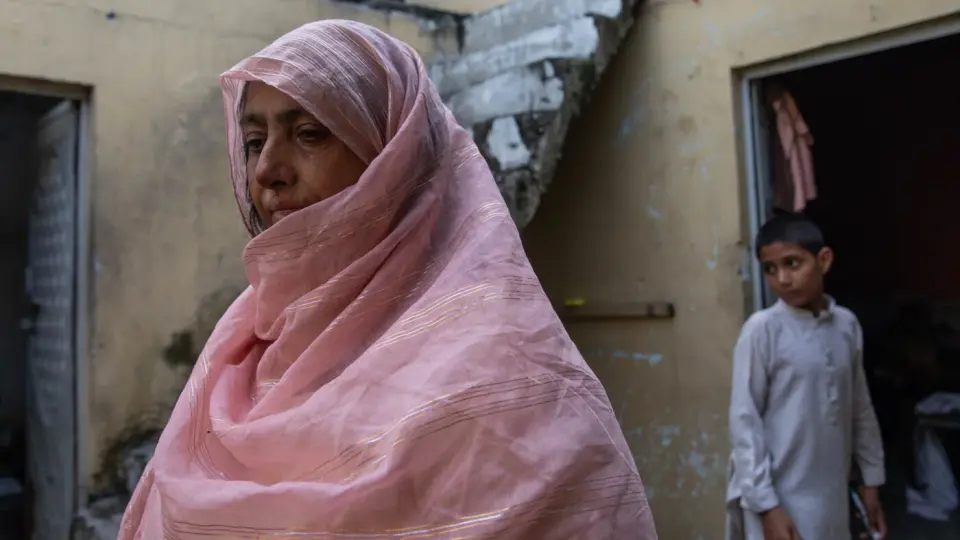
Between December 2025 and April 2026, authorities in Islamabad demolished hundreds of homes and shops in the Bari Imam neighborhood, displacing an estimated 50,000 people. The area, historically centered around a Sufi shrine, was targeted for redevelopment by Interior Minister Mohsen Naqvi, who envisioned a luxury district. Residents, many of whom were informal workers or displaced by previous crises, faced severe hardship, including a fatal confrontation with security forces. While authorities cited illegal construction and exhausted legal avenues, activists and lawyers argue the demolitions were driven by elite interests and failed to honor past compensation promises.
Key points
- Approximately 50,000 residents lost their homes in the Bari Imam area, representing about 10% of Islamabad's informal settlement population.
- Interior Minister Mohsen Naqvi, close to the army chief, publicly expressed interest in developing the land into a futuristic district resembling Shanghai and Manhattan.
- The Capital Development Authority (CDA) stated that most demolished homes were in the Muslim Colony informal settlement and that residents had exhausted legal options to remain.
- A 16-year-old boy, Azeem Ahmed, died after allegedly being pushed by police while trying to block a bulldozer from destroying his family's grocery store.
- Residents and lawyers claim that compensation for land seized in 1957 to build Islamabad's elite areas was never properly paid, and promised relocation never occurred.
- In contrast, wealthy residents of the unauthorized One Constitution Avenue high-rise were granted a reprieve after Prime Minister Shehbaz Sharif halted demolition orders following public outcry.
Background
This incident follows a pattern of urban displacement in Pakistan, where informal settlements are frequently targeted for redevelopment to accommodate elite interests. Previous crises, including floods and conflicts near the Afghan border, had already displaced many of the affected residents, who subsequently settled in these informal areas. The archive does not contain prior coverage of this specific demolition, but it reflects broader issues of housing rights and inequality in Pakistan's capital.
Why it matters
The demolition highlights the stark inequality in Islamabad, where informal settlements are razed for elite development while unauthorized luxury buildings receive reprieves. It underscores the vulnerability of low-income residents, who often lack legal protections and face severe hardship, including loss of livelihood and family, when displaced. The incident also raises questions about the role of powerful political figures in urban planning and the failure of the state to honor past compensation promises.
What to watch
Some neighborhoods remain standing but are marked with billboards declaring all structures illegal. Residents face continued uncertainty, with some relying on charity from the Bari Imam shrine's cafeteria. Legal challenges and protests may continue as families seek compensation or relocation, though authorities have dismissed these efforts as attempts to extract more money.
Want the full story? Read the original reporting
Read on NPR