
UN Leadership Race Narrows to Seven as Candidates Balance Reform Demands with Geopolitical Realities
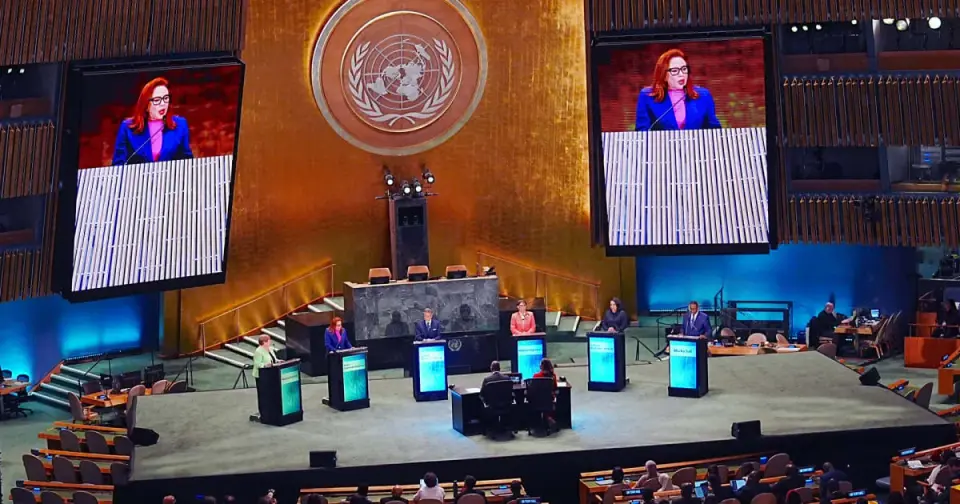
Seven candidates are vying to replace António Guterres as UN secretary-general, with the selection expected by December 2026. The race is defined by a push for the first female leader and a Latin American candidate, but is complicated by severe funding shortfalls, U.S. demands for structural reform, and the need to balance relations with rival powers like China and Russia.
Key points
- The field has narrowed to seven candidates after Michelle Bachelet withdrew on September 19, leaving four women and three men in the race.
- Rebeca Grynspan of Costa Rica currently leads informal Security Council straw polls, though no candidate has yet secured the required nine 'encourage' votes without a veto.
- The next secretary-general will take office on January 1, 2027, succeeding Guterres, and will face a UN facing a liquidity crisis and calls for significant downsizing.
- Candidates are under pressure to demonstrate efficiency and reform, with the U.S. demanding the organization 'get back to basics' while other permanent members like Russia criticize such rhetoric as exaggerated.
- Experts warn that the focus on bureaucratic cuts may distract from the UN's core mission of resolving global conflicts and addressing climate change.
Background
The current selection process follows the informal regional rotation tradition, which has not been honored since 2016 when António Guterres was chosen over Eastern European candidates. All nine previous secretaries-general have been men, leading to strong advocacy for a female successor. The race is unfolding against the backdrop of the UN's 80th anniversary and a series of internal crises, including the U.S. withholding approximately $4 billion in contributions and the creation of the U.S.-backed Board of Peace, which some view as a rival to UN peacemaking efforts.
How outlets are covering it
While the Council on Foreign Relations (CFR) and NBC News emphasize the historic potential for a female and Latin American leader, Politico highlights the intense pressure on candidates to appease the Trump administration, describing the search for a 'Goldilocks' candidate who can satisfy Washington without alienating Beijing or Moscow. PassBlue offers a critical view, with Open Society Foundations official Pedro Abramovay arguing that candidates have fallen into a 'reform trap' by prioritizing staff cuts over the UN's substantive role in conflict resolution. CFR notes that while Grynspan leads in polls, the process remains uncertain, with some experts suggesting the field could change or Guterres's term could be extended if no consensus is reached by year's end.
Why it matters
The next secretary-general will inherit an organization facing existential threats from funding cuts, institutional paralysis, and great-power competition. The choice will determine whether the UN can maintain its relevance as a global forum for diplomacy and development, or if it will be sidelined by more efficient, but potentially less inclusive, alternative mechanisms. The outcome also signals the future of multilateralism in a fragmented world.
What to watch
The selection process will continue through the UN General Assembly's high-level week in September 2026, with further straw polls and negotiations among Security Council members. A final recommendation is expected by December 2026, with the new leader taking office on January 1, 2027. If no consensus is reached, the UN may extend Guterres's term or allow new candidates to enter the race.
- Who Will Be the Next UN Secretary-General? Council on Foreign Relations
- Who will be the next U.N. secretary-general? NBC News
- Costa Rica's Grynspan narrowly leads informal UN chief poll, sources say Reuters
- The race to be the next UN secretary-general is on. And placating Trump is a priority. Politico
- Candidates to Lead the UN Are Falling Into a ‘Reform Trap,’ OSF Official Says PassBlue
Want the full story? Read the original reporting
Read on Council on Foreign Relations