
UN Succession Deadlock Sparks Late Bid by UAE Official Nusseibeh
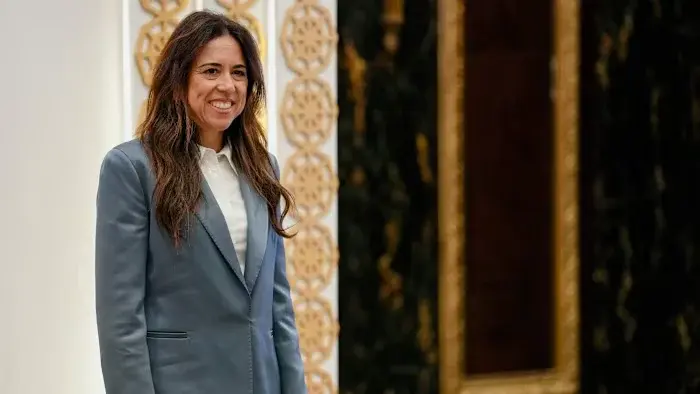
The race to replace UN Secretary-General António Guterres remains deadlocked, with no candidate securing full support from the five permanent Security Council members. This stalemate has prompted UAE minister Lana Nusseibeh to test the waters for a late entry, while frontrunner Rebeca Grynspan faces opposition from veto-wielding powers. The selection process is further complicated by US pressure for reform and regional rivalries in the Gulf.
Key points
- No candidate has secured unanimous support from the P5, with both Grynspan and Grossi receiving two 'disapprovals' in recent straw polls.
- UAE minister Lana Nusseibeh is emerging as a late contender, with supporters sounding out UN missions for backing.
- The US has downplayed regional rotation and gender criteria, insisting on the 'best candidate' regardless of origin.
- Grynspan’s candidacy is viewed as relatively Israel-friendly by some, but she faces criticism for UNCTAD’s stance on Palestinian economic issues.
- The UN faces a budgetary crisis and declining authority, with the US pushing for radical cuts and job reductions.
Background
António Guterres is set to step down at the end of 2026 after two terms. The UN has faced significant challenges, including the pandemic and ongoing wars, leading to a historically low ebb in its authority. Previous coverage has highlighted the complexity of the succession, with informal understandings about regional rotation often clashing with the veto power of the P5.
How outlets are covering it
The Financial Times emphasizes the geopolitical infighting and the potential for Nusseibeh to disrupt the race, noting the UAE’s close relationship with the US but also its controversial regional interventions. The Jerusalem Post focuses on Grynspan’s Jewish heritage and her perceived Israel-friendly stance, despite UNCTAD’s critical reports on Palestine. The Council on Foreign Relations highlights the need for institutional reform and the challenges of peacekeeping, with candidate Carolyn Rodrigues Birkett advocating for diplomacy and cooperation with nonstate actors. AP News confirms the lack of consensus among the P5, underscoring the difficulty of reaching a final decision.
Why it matters
The next UN Secretary-General will inherit an organization in turmoil, facing a budgetary crisis and declining global authority. The selection process reflects broader geopolitical tensions, including US demands for reform and regional rivalries in the Gulf. The outcome will shape the UN’s ability to address global challenges, from conflicts to development, in a fragmented world.
What to watch
The Security Council is expected to continue its deliberations, with potential late entries from candidates like Nusseibeh and others. The final vote may involve bargaining over concessions, as seen in previous succession races. The US and other P5 members will likely continue to push for a candidate with a strong reform agenda, while regional dynamics in the Gulf and Latin America will play a crucial role.
- UAE official emerges as late contender to lead UN Financial Times
- Rebeca Grynspan could become first Jewish UN chief - what's her Israel stance? The Jerusalem Post
- Grynspan holds lead for next UN chief as race enters decisive stage Reuters
- Latest vote shows no candidate for UN chief has the required support of all five key powers AP News
- How Carolyn Rodrigues Birkett Would Lead the United Nations: Three Interview Takeaways Council on Foreign Relations
Want the full story? Read the original reporting
Read on Financial Times