
Permafrost Thaw Turns Longyearbyen's Tap Water Undrinkable
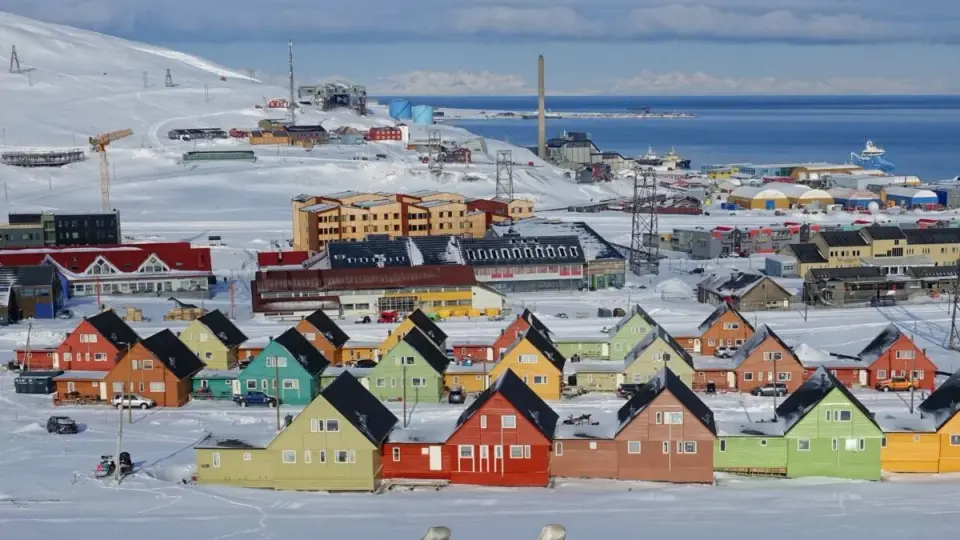
Longyearbyen, Norway, faces a drinking water crisis as rapid Arctic warming thaws permafrost, leaching toxic heavy metals into its sole water source. Residents are advised to avoid tap water while authorities investigate solutions.
Key points
- In September 2025, tests of Isdammen, Longyearbyen's only drinking water source, revealed dangerously high levels of manganese, sulfate, and nickel.
- Local authorities have advised the town's roughly 2,400 residents not to drink tap water, providing free purified water at a local supermarket instead.
- Scientists attribute the contamination to thawing permafrost exposing pyrite-rich bedrock, which reacts with water and oxygen to create acid that leaches metals.
- Svalbard is warming five to seven times faster than the global average, accelerating the loss of permafrost and glaciers across the archipelago.
- Researchers warn this crisis may be a preview of similar water quality issues in other Arctic regions like northern Canada and Alaska.
Background
Longyearbyen, the capital of Svalbard, has historically relied on coal mining and now tourism. The town is located just 800 miles from the North Pole and is considered one of the fastest-warming places on Earth. Previous climate impacts have included increased avalanche risks and structural damage to buildings due to thawing ground. This water crisis adds to existing infrastructure challenges, including a housing shortage caused by damaged foundations and the need to adapt to a changing energy system.
How outlets are covering it
Gizmodo and Circle of Blue emphasize the immediate health risks and the specific chemical mechanism involving pyrite oxidation. The Guardian provides a broader perspective, highlighting how the water crisis intersects with other climate impacts like landslides, housing shortages, and the need for new construction methods. While all sources agree on the cause, The Guardian notes the social shock to residents who previously took tap water for granted, whereas Gizmodo focuses on the potential for this scenario to replicate in other Arctic communities.
Why it matters
This event illustrates a direct, tangible consequence of climate change on basic infrastructure in the Arctic. It serves as a warning for other regions with similar geology, where warming temperatures could lead to widespread contamination of freshwater supplies. The crisis also highlights the economic and logistical challenges of adapting to a rapidly changing climate in remote, high-latitude communities.
What to watch
Local authorities are investigating long-term solutions, including potential desalination plants or dual water supply systems. SINTEF researchers are working to confirm the exact source of the contamination. The town is also re-evaluating construction methods to address permafrost thaw, with some considering innovative approaches like freezing the ground under buildings.
- This Town Was Already in Crisis. Then Rapid Arctic Melting Starting Making Its Tap Water Undrinkable Gizmodo
- This Norwegian village is one of the fastest-warming places on Earth. How can its people save it? The Guardian
- The Stream, October 20, 2026: In Norway’s Far North, Thawing Permafrost Contaminates a Town’s Drinking Water Supply Circle of Blue
- "Drink Tap Water Unknowingly, and You Could Be in Serious Trouble"... This Country's Drinking Water Supply in a 'Heavy Metal Emergency' Amid Climate Change 아시아경제
- Heavy metal contamination leaves water ‘undrinkable’ in Norwegian town The Chemical Engineer
Want the full story? Read the original reporting
Read on Gizmodo