
Australia Launches Largest Gun Buyback in Decades Following Bondi Beach Attack
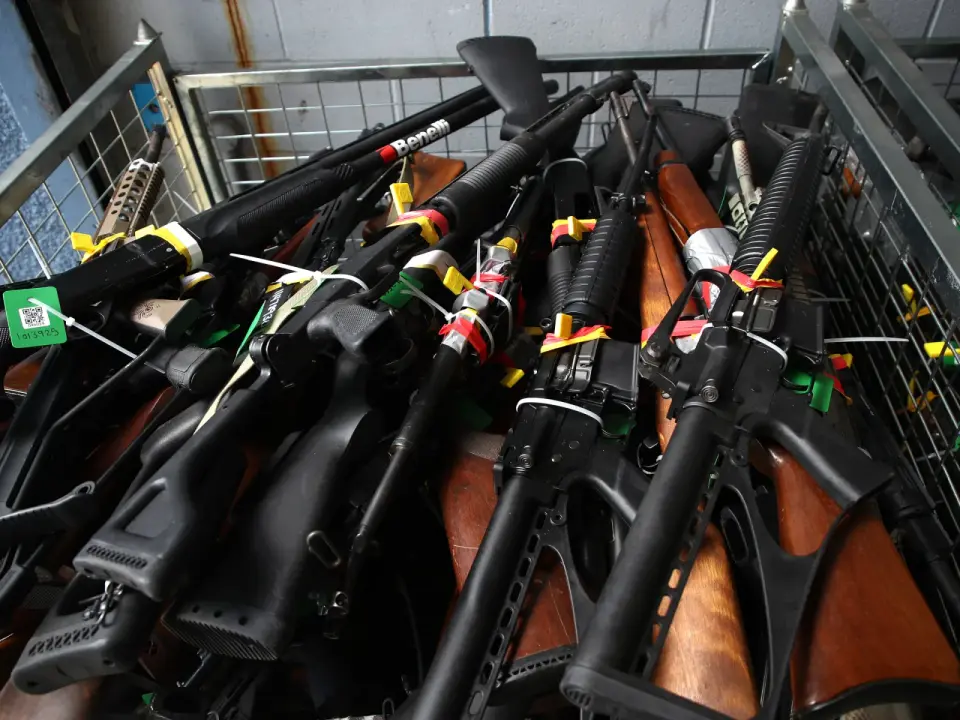
New South Wales will commence Australia’s largest gun buyback scheme in three decades on November 2, 2026. The initiative, jointly funded by federal and state governments, offers cash compensation for surrendering firearms that exceed new ownership limits or are reclassified. This move follows the December 2025 Bondi Beach shooting, which killed 15 people, and aims to reduce the national firearm count, which reached a record 4.1 million last year.
Key points
- The buyback begins on November 2, 2026, in New South Wales, with a second phase planned for early 2027.
- Compensation ranges from AUD 450 for air rifles to AUD 1,000 for revolvers and semi-automatic handguns.
- New laws limit individual firearm ownership to four guns, with exceptions for farmers and professional shooters who may hold up to 10.
- The scheme targets an estimated 274,000 registered firearms in New South Wales that are affected by the new restrictions.
- Federal and state governments are jointly funding the program, with the federal government covering 50% of administration costs and all destruction costs.
Background
The Bondi Beach attack occurred on December 14, 2025, during a Hanukkah celebration, resulting in 15 deaths, including a 10-year-old girl and a Holocaust survivor. The incident was part of a broader global surge in antisemitism, which J7 reported reached a 30-year high in 2025. Prior to this, Australia had implemented strict gun controls following the 1996 Port Arthur massacre, but current firearm ownership levels have exceeded those historical figures.
How outlets are covering it
While Prime Minister Anthony Albanese and New South Wales Premier Chris Minns emphasize the necessity of the buyback to prevent future attacks and ensure public safety, opposition figures raise concerns. NSW opposition leader Kelly Sloane argues that fixed payments do not reflect market value and questions the undisclosed total cost. Nationals leader Matt Canavan and One Nation leader Pauline Hanson criticize the reforms as unnecessary and argue that the attack was due to individual actors rather than gun availability. Additionally, several states, including Queensland and Victoria, have rejected participation in the national scheme, highlighting a lack of uniformity across Australia.
Why it matters
This buyback represents a significant shift in Australian gun policy, aiming to reduce the number of firearms in circulation following a high-profile terrorist attack. The success of this initiative could influence national gun control debates and set a precedent for future legislation. It also reflects the ongoing tension between gun rights advocates and those pushing for stricter regulations in response to mass shootings and hate crimes.
What to watch
The second phase of the buyback is expected to begin in early 2027, focusing on higher-value firearms. The federal government will continue to negotiate funding and implementation details with other states, while the Senate may debate a bill to repeal the federal firearms crackdown. Public response and the actual number of firearms surrendered will be critical indicators of the scheme’s effectiveness.
- Australia gun buyback spurred by Bondi attack to start in November, PM says Al Jazeera
- Australia gun buyback to start in November in clampdown after Bondi Beach shooting NBC News
- Australian state to begin gun buyback after Bondi Beach attack BBC
- NSW to begin Australia’s biggest gun buyback in decades in wake of Bondi terror attack The Guardian
- 50,000 owners face deadline to hand in guns News.com.au
Want the full story? Read the original reporting
Read on Al Jazeera