
Kenya Records Second Ebola Death Amid Cross-Border Surveillance Efforts
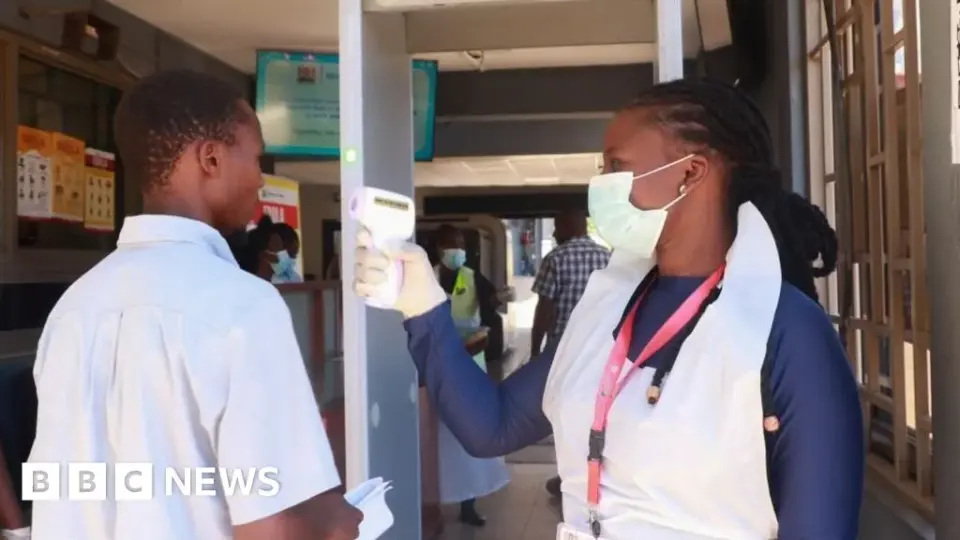
Kenya has confirmed its second death from Ebola, a 65-year-old woman who was a close relative of the initial victim. The health ministry reports seven active cases in isolation with no evidence of community spread, while Nigeria investigates a genetically linked case.
Key points
- A 65-year-old woman died in Kenya, marking the country's second Ebola fatality during its first-ever outbreak.
- The deceased was a close family member of the first victim, a man who traveled from the Democratic Republic of Congo (DRC) and died on October 5.
- Kenya currently has seven patients receiving treatment at two isolation facilities, all linked to a single cluster.
- The Kenyan health ministry stated there is no evidence of community spread, with all cases contained within one cluster.
- Nigeria’s health minister reported that its single confirmed Ebola case is genetically related to the strain found in Kenya.
- Kenya has implemented enhanced screening for travelers from the DRC and nine other high-risk countries, requiring digital surveillance forms and QR codes.
Background
This development follows Kenya’s confirmation of nine total cases in late October, all linked to a traveler from the DRC. Earlier reports highlighted concerns over cross-border transmission gaps and the lack of an approved vaccine for the Bundibugyo strain. The current outbreak, which began in the DRC in May, has caused over 4,000 deaths in that country and has now spread to four African nations, including Nigeria, which confirmed its first case in over a decade.
How outlets are covering it
BBC and Al Jazeera both confirm the second death and the status of seven active cases, emphasizing the containment within a single cluster. However, they differ in emphasis regarding regional impact. BBC highlights the US travel advisory and Kenya’s specific border screening measures, while Al Jazeera focuses on the broader continental spread, noting the outbreak is now the widest geographically on the continent. Al Jazeera also details Uganda’s ban on transit for travelers with DRC history, a point not emphasized in the BBC report. Both sources agree that the Bundibugyo strain lacks an approved vaccine, though Al Jazeera provides more detail on the DRC’s total death toll (over 4,600) compared to BBC’s figure (over 4,000).
Why it matters
The second death underscores the lethality of the Bundibugyo strain and the risks of cross-border transmission from the DRC. While Kenya contains the outbreak within a single cluster, the genetic link to Nigeria’s case suggests a potential wider regional network. The lack of an approved vaccine and the implementation of strict border controls highlight the ongoing challenges in managing rare but deadly viral outbreaks in East and West Africa.
What to watch
Health authorities in Kenya and Nigeria will continue testing contacts and monitoring the genetic link between their cases. Kenya will maintain enhanced screening at borders and airports, while neighboring countries like Uganda and Ethiopia will likely sustain heightened surveillance. The International Rescue Committee will continue to support containment efforts, and public health campaigns will focus on hygiene and early reporting of symptoms.
- Woman, 65, becomes second patient to die of Ebola in Kenya BBC
- Kenya announces second Ebola death, says ‘no evidence’ of community spread Al Jazeera
- Kenya confirms new Ebola case, total at nine, health ministry says Reuters
- Ebola: Kenya records second death as 65-year-old woman succumbs Daily Nation
- Nine Ebola Cases Have Kenya Holding Its Breath WSJ
Want the full story? Read the original reporting
Read on BBC