
Laura Sides’ Decision to Test for Hereditary Dementia Reshapes Her Life
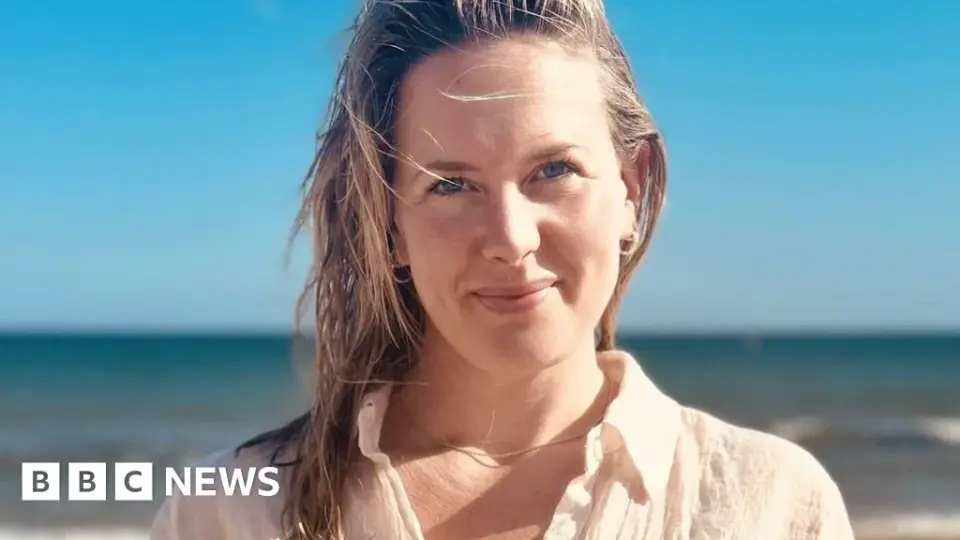
Laura Sides, now 43, underwent genetic testing in her 30s after her father died of the 'London variant' of early-onset Alzheimer's. The test confirmed she inherited the gene, with symptoms predicted to begin between ages 46 and 48. This knowledge has fundamentally altered her life choices, including her decision not to have children and her focus on immediate joys rather than long-term aspirations.
Key points
- Sides' father, a GP, was diagnosed with early-onset dementia in his 40s; Sides cared for him after dropping out of university at age 21.
- A doctor informed Sides she had a 50% chance of inheriting the condition, a fact she initially suppressed while caring for her father.
- After moving to Melbourne, Australia, Sides sought specialist advice in 2013, learning the test offered 99.999% certainty regarding her genetic status.
- Following six months of genetic counseling, Sides received the result confirming she carried the gene, with predicted symptom onset between ages 46 and 48.
- Sides has since participated in medical trials globally and runs a catering business, but has decided against having children, deeming it unfair to potential offspring.
- She describes her current life philosophy as focusing on immediate happiness, nature, and relationships, rather than long-term goals or new romantic partnerships.
Background
This story highlights the ongoing ethical and personal debates surrounding predictive genetic testing for hereditary conditions. While previous archive items covered unrelated topics like sports and entertainment, this narrative focuses on the profound psychological and practical impacts of knowing one's biological fate. It reflects broader discussions in medical ethics regarding the right to know versus the right not to know, particularly concerning incurable neurodegenerative diseases.
Why it matters
Sides’ experience illustrates the complex trade-offs of predictive genetic testing for fatal, incurable conditions. It raises critical questions about how such knowledge influences life planning, mental health, and social relationships. Her decision to forgo parenthood and focus on present-moment joys offers a concrete example of how genetic determinism can reshape individual autonomy and societal expectations regarding family and career.
What to watch
Sides is currently three years away from the predicted onset of symptoms. She continues to participate in medical trials and maintain her catering business. Her future will likely involve navigating the gradual onset of cognitive decline while managing the social and emotional challenges of disclosing her condition to new acquaintances.
Want the full story? Read the original reporting
Read on BBC