
New research reveals a giant Roman emperor statue once stood in southern Scotland
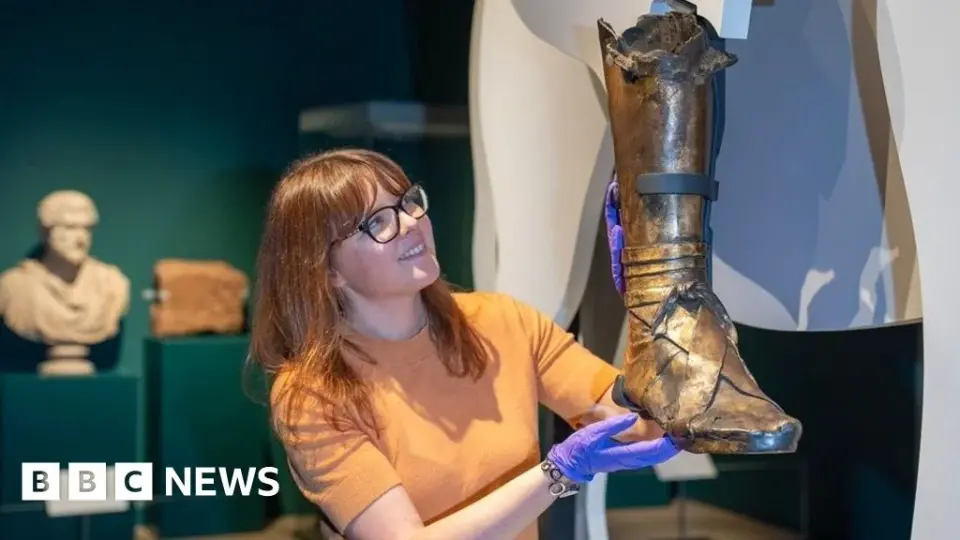
A bronze leg found in a Scottish bog in 1820 is now believed to be part of a giant statue of Emperor Antoninus Pius, erected in the Scottish Borders to celebrate his conquest of southern Scotland. This discovery, featured in a new exhibition at the National Museums Scotland, challenges previous assumptions that the artifact was looted from further south and suggests the Romans left a more significant cultural footprint in Scotland than previously thought.
Key points
- A bronze leg discovered in a bog near Hawick in 1820 is now identified as part of a large, gilded statue of Roman Emperor Antoninus Pius.
- The statue, likely erected around AD 140, was similar to equestrian statues of Marcus Aurelius in Rome and marked the Roman conquest of southern Scotland.
- Experts argue the leg was carefully removed by Romans during their withdrawal, not hacked off by locals, indicating a deliberate dismantling of a valued monument.
- The finding is the centerpiece of the 'Roman Scotland: Life on the Edge of Empire' exhibition at the National Museums Scotland, which opens on November 14.
- The exhibition also features other rare artifacts, including a reconstructed earthenware bowl and stone altars from the Inveresk Roman fort, highlighting Rome's cultural impact on Scotland.
Background
This discovery builds on earlier archaeological findings in Scotland, such as the 2026 discovery of a hidden Victorian painting of the Dryburgh Suspension Bridge, which highlighted the dual skills of 19th-century geologists. It also complements the 2026 discovery of two giant Ramesses II statues in Egypt, underscoring the global significance of ancient monumental art.
How outlets are covering it
BBC and The Guardian both emphasize the significance of the bronze leg in rewriting the history of Roman occupation in Scotland. The Telegraph and ScottishNews.com did not provide relevant content due to access issues. The Guardian adds details about the leg's history, noting it was hidden in a duke's storeroom for 100 years, and highlights the cultural impact of Roman artifacts on indigenous Celtic tribes.
Why it matters
This discovery reshapes our understanding of Roman influence in Scotland, suggesting a more profound cultural and political impact than previously recognized. It provides tangible evidence of Rome's efforts to assert control and celebrate victories in the region, offering insights into the interactions between Roman and indigenous cultures.
What to watch
The 'Roman Scotland: Life on the Edge of Empire' exhibition will run at the National Museums Scotland until April 18, 2026, showcasing the bronze leg and other artifacts that illustrate the Roman presence in Scotland. Further research may uncover more about the full statue and its historical context.
- Giant statue of Roman emperor once stood in southern Scotland BBC
- Bronze leg found in Scottish bog sheds new light on Roman occupation The Guardian
- This superb exhibition about Roman Scotland is how history should be told The Telegraph
- Huge Roman statue of Emperor Antoninus Pius may have stood in Scottish Borders The Herald
- Understand Scotland’s relationship with the Roman world in new Edinburgh exhibition ScottishNews.com
Want the full story? Read the original reporting
Read on BBC