
Hidden Love Letters Reveal Personal Tragedy Behind La Pérouse’s Lost Expedition
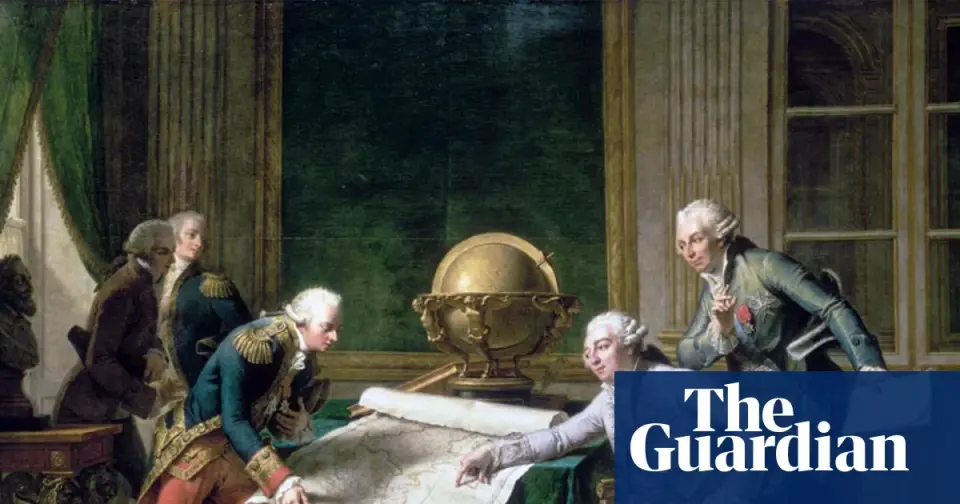
A set of intimate letters written by scientist Jean-André Mongez to a married noblewoman has been discovered hidden in a 19th-century book of engravings. The correspondence, which offers a rare personal perspective on the 1785 French naval expedition, suggests Mongez joined the perilous voyage partly to escape a failed relationship. The letters, which detail the crew’s suffering and the loss of Mongez’s friends, are set to be auctioned in Paris for between €30,000 and €50,000.
Key points
- The letters were found by auctioneer Benoît Derouineau inside an unremarkable book of engravings, described by expert Ludovic Miran as a 'miracle' discovery.
- Mongez wrote to Louise Victoire Le Cloustier, the daughter of a minor noble family, expressing regret for past behavior and a desire to become a better man.
- The correspondence provides a personal account of the 1785 expedition, which aimed to rival British explorer James Cook and establish trade routes in the Pacific.
- The ships La Boussole and L’Astrolabe disappeared after leaving Botany Bay in 1788, with their wrecks only formally identified in 2005 near Vanikoro.
- Louis XVI reportedly asked about the expedition's status shortly before his execution in January 1793, highlighting its political importance to the French crown.
Background
This discovery adds a new dimension to the history of the La Pérouse expedition, a major French scientific and naval endeavor from the late 18th century. While previous records focused on scientific data, these letters reveal the emotional and personal motivations of the crew. The expedition was launched during a period of intense rivalry between Britain and France over colonial expansion, with the French seeking to counter British advances in the Pacific, particularly after Captain Arthur Phillip’s arrival at Botany Bay just six days before La Pérouse.
Why it matters
The letters offer a unique, humanized view of a historically significant event, moving beyond scientific logs to explore the psychological toll of long-distance maritime exploration. They also provide insight into the personal lives of 18th-century scientists and the social constraints of the era, as the recipient, Le Cloustier, likely had to hide the correspondence from her husband. The discovery underscores the ongoing value of archival research in uncovering new narratives from well-documented historical periods.
What to watch
The letters are scheduled to be sold as a single lot at the Hôtel Drouot in Paris on November 17, 2026. The auction is expected to attract historians and collectors interested in the personal history of the La Pérouse expedition and the broader context of 18th-century French maritime exploration.
Want the full story? Read the original reporting
Read on The Guardian