
Liverpool Tunnel Volunteers Conclude Decades-Long Investigation of Joseph Williamson's Underground Network
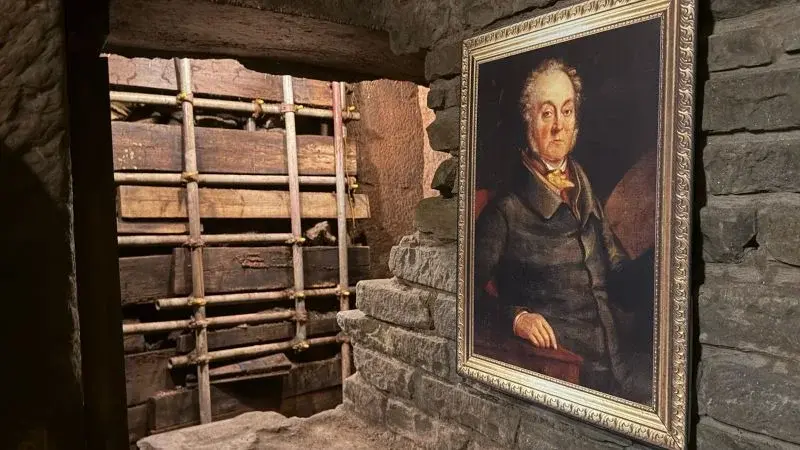
Volunteer excavators in Liverpool have concluded that the massive underground network beneath Edge Hill, built by tobacco merchant Joseph Williamson in the early 19th century, was primarily a philanthropic effort to provide employment for unemployed men during a period of economic hardship. The tunnels, which stretch approximately a square mile and lie 60 feet below the surface, were rediscovered in 1999 after being filled with rubble and forgotten for over a century. Previous theories suggesting the network was used for smuggling or by an apocalyptic cult have been dismissed. The excavation, led by groups including The Friends of Williamson Tunnels, has uncovered a multi-level labyrinth of sandstone chambers, including a 27-foot-high 'Banqueting Hall.' Williamson, who died in 1840, kept the project secret, leaving no written records. The current consensus is that the construction served to keep men busy and skilled, preventing them from turning to crime, a conclusion supported by local baptismal records showing families naming children after Williamson.
Key points
- The underground network beneath Edge Hill, Liverpool, spans approximately a square mile and lies at least 60 feet below the surface, making it one of the largest underground follies in the world.
- Joseph Williamson, a wealthy tobacco merchant, commissioned the construction of the tunnels in the early 19th century, spending 34 years quarrying sandstone and building houses above the network.
- The tunnels were filled with rubble and forgotten for over a century after Williamson's death in 1840, until they were rediscovered in 1999 during construction work for student housing.
- Volunteer groups, including The Friends of Williamson Tunnels and the Williamson Tunnels Heritage Centre, have spent decades excavating the site to determine its purpose.
- The prevailing theory is that the tunnels were built to provide employment and skill-building for unemployed men during a time of high unemployment and social unrest, rather than for smuggling or cult activities.
- The network includes a 27-foot-high 'Banqueting Hall' and various chambers containing artifacts from the 19th and 20th centuries, such as crockery and doll heads.
Background
The mystery of the Liverpool tunnels has been a subject of local interest for over a century, with early surveys conducted in 1926 following articles by historian Charles Hand. The Joseph Williamson Society was founded in 1989, leading to the establishment of two separate preservation groups. The current resolution of the mystery builds on decades of volunteer excavation and research, which has uncovered a vast network of chambers and artifacts. The conclusion that the tunnels served a philanthropic purpose aligns with the economic conditions of early 19th-century Liverpool, a booming maritime city where wealth was concentrated among the merchant class while casual laborers faced hardship. The discovery of the tunnels in 1999 marked a significant milestone in the investigation, allowing volunteers to begin the painstaking work of clearing out the rubble and mapping the network. The recent conclusion of the investigation provides a definitive answer to a question that has puzzled historians and locals for over 200 years.
Why it matters
The resolution of the Liverpool tunnel mystery provides insight into the social and economic conditions of early 19th-century Liverpool, highlighting the role of philanthropy in addressing unemployment and social unrest. The discovery of the tunnels and their purpose also sheds light on the secretive nature of Joseph Williamson, a wealthy tobacco merchant who kept his construction project hidden from the public. The ongoing volunteer excavation and preservation efforts demonstrate the importance of community engagement in uncovering and preserving local history. The tunnels serve as a unique tourist attraction, offering visitors a glimpse into the past and the ingenuity of the people who built them. The conclusion of the investigation also underscores the value of long-term, patient research in solving historical mysteries, as the volunteers have spent decades working to uncover the truth about the tunnels.
What to watch
The Friends of Williamson Tunnels and the Williamson Tunnels Heritage Centre will continue to offer tours of the site, with the former operating on Wednesdays and Sundays and the latter on Fridays, Saturdays, and Sundays. Volunteers will likely continue to excavate and preserve the tunnels, uncovering more artifacts and mapping the network. The conclusion of the investigation may lead to further research into the lives of the workers who built the tunnels and the social conditions of early 19th-century Liverpool. The site may also attract more visitors and funding, allowing for further preservation and interpretation of the tunnels. The resolution of the mystery may also inspire similar investigations of other underground networks and historical sites, highlighting the importance of community engagement in uncovering and preserving local history.
Want the full story? Read the original reporting
Read on CNN