
NYC's 1904 Subway Launch Marked a Historic Shift in Urban Transit
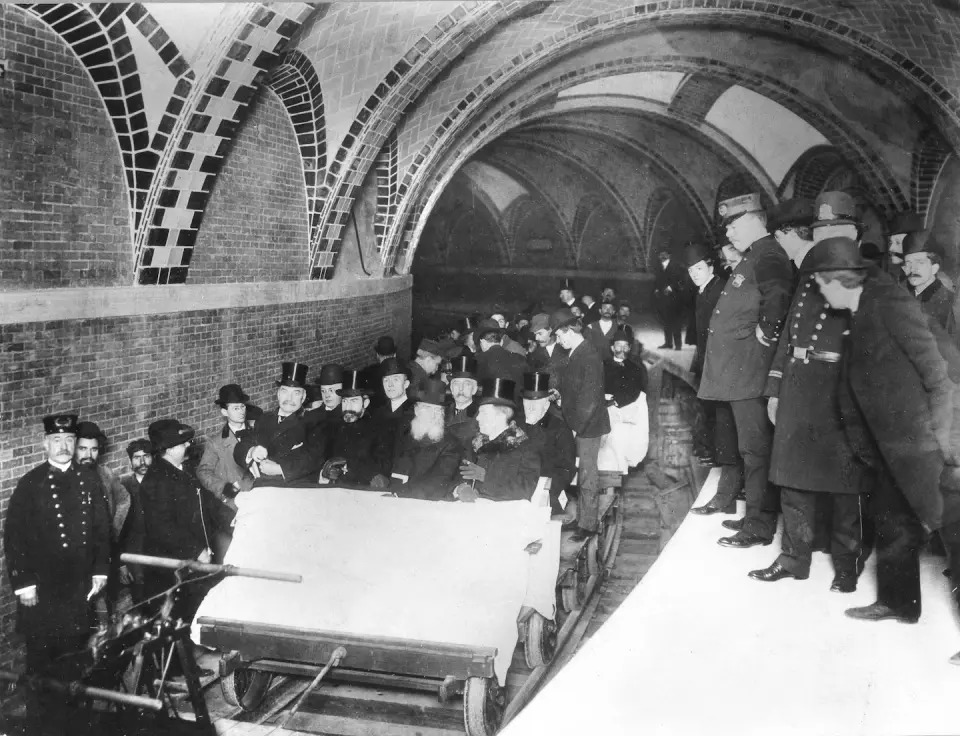
On October 27, 1904, New York City launched its first underground rapid transit system, known as the Interborough Rapid Transit (IRT). The 9.1-mile line connected City Hall to Broadway and 145th Street, featuring 28 stations. The inaugural ride cost five cents and carried over 100,000 passengers, marking a pivotal moment in urban infrastructure.
Key points
- The system was originally named the Interborough Rapid Transit (IRT), not the New York City Subway.
- The initial route spanned 9.1 miles with 28 stations, running from City Hall to Broadway and 145th Street.
- The fare for the first ride was five cents.
- Mayor William McClellan operated the first train, which included key figures like contractor John B. McDonald and engineer William Barclay Parsons.
- Over 100,000 passengers rode the system on its opening day.
Background
This historical milestone contrasts with recent safety incidents in the NYC subway system, such as the fatal dragging of a commuter in Brooklyn and the deaths of two Rutgers alumni at Spring Street station, highlighting the enduring importance and risks of the transit network.
How outlets are covering it
The Washington Post focuses on the original name and technical specifications of the IRT line. The New York Times emphasizes the ceremonial aspect, noting Mayor McClellan’s role and the public excitement, while the Chicago Tribune highlights the massive turnout of over 100,000 passengers and the five-cent fare.
Why it matters
The launch of the IRT transformed urban mobility in New York City, setting a precedent for mass transit systems worldwide and demonstrating the feasibility of underground rapid transit in dense urban environments.
What to watch
No immediate future developments are reported, as this is a historical retrospective. However, the legacy of the IRT continues to influence modern subway operations and infrastructure planning in New York.
- More than 120 years ago today, NYC opened its first underground train The Washington Post
- From the Front Page: New York City’s First Subway Opens on Oct. 27, 1904 The New York Times
- This day in history: Happy birthday, New York subways! AOL.com
- Today in History: New York’s first subway line opens Chicago Tribune
Want the full story? Read the original reporting
Read on The Washington Post