
Decades later, BBC revisits the ricin umbrella that killed Bulgarian dissident Georgi Markov
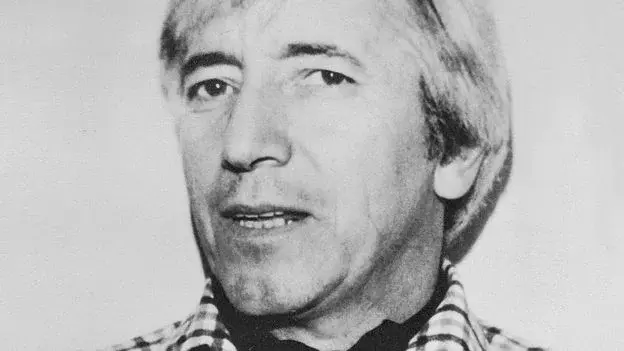
A 1978 assassination of Bulgarian dissident Georgi Markov in London using a ricin-tipped umbrella remains unsolved, with new BBC analysis confirming Soviet involvement and highlighting the sophistication of the weapon.
Key points
- Georgi Markov, a Bulgarian journalist and BBC World Service contributor, was stabbed with an umbrella on Waterloo Bridge in London on September 7, 1978, and died four days later.
- Forensic analysis revealed a platinum-iridium pellet containing ricin, a toxin never previously used for murder in Britain, which was found in Markov's thigh.
- A similar attack occurred 10 days earlier in Paris against Vladimir Kostov, who survived because the pellet contained insufficient poison; the identical pellet confirmed a coordinated state operation.
- Markov's widow and brother reported receiving anonymous warnings months before the murder, stating that the decision to kill him was made at the highest level of the Bulgarian government.
- Former KGB and Bulgarian secret service officials confirmed that the assassination was likely orchestrated by the KGB to intimidate dissidents abroad, though no one has ever been charged.
Background
This story revisits the 1978 murder of Georgi Markov, a prominent Bulgarian dissident who defected to the UK in 1969. Markov was known for his critical broadcasts on Radio Free Europe and the BBC World Service, which exposed corruption and nepotism within the Bulgarian government under Todor Zhivkov. The case remains one of the most notorious unsolved political assassinations of the Cold War era, with the UK inquiry still open despite Bulgaria closing its case in 2013 due to a lack of suspects.
Why it matters
The case illustrates the reach and ruthlessness of Soviet-era intelligence operations against dissidents abroad, demonstrating that physical distance and Western security systems did not guarantee safety. It also highlights the enduring mystery of Cold War-era state-sponsored violence, as the lack of prosecutions has left the victims' families without justice for over four decades.
What to watch
The UK inquiry into Markov's murder remains open, though no new suspects have been identified. The case continues to serve as a historical reference for understanding the methods and motivations of Cold War-era state terrorism.
Want the full story? Read the original reporting
Read on BBC