A new book reveals how a KGB officer's defection to Britain, driven by personal medical issues, provided critical intelligence that influenced US-Iran relations during the 1980s.
Georgi Markov, a Bulgarian dissident in London, was killed in 1978 after a ricin‑tipped pellet was fired from a modified umbrella at Waterloo Bridge; forensic analysis linked the pellet to a sophisticated, state‑level plot. Warnings to Markov’s family months earlier, plus a parallel attack on another Bulgarian exile and later admissions by former KGB officers, pointed to Bulgarian secret service involvement with possible KGB coordination. The murder, carried out on Todor Zhivkov’s birthday, underscored Cold War state‑sponsored assassination at the highest levels. Porton Down confirmed ricin as the toxin, and while Bulgaria closed the case in 2013, the UK still regards it as an open inquiry; no charges have ever been filed.
Vladimir Putin's peculiar one-arm walk during meetings may be a behavioral adaptation rooted in his KGB training to keep a weapon close and maintain readiness, a posture he is likely to display in his upcoming meeting with Donald Trump to project alertness and preparedness.
Russian President Vladimir Putin has called on the Federal Security Service (FSB) to assist Russian companies in circumventing Western sanctions and expanding into new markets, urging the use of AI and quantum physics achievements to counter the West's actions. Putin emphasized the need for FSB to support companies facing hostile actions from the West and to strengthen security in banking and financial systems. He portrayed the Ukraine war as part of a historical battle with the West and emphasized the need to counter Western influence using Russian advancements in technology and intelligence, while also vowing to punish traitors who attempt to undermine Russia's development.
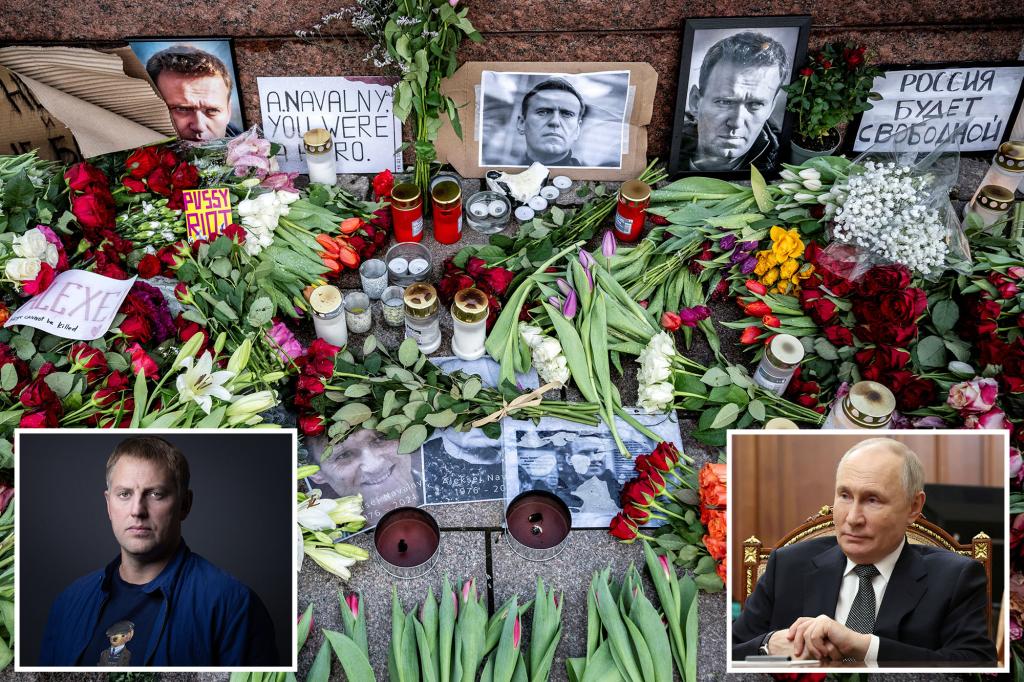
A human rights activist claims that Russian opposition leader Alexei Navalny may have been killed with a single punch to the heart, a tactic reminiscent of the KGB. The activist alleges that Navalny was weakened by exposure to subzero temperatures before the fatal blow. Navalny's official cause of death has not been released, and the Russian authorities have refused to hand over his body to his family, citing the need for a two-week "chemical examination." Navalny's widow has accused Putin's regime of poisoning her husband and then delaying the release of his body to cover up the murder, while the Kremlin denies any involvement in Navalny's death.
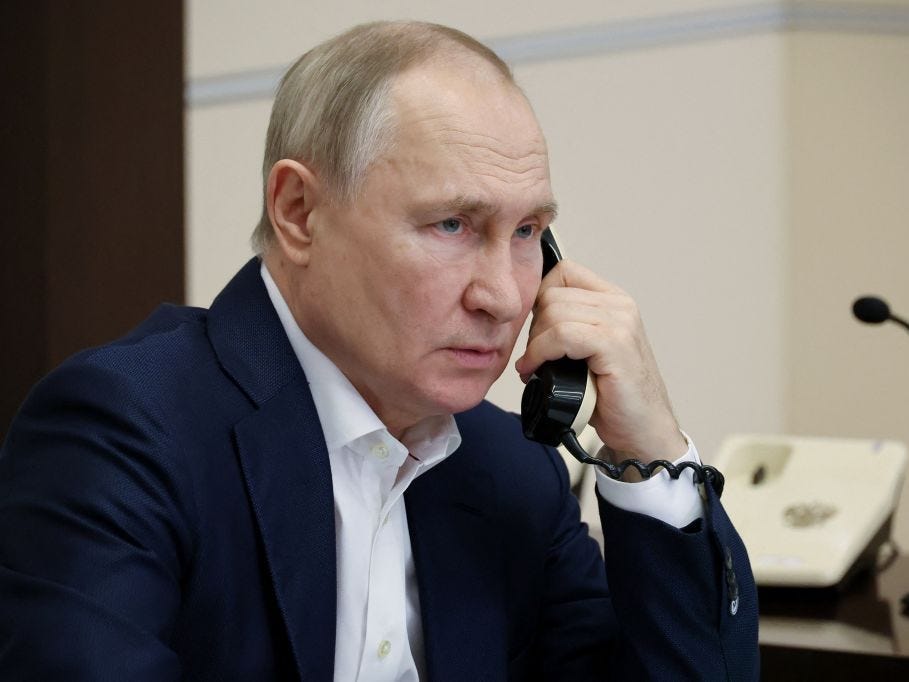
A new report by Der Spiegel suggests that Russian President Vladimir Putin was likely never the elite Soviet spy that the world has been led to believe. According to the report, the majority of Putin's work was actually limited to "banal" administrative tasks. Putin worked for the KGB, the Soviet Union's intelligence service, for nearly two decades. He moved to Dresden, in East Germany, in 1985. Just four years later, the Berlin Wall fell, marking the beginning of the end of the Cold War and taking a big step towards the reunification of Germany in 1990.
A new report by Der Spiegel suggests that Russian President Vladimir Putin was likely never the elite Soviet spy that the world has been led to believe. According to the report, the majority of Putin's work was actually limited to "banal" administrative tasks. Putin worked for the KGB, the Soviet Union's intelligence service, for nearly two decades. He moved to Dresden, in East Germany, in 1985. Just four years later, the Berlin Wall fell, marking the beginning of the end of the Cold War and taking a big step towards the reunification of Germany in 1990.
A new report from Der Spiegel suggests that Russian President Vladimir Putin was never the elite Soviet spy he was thought to be, but rather an "errand boy" who mainly performed administrative tasks such as reviewing travel applications. While many stories have painted him as a heroic figure, the majority of his work was "banal." Putin worked for the KGB for nearly two decades and officially retired with the rank of lieutenant colonel.
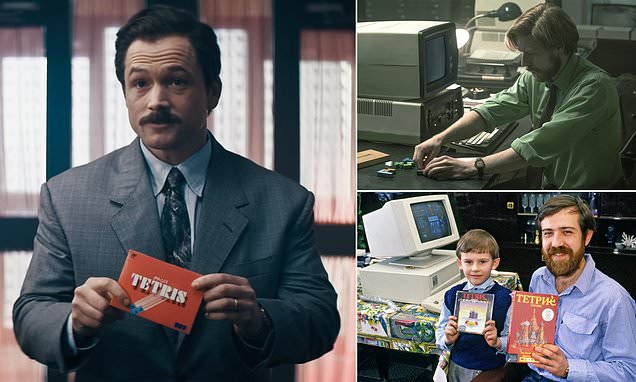
The story of Tetris, the best-selling video game of all time, is a Cold War thriller involving KGB agents, U.S. capitalists, and British media tycoon Robert Maxwell. The game was conceived in 1984 by a Soviet computer scientist and programmer, Alexey Pajitnov, and was fiercely fought over by the world's biggest video-game companies. A new film, Tetris, starring Taron Egerton, brings the complex saga to life, featuring car chases, violent assaults, KGB 'honeypot' traps, and an enraged Maxwell. The collapse of the Communist Eastern Bloc enabled Pajitnov to finally receive royalties for the game he had created.