
Why the Norse arrival in North America remains a footnote to Columbus
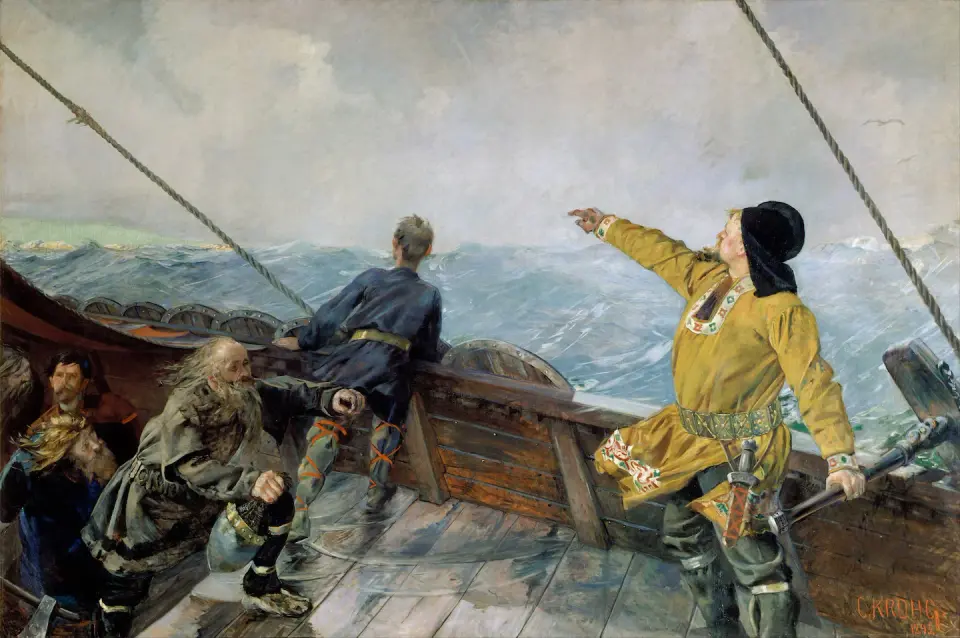
Norse explorers reached North America around 1000 CE, 500 years before Columbus, but their temporary settlements failed to establish permanent European presence. While Columbus’s 1492 voyage triggered lasting colonization and trade, the Vikings’ impact remained limited to archaeological traces and medieval sagas. Modern debates over Columbus Day highlight the contrast between fleeting exploration and enduring imperial consequence.
Key points
- Leif Erikson and other Norse sailors arrived in present-day Canada around 1000 CE, using Greenland as a staging post.
- Archaeological evidence at L'Anse aux Meadows in Newfoundland confirms Norse presence, with 2021 studies dating activity to AD 1021.
- The Norse settlements were temporary; they lacked the resources and political structures to maintain a permanent colony.
- Columbus’s 1492 voyage initiated sustained European colonization, trade, and conflict with Indigenous populations, unlike the Norse expeditions.
- The debate over Columbus Day versus Indigenous Peoples' Day reflects broader discussions on historical legacy and recognition.
Background
Recent archival coverage notes that new data suggests Indigenous populations in the Americas peaked centuries before 1492, challenging narratives of an 'empty' continent. This context underscores the complexity of pre-Columbian history and the significance of Norse arrivals in a region already inhabited by complex societies.
How outlets are covering it
The Washington Post and BBC emphasize the historical evidence of Norse exploration, citing sagas and archaeological findings at L'Anse aux Meadows. The Economic Times highlights the lack of permanent Norse settlement, attributing it to logistical challenges and conflicts with Indigenous peoples. Zeteo focuses on the political controversy surrounding Columbus Day, arguing that Columbus’s legacy is marred by the transatlantic slave trade and colonization, while acknowledging the Norse precedence. Outlets differ in emphasis: BBC and Economic Times focus on historical facts, while Zeteo centers on contemporary political debates.
Why it matters
Understanding the Norse arrival challenges the singular narrative of Columbus as the 'discoverer' of the Americas. It highlights the difference between exploration and colonization, and informs modern debates on historical recognition, such as the shift from Columbus Day to Indigenous Peoples' Day. The story also underscores the importance of archaeological evidence in reshaping historical understanding.
What to watch
Ongoing archaeological research may reveal more about Norse interactions with Indigenous peoples and the extent of their voyages. Political debates over Columbus Day are likely to continue, with potential shifts in federal and state recognition. Further studies on pre-Columbian populations may refine our understanding of the Americas before 1492.
- He reached the Americas centuries before Columbus. Why doesn’t he get more credit? The Washington Post
- 'They were people who took chances': The Vikings who reached the Americas 500 years before Columbus BBC
- 7 Reasons Not to Celebrate Christopher Columbus Today Zeteo | Substack
- The Vikings crossed the Atlantic centuries before Columbus. Why did their American adventure disappear fro The Economic Times
Want the full story? Read the original reporting
Read on The Washington Post