
Brazil’s Isolated Awa People Emerge from Amazon, Seeking Food Amid Encroachment
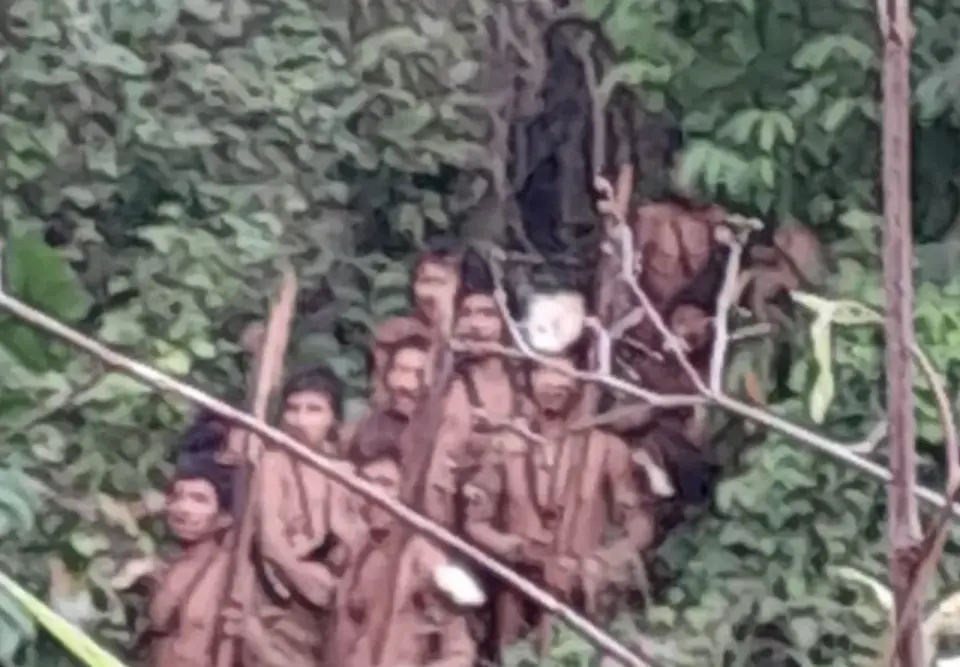
Approximately 20 members of the Awa, an Indigenous group living in voluntary isolation in Brazil’s Maranhão state, emerged from the Amazon rainforest on November 17, 2026, to seek food from a neighboring Guajajara community. Advocacy groups describe the event as a crisis caused by illegal logging and ranching that has shrunk their territory. Brazilian authorities are monitoring the group’s health, while NGOs warn that unplanned contact poses severe disease risks to isolated populations.
Key points
- The Awa, a Tupi-Guarani people in northwestern Maranhão, made contact with a government team and the Guajajara community near the village of Tawari in the Arariboia Indigenous Territory.
- Survival International released footage of the encounter, showing the group requesting yams; some members, particularly children and the elderly, appeared emaciated.
- Brazil’s Indigenous affairs agency, Funai, confirmed it is reviewing the videos and monitoring the group’s health, adhering to a policy of non-contact.
- Advocates state that illegal loggers, hunters, and ranchers have driven the Awa into a shrinking area of forest, forcing them to seek external resources.
- The Forest Guardians, a Guajajara-led group, warned that climate change and land encroachment are destroying the Awa’s way of life, with many defenders having died protecting the territory.
Background
This incident follows a broader pattern of threats to uncontacted Indigenous groups in the Amazon, as highlighted in recent UN briefings and Pope Leo XIV’s recent condemnation of environmental defenders in the region. Previous coverage noted that isolated groups face increasing pressure from organized crime and illegal resource extraction, with some communities using satellite technology to document incursions. The current event underscores the escalating crisis for voluntary isolation groups in Brazil, where protection measures are viewed by some as insufficient against encroachment.
How outlets are covering it
Al Jazeera and The Guardian emphasize the humanitarian crisis and the physical deterioration of the Awa, citing emaciation and the risk of disease exposure. The Guardian notes that the Awa are typically self-sufficient but are now forced into contact due to external pressures. South China Morning Post focuses on the immediate event, describing the group as thin and hungry. All sources agree on the cause: illegal encroachment. However, Funai’s perspective, reported by Al Jazeera and The Guardian, stresses that the state is not seeking contact and is monitoring the situation, contrasting with the NGOs’ view that the government’s protection measures have failed. The Forest Guardians, cited by The Guardian, highlight the lethal consequences of defending the territory, adding a dimension of violence not emphasized in the other reports.
Why it matters
The emergence of the Awa signals a critical failure in protecting voluntary isolation groups in the Amazon. Unplanned contact exposes these populations to diseases against which they have no immunity, as seen in historical cases in Colombia. The event highlights the direct link between illegal resource extraction and the survival of Indigenous peoples, raising urgent questions about the effectiveness of current Brazilian policies and the need for stronger enforcement against encroachment.
What to watch
Funai is expected to continue monitoring the Awa’s health and the situation in the Arariboia Indigenous Territory. Advocacy groups like Survival International and the Forest Guardians will likely use this incident to campaign for stronger protections against illegal loggers and ranchers. The Brazilian government may face increased pressure to enforce its non-contact policy and protect the remaining forest areas inhabited by uncontacted groups.
Want the full story? Read the original reporting
Read on Al Jazeera