
UNGA 2026: Zelensky demands revenue sanctions, Iran defies US threats, and Milei attacks UN legitimacy
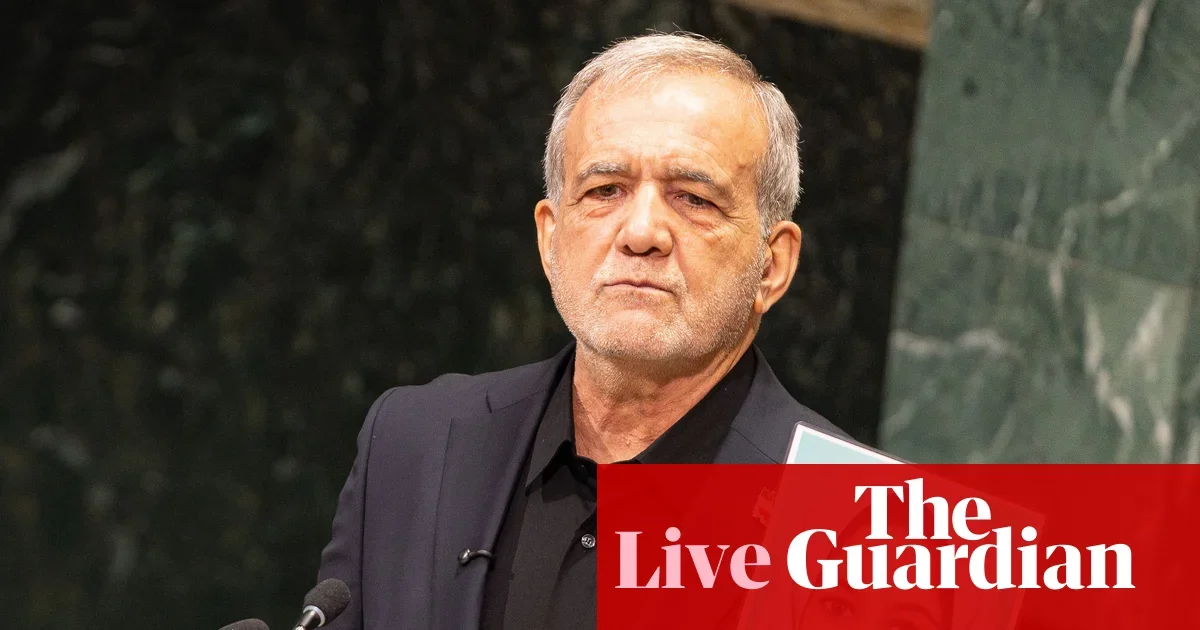
On September 23, 2026, the UN General Assembly featured sharp diplomatic clashes. Ukrainian President Zelensky urged nations to choke Russian war revenues and warned of retaliatory strikes on Russian energy infrastructure. Iranian President Pezeshkian, speaking during an active conflict, condemned US and Israeli actions as terrorism, displayed images of schoolchildren killed in the war, and warned against expanding warfare. Argentine President Milei denounced the UN as a 'useless organization' of 'arrogant parasites,' while the US invited Russian President Putin to the December G20 summit in Miami. Syrian interim leader Ahmad al-Sharaa accused Israel of over 500 strikes on Syria, and Cypriot President Christodoulides criticized Turkey for violating UN charters regarding the occupied north.
Key points
- Zelensky stated that 'Russia’s revenues must remain a target' and warned that continued attacks on Ukraine’s energy grid would force Kyiv to make winter 'painful for Russia too.'
- Pezeshkian declared Iran’s people 'victims of terrorism' by the US and Israel, displaying images of the late supreme leader Ali Khamenei and over 150 schoolchildren killed in the conflict's opening days.
- US Secretary of State Marco Rubio confirmed an invitation for Putin to attend the G20 in Miami in December, noting that both Russia and Ukraine expressed interest in a limited ceasefire regarding grain and energy.
- Milei labeled the UN a 'bureaucratic leviathan' and 'useless organization,' criticizing its failure to address the Falklands dispute and human rights issues in Africa.
- Ahmad al-Sharaa reported that Israel has conducted over 500 air and artillery strikes and 1,200 land incursions in Syria since he took power, while Israel’s ambassador reaffirmed claims to the Golan Heights.
Background
This session follows a period of escalating tensions, including a UN fact-finding mission in September 2026 that suggested possible US war crimes in the Iran conflict, specifically regarding a strike on a school in Minab. The current UNGA debate occurs amid ongoing diplomatic efforts, including meetings between US envoys and Iranian delegates, despite a US naval blockade of the Strait of Hormuz. Previous archive coverage highlights the complexity of the Iran-US conflict, with Iran accusing the US of bombing a wedding in Kuwait and the US denying responsibility for certain strikes, while both nations engage in high-level diplomatic talks alongside military confrontations.
How outlets are covering it
The Guardian and France 24 provide detailed live coverage of the speeches, emphasizing the emotional and political intensity of Pezeshkian’s and Zelensky’s addresses. The Guardian notes the US delegation walked out during Pezeshkian’s speech, highlighting the immediate diplomatic friction. France 24 focuses heavily on Zelensky’s call for economic sanctions against Russia and his warnings about AI in warfare. The Telegraph source was inaccessible due to a security block, so no additional perspective could be synthesized from it. All available sources agree on the core events but differ in emphasis: The Guardian highlights the broad spectrum of UN debates including Milei and the G20 invitation, while France 24 centers the Ukraine-Russia dynamic and Zelensky’s specific demands for revenue sanctions and drone deals with Finland.
Why it matters
The 2026 UNGA session reveals a deepening fragmentation in global governance. The simultaneous confrontation between the US and Iran, the ongoing war in Ukraine, and the aggressive rhetoric from leaders like Milei and al-Sharaa indicate a shift away from multilateral consensus toward unilateralism and bloc politics. The US invitation to Putin for the G20, despite the ongoing war, suggests a pragmatic attempt to manage the Ukraine conflict through economic and energy ceasefires, while Zelensky’s push for revenue sanctions signals a new phase of economic warfare. These developments underscore the fragility of the current international order and the rising risk of broader conflicts in the Middle East and Europe.
What to watch
The US is expected to play a 'constructive role' in facilitating a limited ceasefire on grain and energy between Russia and Ukraine, as stated by Rubio. Zelensky has signaled that Ukraine will retaliate against Russian energy infrastructure if attacks on Ukrainian grids continue, potentially leading to a more severe winter for both nations. Diplomatic talks between the US and Iran, including meetings with envoy Steve Witkoff, will continue, though the US naval blockade of the Strait of Hormuz remains in effect. Milei has signaled that Argentina will 'take matters into its own hands' regarding the Falklands dispute, potentially escalating tensions with the UK. The G20 summit in Miami in December will be a key test of whether the US-Russia invitation leads to substantive dialogue or further diplomatic isolation.
- Argentina’s Milei slams ‘useless’ UN at its summit, saying it ‘looked the other way’ over Falkland Islands - live theguardian.com
- Argentina’s Falklands veterans turn on Milei The Telegraph
- Live: Argentina’s Milei calls UN a ‘useless organisation’ in General Assembly speech France 24
- Argentina's Milei addresses UN as tensions rise over Falkland Islands Reuters
- Milei renews Argentina’s Falklands claim at the UN, urging a “peaceful solution” WPRI.com
Want the full story? Read the original reporting
Read on theguardian.com