
Dutch Court Imposes Life Sentence on Eugene N for 1994 Rwanda Genocide Massacre
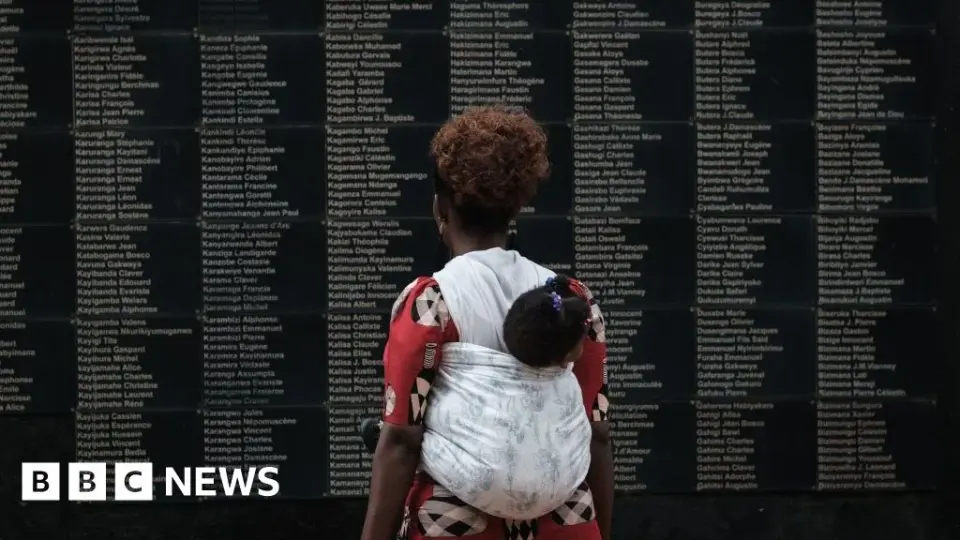
A Dutch court has sentenced Eugene N, a 66-year-old Dutch-Rwandan national, to life in prison for his role in the 1994 genocide in Rwanda. The Hague district court convicted him of war crimes and genocide, citing 'genocidal intent' for his actions in a stadium massacre in Mbazi. The verdict follows a 2020 investigation and 2024 arrest, as Dutch law prevented his extradition to Rwanda in 2014. This case highlights the use of universal jurisdiction to prosecute lower-level perpetrators decades after the conflict.
Key points
- Eugene N was sentenced to life in prison by a Dutch court for his involvement in the 1994 Rwandan genocide.
- The court found him guilty of war crimes and genocide, specifically for throwing a grenade into a crowd of Tutsis sheltering in a stadium in Mbazi.
- The judge noted N held an authoritative local position, overseeing approximately 1,000 people, and acted with 'genocidal intent'.
- Rwanda sought N's extradition in 2014, but Dutch authorities launched their own investigation in 2020 after extradition was blocked by national law.
- N was arrested in 2024 after prosecutors questioned more than 30 witnesses; he denied involvement, claiming he tried to stop the violence.
- The 1994 genocide resulted in the deaths of an estimated 800,000 people, primarily ethnic Tutsis, within 100 days.
Background
This ruling is part of a broader trend of European courts using universal jurisdiction to prosecute individuals for atrocities committed elsewhere, following the UN tribunal's focus on top leaders. While our archive covers unrelated life sentences in the US and a Dutch architectural project, this case stands out for its focus on historical accountability for the 1994 Rwandan genocide, where Dutch courts have previously convicted or extradited other suspects.
How outlets are covering it
BBC and AP News emphasize the legal conviction and the specific acts of violence, such as the grenade throw, while Al Jazeera provides additional detail on the scale of the stadium massacre (3,000 victims) and the defense's claim that N was a 'broken man' who lost relatives. All sources agree on the life sentence and the 1994 timeframe, but Al Jazeera highlights the procedural hurdles of extradition and the 2020-2024 investigation timeline more explicitly than the others.
Why it matters
This verdict underscores the long-term reach of international justice and the effectiveness of universal jurisdiction in holding lower-level perpetrators accountable decades after mass atrocities. It demonstrates that national legal systems can bridge gaps left by international tribunals, ensuring that individuals who fled to Western countries cannot escape prosecution for genocide and war crimes.
What to watch
Legal experts will likely monitor any appeals from the defense, while the case may set precedents for future prosecutions of genocide suspects in European courts. The ruling may also influence how other nations handle extradition requests for historical war crimes, potentially encouraging more domestic investigations rather than reliance on foreign transfers.
- Dutch court sentences man to life over Rwanda genocide BBC
- A Dutch court convicts a Rwandan man over his home country's 1994 genocide, sentences him to life AP News
- Dutch court hands life sentence to Rwandan man for genocide role Al Jazeera
- Rwanda genocide: Dutch court sentences man to life in prison DW.com
- Netherlands Rwanda Genocide The Herald Journal
Want the full story? Read the original reporting
Read on BBC