
ICC Convicts Seleka Commander of 2013 Central African Republic Torture Crimes
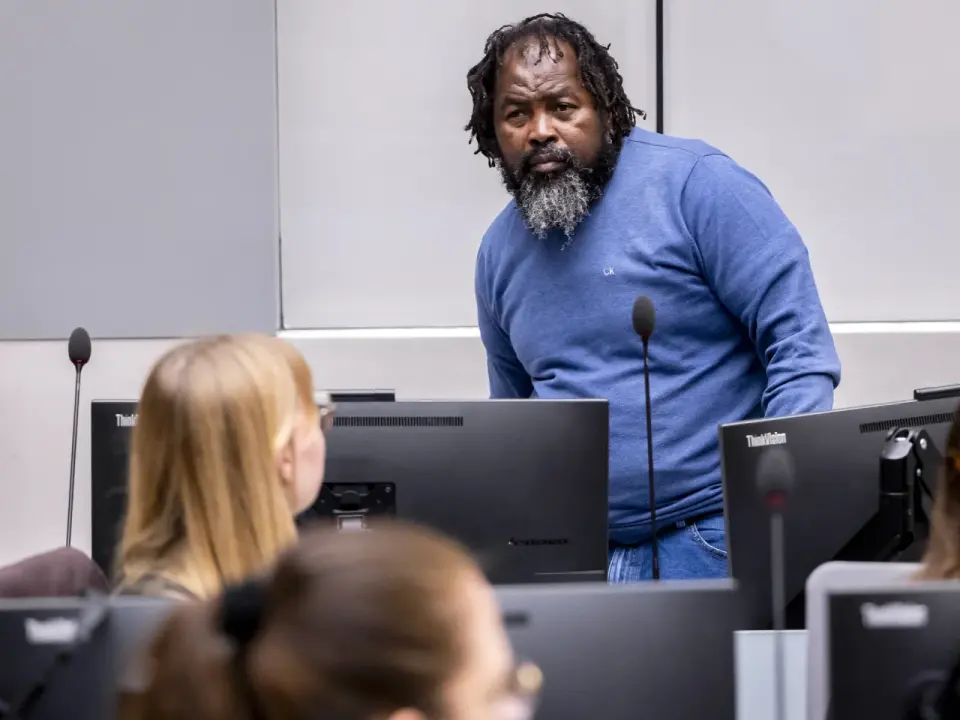
The International Criminal Court (ICC) has convicted Mahamat Said Abdel Kani, a former Seleka militia commander, of crimes against humanity for his role in operating a detention facility in Bangui during the 2013 Central African Republic civil war. Judges ruled that he oversaw systematic torture, including waterboarding and a binding method known as 'Arbatacher', against supporters of former President Francois Bozize. While convicted on these charges, Abdel Kani was acquitted of three war crimes counts because the armed conflict had technically ended when those specific acts occurred. A separate hearing will determine his sentence. This marks the first conviction of a Seleka member by the ICC, following previous convictions of anti-Balaka leaders.
Key points
- Mahamat Said Abdel Kani, 56, was found guilty of crimes against humanity by the ICC in The Hague.
- The conviction relates to his command of the Central Office for the Repression of Banditry in Bangui in 2013.
- Detainees, primarily supporters of ousted President Francois Bozize, were subjected to whipping, waterboarding, and 'Arbatacher' binding.
- Prisoners were held in underground cells lacking basic sanitation, with floors covered in waste.
- Abdel Kani was acquitted of three war crimes charges as the judges determined the armed conflict had ceased at the time of those alleged acts.
- He is the first member of the Seleka coalition to be convicted by the ICC, which previously convicted two anti-Balaka leaders.
Background
The Central African Republic experienced a severe civil war starting in 2013 when the Seleka coalition ousted President Francois Bozize. This conflict led to the arming of anti-Balaka militias, resulting in widespread violence until French troops secured the country under a UN mandate in 2014. The ICC has investigated violence in the region since 2014, previously convicting anti-Balaka leaders Patrice-Edouard Ngaissona and Alfred Yekatom. The country has maintained relative stability since a 2019 peace agreement.
Why it matters
This verdict establishes a precedent for holding Seleka coalition leaders accountable for atrocities committed during the 2013 conflict, balancing the justice system's focus previously on anti-Balaka groups. It highlights the ICC's ongoing role in addressing impunity for crimes against humanity in the Central African Republic, despite the country's current relative stability.
What to watch
A separate hearing will be held to determine the specific prison sentence for Mahamat Said Abdel Kani. The ICC will continue its investigations into other violence in the Central African Republic, potentially targeting additional figures from the 2013 conflict.
Want the full story? Read the original reporting
Read on Al Jazeera