
ICJ Rules Myanmar Committed Genocide Against Rohingya in Historic First
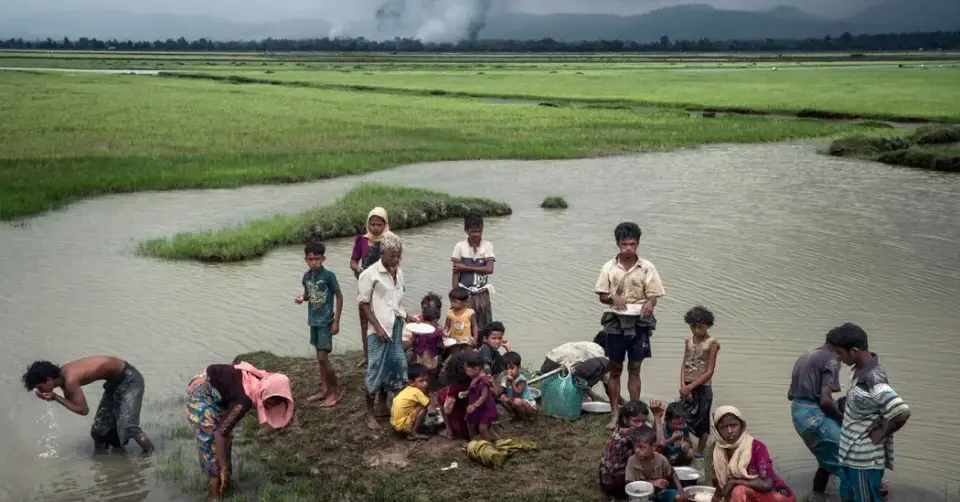
The International Court of Justice (ICJ) issued a landmark ruling on November 19, 2026, finding that Myanmar committed genocide against the Rohingya minority during its 2016-2017 military operations. This is the first time the court has held a state responsible for genocide under the 1948 Genocide Convention. The 9-6 decision, brought by The Gambia, orders Myanmar to provide reparations, including the safe return of displaced people and restoration of citizenship. While the ruling sets a significant legal precedent for other pending cases, such as those involving Israel and Russia, enforcement remains challenging due to the ICJ’s lack of direct coercive power.
Key points
- The ICJ ruled that Myanmar’s security forces acted with genocidal intent, killing at least 10,000 Rohingya and displacing over 700,000 people during 2016-2017 campaigns in Rakhine state.
- The court rejected Myanmar’s defense that the operations were legitimate counterinsurgency measures, finding instead that widespread sexual violence, killings, and forced displacement constituted state-sponsored genocide.
- The Gambia, which filed the case in 2019, is the first state without a direct territorial connection to the alleged crimes to bring a genocide case under the 1948 Genocide Convention.
- The ruling orders Myanmar to investigate and prosecute those responsible, facilitate the voluntary return of Rohingya, and restore their citizenship and property rights.
- The decision has immediate implications for other pending ICJ cases, particularly South Africa’s genocide claim against Israel regarding the war in Gaza and Ukraine’s case against Russia.
Background
The case was initiated by The Gambia in November 2019, following a 2018 visit by Gambian Justice Minister Abubacarr Tambadou to Rohingya refugee camps in Bangladesh. The Gambia, supported by 57 Organisation of Islamic Cooperation member states, argued that Myanmar breached its obligations under the 1948 Genocide Convention. The court had previously issued provisional measures in January 2020 and rejected Myanmar’s jurisdictional objections in 2022. The ruling follows a long history of international scrutiny regarding the treatment of the Rohingya, a Muslim minority in Myanmar who have faced decades of statelessness and persecution. The ICJ’s 2007 ruling on the Srebrenica massacre had found that Serbia violated the obligation to prevent genocide, but this 2026 decision is the first to find a state directly responsible for committing the act.
How outlets are covering it
The New York Times emphasizes the ruling’s unprecedented nature in international law, highlighting its potential to lower the legal threshold for proving genocidal intent in other cases. AP News focuses on the procedural details, noting the 9-6 vote and the court’s rejection of Myanmar’s counterinsurgency defense, while also highlighting the practical challenges of enforcement. The Guardian raises concerns about potential US sanctions against ICJ judges, particularly Nobel laureate Navi Pillay, who served as an ad hoc judge for The Gambia, warning that Washington may view the ruling as a precedent that could be used against US or allied troops. Al Jazeera, through an opinion piece by Gambian lawmakers, frames the ruling as a moral victory for The Gambia and a call for global action, stressing the need for domestic legal reforms to criminalize genocide and ensure compliance. Myanmar and China have rejected the verdict, while the EU and UN have demanded immediate compliance, as reported in our archive.
Why it matters
This ruling establishes a critical precedent in international law by holding a state directly responsible for genocide, a category previously applied only to individuals or as a failure to prevent. It may influence the outcome of other pending cases, including those involving Israel and Russia, by clarifying how intent to destroy a group can be proven. The decision also underscores the limitations of international justice, as the ICJ lacks enforcement mechanisms beyond reporting noncompliance to the UN Security Council. For the Rohingya, the ruling offers a legal basis for reparations and return, but its implementation depends on political will and international pressure. The case also highlights the role of smaller states in holding larger powers accountable, as The Gambia’s initiative led to a historic judgment that resonates globally.
What to watch
Myanmar is now under a legal obligation to comply with the ICJ’s ruling, including investigating and prosecuting those responsible for the genocide, facilitating the safe and voluntary return of displaced Rohingya, and restoring their citizenship and property rights. The Gambia has requested reparations, including full citizenship and the right to return home for the Rohingya. The ICJ may report noncompliance to the UN Security Council, but enforcement remains uncertain. The ruling may influence the ongoing genocide cases against Israel and Russia, potentially lowering the legal threshold for proving genocidal intent. The US has warned of potential sanctions against ICJ judges, including Navi Pillay, if the ruling is perceived as lowering the standard for genocide. The Gambia and other states will continue to press for compliance at the UN and within the Organisation of Islamic Cooperation. The 1.2 million Rohingya refugees in Bangladesh will remain in precarious conditions until the ruling is implemented, with concerns about fire hazards, infectious diseases, and inadequate sanitation in Cox’s Bazar camps.
- A Landmark Genocide Ruling The New York Times
- For the first time, UN’s highest court finds a country responsible for genocide: Myanmar AP News
- Fears grow that US will put Nobel-winning judge under sanctions after Myanmar genocide ruling The Guardian
- The Gambia stood up for the Rohingya, now the world must act Al Jazeera
- ‘You will not be alone’: General Assembly President tells Rohingya refugees after genocide ruling UN News
Want the full story? Read the original reporting
Read on The New York Times