
IDF warns Netanyahu that Iran strike risks regional war as Trump weighs diplomacy
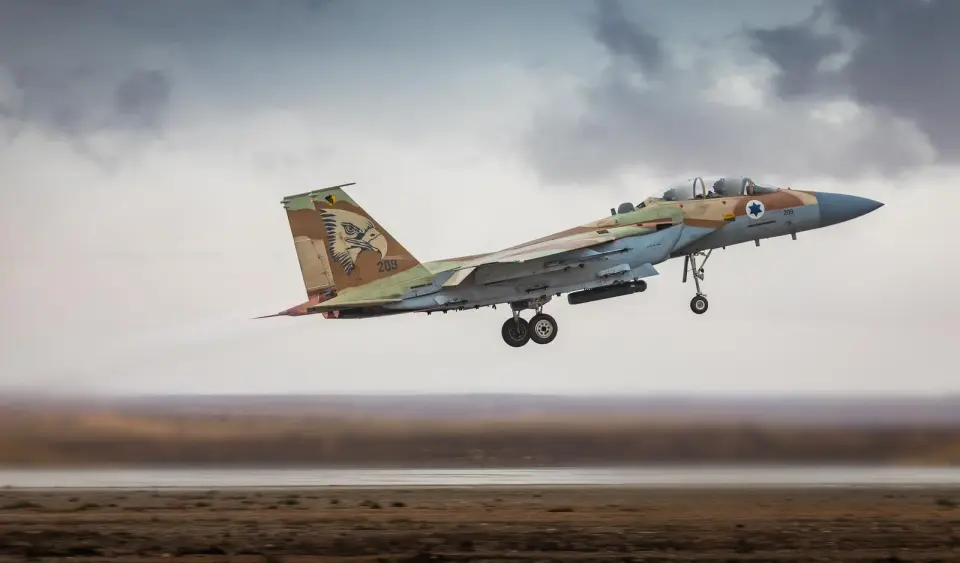
Israeli military intelligence has cautioned Prime Minister Benjamin Netanyahu that an attack on Iran could trigger a wider regional conflict involving Lebanon, Syria, and Gaza. While Netanyahu is lobbying for a joint US-Israeli strike to counter Iran’s rebuilding of missile capabilities, President Trump remains hesitant, preferring to let economic sanctions and diplomatic pressure work through the end of the year. Meanwhile, Iran is facing severe energy shortages, with President Masoud Pezeshkian announcing rolling power cuts due to damaged infrastructure and fuel shortages.
Key points
- IDF Military Intelligence warned Netanyahu in a closed-door meeting that a strike could ignite multiple fronts, contradicting his and Mossad chief Roman Gofman’s expectation of a limited three-to-five-day operation.
- Netanyahu, having lost his parliamentary majority in the October 27 election, is accused by opposition figures of inflating the Iran threat to prevent an alternative government from forming.
- Trump told Fox News he is inclined to resume strikes if a deal is not reached by the new year, but also expressed willingness to let the stalemate drag into 2027.
- Iran has begun rolling power cuts across the country, with President Pezeshkian working in the dark to conserve energy amid a severe energy crunch caused by war damage and sanctions.
- The US and Israel are considering a new assault, but Trump is reluctant due to political fallout from the nearly nine-month conflict and the upcoming change in Congress.
Background
The current tensions follow a nearly nine-month US-Israeli war with Iran, which began with a massive round of strikes. The conflict has significantly damaged Iran’s energy infrastructure, leading to the current power crisis. Netanyahu had previously planned a pre-election operation against Iran that was aborted after Washington learned of it. The US and Israel have been engaged in indirect negotiations to reopen the Strait of Hormuz, but Iran has refused to discuss its nuclear program unless the US lifts its naval blockade and accepts seven key demands.
How outlets are covering it
The Times of Israel emphasizes the internal Israeli disagreement, with IDF Military Intelligence warning against a strike that could spark a multifront war, while Netanyahu and Mossad chief Roman Gofman believe an operation could remain limited. CBS News highlights the US-Israeli coordination, noting that the Netanyahu administration prefers a joint operation but is uncertain about Trump’s willingness to order new military action. Axios points out the disagreement inside the US and Israeli governments over the imminence of the chemical weapons threat, with some US officials suspicious of Gofman’s assertions. The outlets also differ on Trump’s stance: The Times of Israel reports he is inclined to strike if no deal is reached by the new year, while CBS News and Axios note his reluctance to rush into a decision and his preference for letting economic pressure work.
Why it matters
The potential for a new US-Israeli strike on Iran could escalate into a wider regional conflict, involving Lebanon, Syria, and Gaza. The decision by Trump to resume strikes or continue diplomacy will have significant implications for the Middle East, including the stability of the Strait of Hormuz and the global energy market. Additionally, the political survival of Netanyahu and the upcoming change in US Congress could influence the timing and nature of any military action.
What to watch
Trump is expected to return from Asia later this week, where he may make a decision on whether to resume strikes against Iran. The US and Israel are likely to continue coordinating on potential strike scenarios, while Iran may face further energy shortages and public frustration due to the rolling power cuts. Diplomatic efforts led by Qatari and Pakistani mediators will continue to try to break the deadlock in indirect negotiations between the US and Iran.
- IDF said to warn Netanyahu an Israeli attack on Iran could spark multifront war The Times of Israel
- U.S. and Israel considering new assault on Iran, sources say CBS News
- Israeli Spy Chief Pressed for Renewed Iran Strikes During U.S. Visit WSJ
- IDF intelligence said to warn Netanyahu a unilateral Israeli attack on Iran could spark multifront war The Times of Israel
- Trump weighs strikes on Iran as Israel warns of chemical weapons Axios
Want the full story? Read the original reporting
Read on The Times of Israel