
ICJ to Deliver Historic Verdict on Myanmar Genocide Case Amid US Sanctions Threats
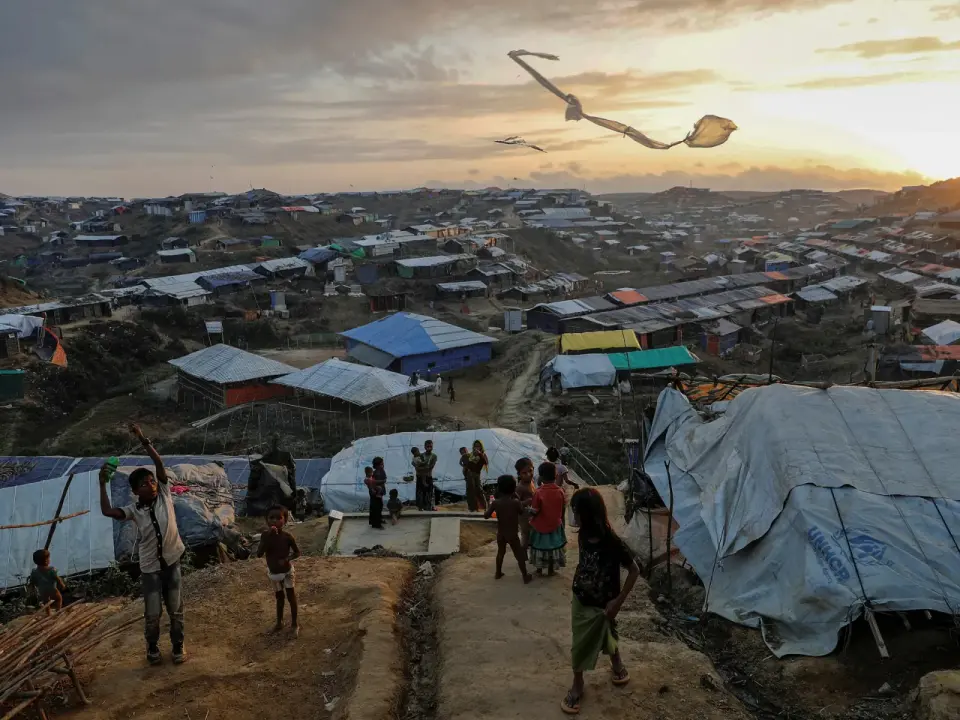
The International Court of Justice (ICJ) is set to rule on whether Myanmar committed genocide against the Rohingya in 2017. A finding of guilt would mark the first time the ICJ holds a state responsible for genocide under the 1948 Convention. The ruling carries no enforcement mechanism but could set a precedent for other cases, including South Africa’s lawsuit against Israel. The US has threatened to sanction ICJ judges if the ruling lowers the legal threshold for proving genocidal intent.
Key points
- The ICJ will deliver its verdict on Thursday, marking the first time it has been asked to find a state guilty of genocide.
- The case was brought by The Gambia in 2019 on behalf of the Organisation of Islamic Cooperation, with support from 11 other nations.
- Myanmar denies the allegations, claiming its 2017 operations were a legitimate counterterrorism response to attacks by the Arakan Rohingya Salvation Army.
- The ICJ must determine if Myanmar’s actions were carried out with the specific intent to destroy the Rohingya as a group, a legal standard that has been difficult to define in past cases.
- The US has threatened to sanction ICJ judges, including Nobel Peace Prize winner Navi Pillay, if the ruling lowers the legal threshold for proving genocide, fearing it could be used against US and allied soldiers.
Background
The Rohingya have faced decades of persecution in Myanmar, culminating in a 2017 military crackdown that forced hundreds of thousands to flee to Bangladesh. The UN estimated that about 10,000 Rohingya were killed and 740,000 displaced during the 2017 campaign. Since 2023, fighting between the Myanmar military and the Arakan Army has driven more than 155,000 additional Rohingya into Bangladesh, bringing the refugee population there to about 1.2 million. The Gambia filed the case in November 2019, and in January 2020, the ICJ ordered Myanmar to take emergency measures to prevent genocidal acts.
How outlets are covering it
Al Jazeera emphasizes the legal and humanitarian stakes, noting that a genocide finding would formally recognize the harm suffered by the Rohingya but may have limited immediate impact due to the lack of enforcement mechanisms. The New York Times highlights the historic nature of the ruling, noting that if found guilty, Myanmar would be the first state held accountable for violating the Genocide Convention. The Guardian focuses on the US threat to sanction ICJ judges, including Nobel Peace Prize winner Navi Pillay, if the ruling lowers the legal threshold for proving genocide. Just Security provides a detailed analysis of the legal challenges in proving specific intent, noting that the ICJ’s approach in this case could set a precedent for other pending genocide cases, including South Africa’s lawsuit against Israel.
Why it matters
The ICJ’s ruling will set a precedent for how the court interprets the legal threshold for proving genocidal intent, which could have far-reaching implications for other cases, including South Africa’s lawsuit against Israel. A finding of genocide would formally recognize the harm suffered by the Rohingya but may have limited immediate impact due to the lack of enforcement mechanisms. The US threat to sanction ICJ judges if the ruling lowers the legal threshold for proving genocide could undermine the court’s independence and credibility.
What to watch
The ICJ will deliver its verdict on Thursday. If it finds Myanmar guilty of genocide, it will be the first time the court has held a state responsible for the crime. The ruling could set a precedent for other pending genocide cases, including South Africa’s lawsuit against Israel. The US has threatened to sanction ICJ judges if the ruling lowers the legal threshold for proving genocide, which could undermine the court’s independence and credibility.
- ICJ to rule on Rohingya genocide case against Myanmar: What’s at stake? Al Jazeera
- What to Know About the Myanmar Genocide Case at the World Court The New York Times
- Fears grow that US will put Nobel-winning judge under sanctions after Myanmar genocide ruling The Guardian
- Top UN court to rule on alleged genocide of Myanmar's Rohingya Reuters
- What to Look for in Thursday’s ICJ Judgment on Genocide Just Security
Want the full story? Read the original reporting
Read on Al Jazeera