
ICJ to Deliver Historic Verdict on Myanmar Genocide Case, Facing US Sanctions Threats
The International Court of Justice (ICJ) is set to rule on Thursday whether Myanmar committed genocide against the Rohingya in 2017. If found guilty, Myanmar would be the first state held accountable under the 1948 Genocide Convention. The case, brought by The Gambia in 2019, has drawn support from 11 other nations. While a verdict carries no enforcement mechanism, it could set a precedent for future cases, including South Africa’s lawsuit against Israel. The US has threatened to sanction ICJ judges if the ruling lowers the legal threshold for proving genocidal intent.
Key points
- The ICJ will rule on whether Myanmar’s 2017 military operations in Rakhine State constituted genocide against the Rohingya, a crime defined as acts committed with intent to destroy a group.
- If found guilty, Myanmar would be the first state, as opposed to an individual, held accountable for violating the 1948 Genocide Convention.
- The case was brought by The Gambia in 2019, backed by the Organization of Islamic Cooperation and 11 other countries, including Canada, France, and the UK.
- Myanmar denies the allegations, claiming its actions were legitimate counterterrorism operations against the Arakan Rohingya Salvation Army (ARSA).
- A genocide finding would formally recognize the suffering of the Rohingya but carries no enforcement mechanism, leaving implementation to Myanmar.
- The US has threatened to sanction ICJ judges, including Nobel Peace Prize winner Navi Pillay, if the ruling lowers the legal threshold for proving genocidal intent.
Background
The Rohingya, a Muslim minority in Myanmar, have faced decades of discrimination, including exclusion from citizenship since 1982. In 2017, Myanmar’s military launched a crackdown in Rakhine State, resulting in the deaths of approximately 10,000 Rohingya and the displacement of 740,000 to Bangladesh. The UN estimated that soldiers razed hundreds of villages and committed mass killings and sexual violence. The ICJ was chosen to address the case because Myanmar is not a signatory to the International Criminal Court (ICC).
How outlets are covering it
The New York Times emphasizes the historic nature of the case, noting that Myanmar would be the first state held accountable for genocide if found guilty. BBC highlights the brutality of the 2017 operations and the lack of redress for victims, while also noting Myanmar’s denial of genocidal intent. Al Jazeera focuses on the legal implications, noting that the ruling could clarify the 'only reasonable inference' test for genocidal intent and impact future cases, including South Africa’s lawsuit against Israel. The Guardian highlights the US threats to sanction ICJ judges, particularly Navi Pillay, if the ruling lowers the legal threshold for proving genocide. All sources agree that a verdict would formally recognize the suffering of the Rohingya but may not lead to immediate relief due to the lack of enforcement mechanisms.
Why it matters
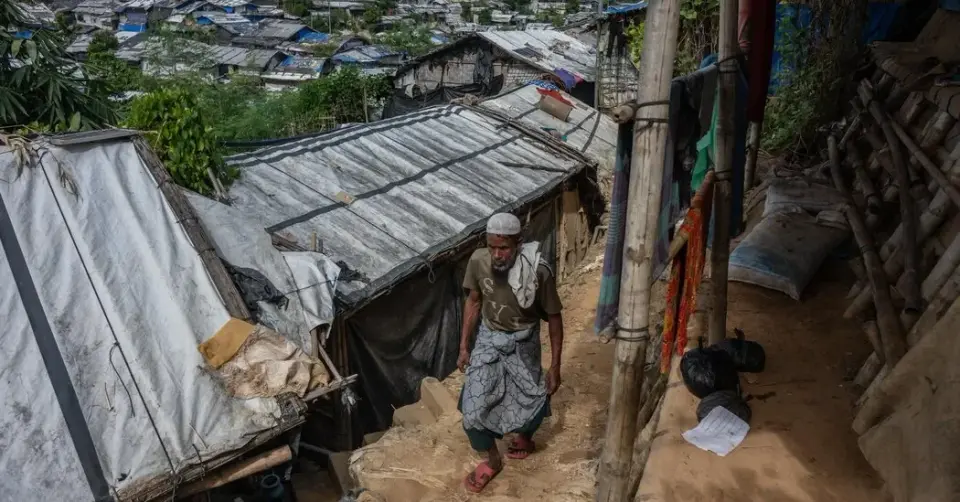
The ICJ’s ruling on the Myanmar genocide case is a landmark in international law, as it could be the first time a state is held accountable for genocide. The verdict could set a precedent for future cases, including those involving Israel, and clarify the legal threshold for proving genocidal intent. However, the lack of enforcement mechanisms and US threats to sanction judges may limit the practical impact of the ruling. The case also highlights the ongoing suffering of the Rohingya, who remain displaced in camps in Bangladesh despite international calls for their return.
What to watch
The ICJ will deliver its verdict on Thursday. If found guilty, Myanmar would be the first state held accountable for genocide. The ruling could set a precedent for future cases, including South Africa’s lawsuit against Israel. The US has threatened to sanction ICJ judges if the ruling lowers the legal threshold for proving genocidal intent. The Gambia hopes the ruling will prompt coordinated action by other countries to allow the Rohingya to return to Rakhine State safely.
- What to Know About the Myanmar Genocide Case at the World Court The New York Times
- Myanmar faces historic genocide verdict at UN court over Rohingya massacres BBC
- ICJ to rule on Rohingya genocide case against Myanmar: What’s at stake? Al Jazeera
- Fears grow that US will put Nobel-winning judge under sanctions after Myanmar genocide ruling The Guardian
- A Village Burned, Its People Killed or Exiled. Was It Genocide? The New York Times
Want the full story? Read the original reporting
Read on The New York Times