
ICJ to rule on Myanmar genocide case, with US threats and Rohingya hopes in focus
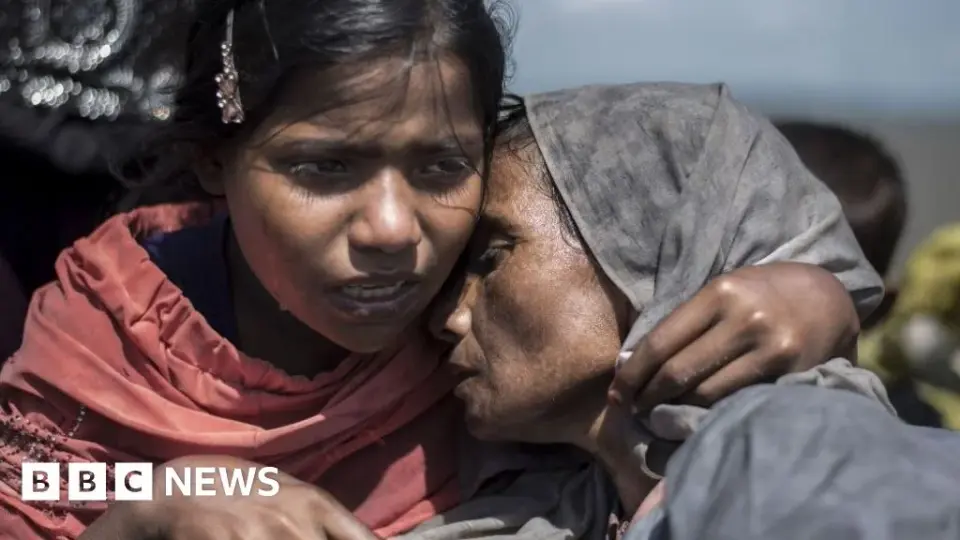
The International Court of Justice (ICJ) is set to deliver a historic verdict on Thursday regarding a 2019 case brought by The Gambia against Myanmar. The court must determine if Myanmar’s 2017 military operations against the Rohingya in Rakhine State constituted genocide. This is the first time the ICJ has been asked to find a state guilty of genocide. A ruling against Myanmar would be a landmark in international law, potentially setting precedents for future cases, including those involving Israel. However, the verdict carries no enforcement mechanism, and the US has threatened to sanction ICJ judges if the ruling lowers the legal threshold for proving genocidal intent.
Key points
- The ICJ will rule on whether Myanmar violated the 1948 Genocide Convention during its 2017 'clearance operations' against the Rohingya in Rakhine State.
- The case was filed by The Gambia in 2019, marking the first time a state not directly affected by atrocities brought a genocide case at the ICJ.
- Myanmar denies the allegations, claiming its actions were counterinsurgency measures against Rohingya militants, not genocide.
- A genocide verdict would be the first against a state in ICJ history, potentially setting a precedent for other cases, including South Africa's case against Israel.
- The US has threatened to sanction ICJ judges, including Nobel laureate Navi Pillay, if the ruling lowers the legal threshold for proving genocidal intent.
- Rohingya refugees in Bangladesh hope the verdict will recognize their suffering and strengthen their claim to return home, though experts warn it will not immediately change the ground reality.
Background
The Rohingya crisis began with a military crackdown in August 2017, which led to the mass expulsion of over 700,000 Rohingya to Bangladesh. The Gambia filed the case at the ICJ in November 2019, arguing that all states are bound by the Genocide Convention. Myanmar's former leader, Aung San Suu Kyi, led the initial defense but was deposed in a 2021 coup. The case has been watched closely for its implications for international law, particularly regarding the standard of evidence for proving genocidal intent and the role of sexual violence in genocide cases.
How outlets are covering it
BBC emphasizes the historic nature of the potential verdict and the lack of enforcement mechanisms. The Guardian highlights the US threats to sanction ICJ judges and the potential implications for the Israel case. Foreign Policy focuses on the legal precedents the case could set, including standards of evidence and reparations, and the impact on the Israel case. Al Jazeera centers on the hopes and realities of Rohingya refugees, noting that a verdict will not immediately change their situation. All sources agree on the significance of the case but differ in their emphasis: BBC on the legal precedent, The Guardian on US political interference, Foreign Policy on legal implications, and Al Jazeera on the human impact.
Why it matters
The ICJ's verdict will set a precedent for how genocide is defined and proven in international law, potentially affecting future cases, including those involving Israel. It will also test the limits of international law in holding states accountable for atrocities. For the Rohingya, it offers a chance for recognition of their suffering, though it will not immediately resolve their displacement or ensure their safe return. The case also highlights the challenges of enforcing international law, particularly when powerful states like the US threaten to sanction judges.
What to watch
The ICJ will deliver its verdict on Thursday. If it finds Myanmar guilty of genocide, it will be the first time a state has been found responsible for the crime by the ICJ. The US may impose sanctions on ICJ judges if the ruling lowers the legal threshold for proving genocidal intent. The verdict could also influence the South Africa case against Israel. For the Rohingya, the verdict may strengthen their claim to return home, but experts warn that the ground reality will not change immediately. The case will also test the limits of international law in holding states accountable for atrocities.
- Myanmar faces historic genocide verdict at UN court over Rohingya massacres BBC
- Fears grow that US will put Nobel-winning judge under sanctions after Myanmar genocide ruling The Guardian
- ICJ to Deliver Landmark Verdict on Myanmar Foreign Policy
- ‘We want to go back’: Rohingya refugees pin hopes on ICJ genocide verdict Al Jazeera
- Top UN court to rule on alleged genocide of Myanmar's Rohingya Reuters
Want the full story? Read the original reporting
Read on BBC