
Shenzhen Summit: Trump, Xi, and Putin Meet for First Time as Allies Fear Concessions
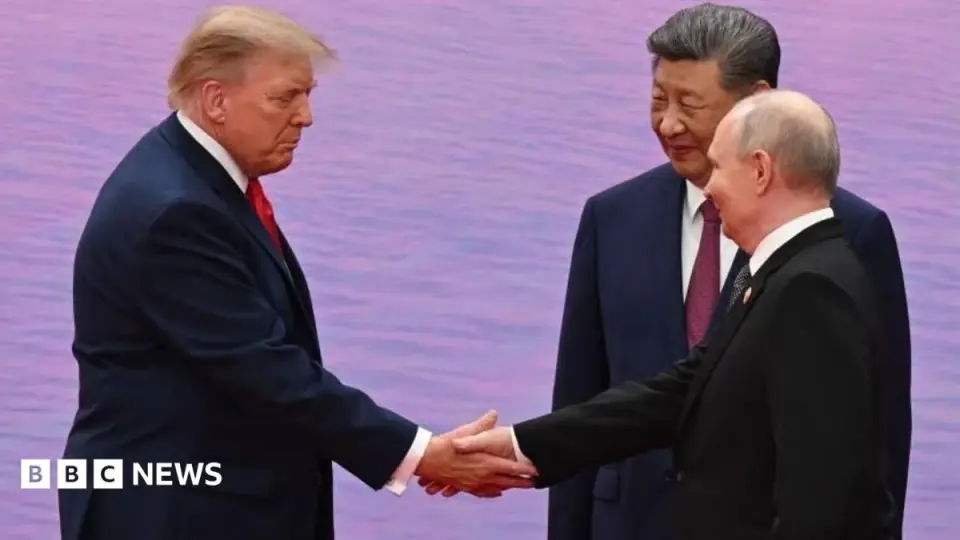
US President Donald Trump, Chinese President Xi Jinping, and Russian President Vladimir Putin are set to hold the first-ever trilateral meeting in Shenzhen on November 19, 2026, on the sidelines of the APEC summit. While the White House emphasizes discussions on nuclear arms reduction, Beijing has resisted such talks, and analysts expect no concrete breakthroughs. The meeting is viewed by some as a diplomatic victory for Putin, who has been isolated since the 2022 invasion of Ukraine, while allies worry Trump may prioritize optics over substantive security guarantees for Europe and Taiwan.
Key points
- The trilateral meeting in Shenzhen is the first in-person gathering of the US, Chinese, and Russian leaders, with Trump and Putin also holding separate one-on-one talks.
- The White House states the agenda includes nuclear arms reduction, but Chinese officials have rejected this topic, noting Beijing’s smaller arsenal compared to the US and Russia.
- European and Asian allies fear Trump’s weakened domestic position after midterm losses may embolden Xi and Putin to push for concessions on Ukraine and Taiwan.
- Xi Jinping broke protocol by personally greeting Trump at the airport, a rare gesture signaling a desire for positive rapport, though analysts doubt substantive outcomes.
- Putin’s participation marks a shift from his 2022 isolation, with Russian media already declaring the meeting a diplomatic victory despite ongoing war in Ukraine.
Background
This summit follows earlier APEC preparations and a rare airport greeting by Xi for Trump on November 18. Previous coverage noted that while the meeting focuses on global stability and trade, conflicting interests over the wars in Ukraine and Iran limit potential breakthroughs. The gathering is compared to historical Cold War-era summits, but experts doubt significant progress due to the absence of European and Ukrainian leaders.
How outlets are covering it
BBC News highlights the historic nature of the meeting and Putin’s diplomatic rehabilitation, noting Russian media’s premature celebration. Politico emphasizes fears among US allies that Trump’s unilateral style and weakened domestic position may lead to concessions on Ukraine and Taiwan. CNN critiques Trump’s relationship with authoritarian leaders, arguing his admiration for Xi and Putin risks appeasement, while noting potential benefits of open channels. The Washington Post focuses on the nuclear agenda, detailing China’s resistance to arms control talks and the complexity of a three-power negotiation, with experts suggesting the summit may yield only a statement of intent rather than concrete agreements.
Why it matters
The summit signals a potential shift in global power dynamics, with the US, China, and Russia engaging directly on security issues. It tests the limits of diplomacy in a fragmented world, where alliances and adversarial relationships are fluid. The outcome, or lack thereof, could influence future negotiations on nuclear arms, regional conflicts, and US-China-Russia relations, with implications for global stability and the balance of power.
What to watch
The trilateral meeting is scheduled for November 19, with separate one-on-one talks between Trump and Putin. Analysts expect limited concrete outcomes, but the summit may set the stage for future negotiations on nuclear arms and regional security. The US and China may explore confidence-building measures, while Russia’s stance on Ukraine and Europe’s security architecture remains a key variable. The meeting’s success or failure will be assessed by allies and adversaries alike, with potential ripple effects on global diplomacy.
- Trump, Xi and Putin set to hold historic meeting on Apec sidelines BBC
- ‘An absolute nightmare’ — Trump’s trilateral with Xi and Putin spooks allies Politico
- Russia and China are not America’s friends. Why does Trump think they are? CNN
- Trump’s dream of a nuclear deal meets reality of unwilling Russia and China The Washington Post
- Trump, Xi and Putin to Meet for Historic Trilateral in China Bloomberg.com
Want the full story? Read the original reporting
Read on BBC