
ICJ’s Historic Myanmar Verdict Sets New Precedent for Proving State Genocide
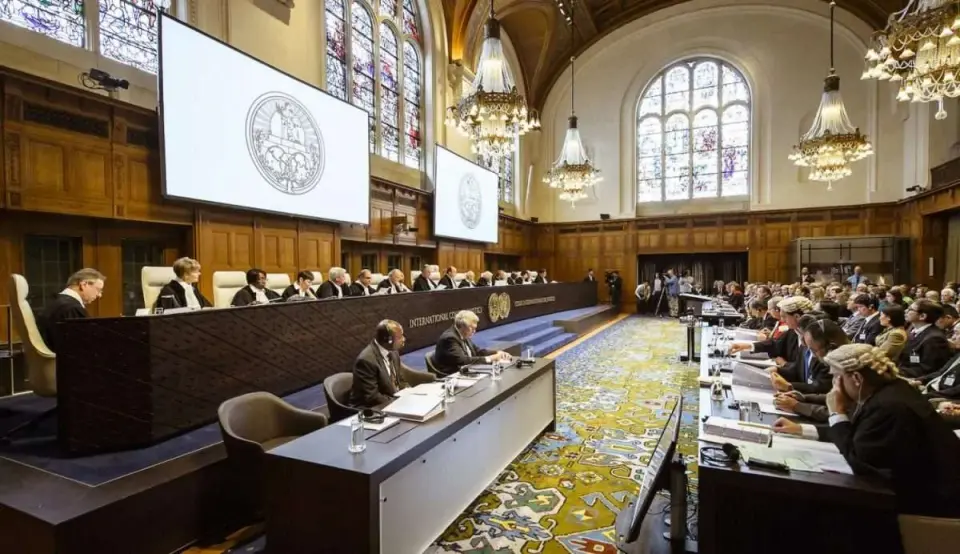
The International Court of Justice (ICJ) ruled 9-6 that Myanmar committed genocide against the Rohingya in 2017, marking the first time a state has been held liable under the 1948 Genocide Convention. The court found that Myanmar’s security forces killed approximately 10,000 civilians and acted with intent to destroy the group, rejecting the defense that the operations were legitimate counter-insurgency measures. The ruling orders reparations, including the safe return of refugees, but lacks direct enforcement mechanisms. Legal experts note the decision establishes a new precedent for proving genocidal intent through circumstantial evidence, potentially impacting pending cases against Israel and Russia.
Key points
- The ICJ ruled that Myanmar committed genocide against the Rohingya in northern Rakhine State, violating the 1948 Genocide Convention.
- The decision was split 9-6, with the majority finding that Myanmar’s actions, including mass killings and sexual violence, demonstrated intent to destroy the group.
- The court ordered Myanmar to provide reparations, including facilitating the safe return of Rohingya refugees and compensating victims.
- The ruling marks the first time a state has been found responsible for genocide by the ICJ, setting a precedent for future cases.
- The decision has implications for pending genocide cases, including South Africa’s claim against Israel over Gaza and Ukraine’s case against Russia.
Background
The case was brought by Gambia in 2019, alleging that Myanmar breached the Genocide Convention during its 2017 military campaign in Rakhine State. Prior to this ruling, the ICJ had found that Serbia violated the duty to prevent genocide in the 2007 Bosnia case but did not find that a state had committed genocide. The 2017 campaign followed an attack by a Rohingya insurgent group, leading to accusations of mass killings and displacement. Approximately 1.2 million Rohingya refugees now live in Bangladesh, while more than 500,000 remain in Myanmar.
How outlets are covering it
AP News and Al Jazeera emphasize the historic nature of the ruling as the first state genocide verdict by the ICJ, highlighting its potential impact on other cases, including South Africa’s claim against Israel. The Guardian focuses on the political fallout, noting fears that the US may impose sanctions on ICJ judges, including Nobel Peace Prize winner Navi Pillay, for lowering the legal threshold for proving genocide. EJIL: Talk! provides a detailed legal analysis, noting that the court changed its approach to the duty to prevent genocide but maintained a high standard of proof for genocidal intent. The dissenting judges criticized the majority for not justifying the departure from prior jurisprudence, while the majority argued that the evidence supported a finding of genocide.
Why it matters
The ruling sets a precedent for proving genocidal intent through circumstantial evidence, potentially making it easier for other states to bring genocide cases before the ICJ. It also highlights the lack of enforcement mechanisms for ICJ rulings, as Myanmar is not obligated to comply without consequences. The decision may influence ongoing cases, including South Africa’s claim against Israel, by providing a legal framework for assessing intent to destroy a group. Additionally, it underscores the importance of international law in holding states accountable for atrocities, despite political and diplomatic challenges.
What to watch
Myanmar is expected to face pressure to comply with the ruling, but enforcement remains uncertain. The ICJ may report noncompliance to the UN Security Council, but no binding enforcement mechanism exists. Legal experts anticipate that the ruling will influence pending genocide cases, including South Africa’s claim against Israel, which is expected to take several years to resolve. The US may impose sanctions on ICJ judges, potentially impacting the court’s independence and future cases.
- Did the Court Change its Approach to Defining or Proving Genocidal Intent in Gambia v. Myanmar and Did it Get it Right? Part I EJIL: Talk!
- For the first time, UN’s highest court finds a country responsible for genocide: Myanmar AP News
- Fears grow that US will put Nobel-winning judge under sanctions after Myanmar genocide ruling The Guardian
- What does the ICJ’s Rohingya genocide ruling mean for Gaza? Al Jazeera
- How the Campaign Against Israel Rewrote the Law of Genocide The Free Press
Want the full story? Read the original reporting
Read on EJIL: Talk!