
Israel's 2026 Election Mirrors 2019 Stalemate Amid Security Crises
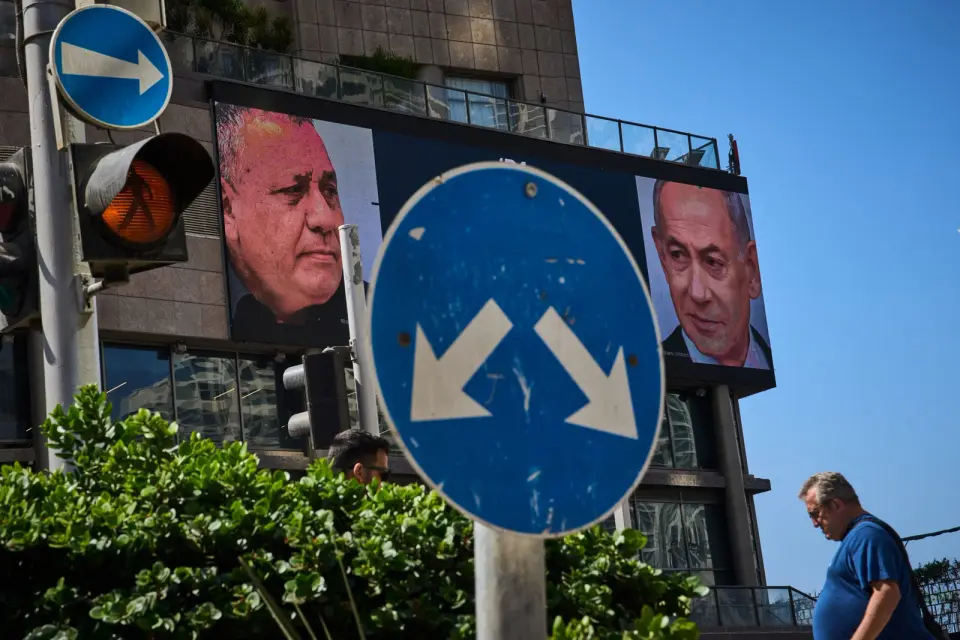
Israel's October 27, 2026, election is poised to replicate the 2019-2020 deadlock, with polls showing a near-tie between Benjamin Netanyahu and Gadi Eisenkot. Both leaders face significant hurdles in forming a 61-seat majority due to entrenched boycotts of Haredi and Arab parties. Unlike 2019, this stalemate occurs against a backdrop of ongoing military operations, international isolation, and unresolved security failures from October 7, 2023.
Key points
- The October 27, 2026, vote is expected to result in a governing stalemate similar to 2019, as neither Netanyahu nor Eisenkot can secure a 61-seat majority without breaking campaign promises.
- Netanyahu faces pressure to ally with parties he has historically opposed, while Eisenkot must navigate commitments against coalitionizing with Haredi parties that seek military service exemptions.
- The current political landscape is distinct from 2019 due to active military deployments on four fronts, international diplomatic isolation, and unresolved issues regarding the October 7, 2023, security failures.
- Polls show the pro- and anti-Netanyahu blocs are virtually tied, with widespread talk among parties of boycotting either Netanyahu, Arab parties, or Haredi parties to avoid compromise.
- Analysts warn that government paralysis in 2027 poses greater risks than in 2019, given the ongoing security crises and the need for decisive leadership in a volatile regional environment.
Background
This election follows a period of significant political and security turmoil in Israel, including the October 7, 2023, attacks and subsequent military operations. Previous elections in 2019 and 2020 also resulted in stalemates, eventually resolved by alliances formed under external pressures such as the COVID-19 pandemic. The current situation is compounded by international diplomatic challenges and domestic debates over judicial reform and Haredi military service exemptions.
How outlets are covering it
Jewish Insider emphasizes the structural similarities between the 2019 and 2026 elections, highlighting the repeated failure to form a stable government and the return of key political figures like Naftali Bennett and Moshe Feiglin. The Jerusalem Post, through an opinion piece, criticizes the lack of substantive policy engagement from most candidates, noting that only the Bennett/Lapid camp responded to a detailed questionnaire on governance, security, and foreign policy. This contrast underscores a perception that the 2026 campaign is more focused on personal rivalries than on addressing Israel's complex challenges, including international isolation and domestic polarization.
Why it matters
The potential for a prolonged government paralysis in Israel could exacerbate existing security and diplomatic challenges, affecting the country's ability to respond to regional threats and maintain international alliances. The outcome of this election will determine whether Israel can form a stable government capable of addressing the aftermath of October 7, 2023, and navigating a volatile geopolitical landscape.
What to watch
The October 27, 2026, election will determine whether Israel can break the current political deadlock or face another period of instability. Key factors include the willingness of parties to compromise on Haredi and Arab coalition partners, the impact of ongoing military operations on public sentiment, and the ability of candidates to present viable policy solutions to Israel's security and diplomatic challenges.
- Israeli election déjà vu Jewish Insider
- Opinion | Israelis Are Exhausted. There Is a Way Out. The New York Times
- Will Binyamin Netanyahu win the next Israeli election? The Times
- Israel Election 2026: Three questions Israelis must ask themselves before voting The Jerusalem Post
- Israelis near Lebanon border rethink loyalty to Netanyahu before election Naharnet
Want the full story? Read the original reporting
Read on Jewish Insider