
Canada and EU to formalize deepening ties, but 'associate membership' label remains contested
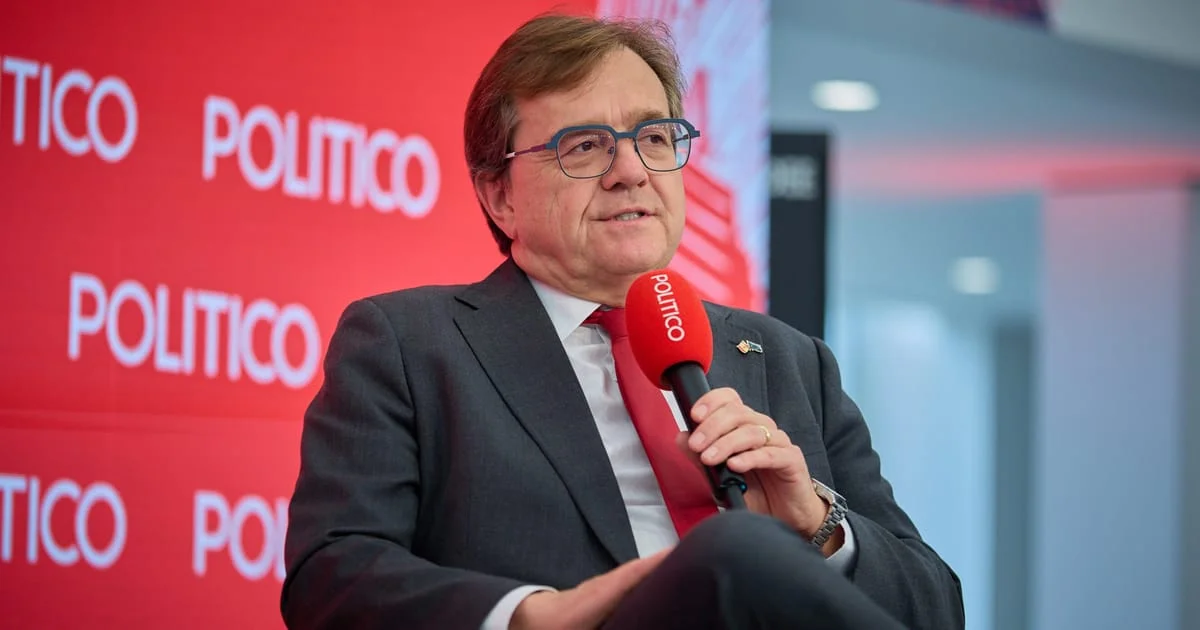
Canada and the European Union are preparing to announce a significantly deepened partnership within the next 12 months, with several agreements expected at an October summit. While EU President Ursula von der Leyen has floated the concept of 'associate membership' for Canada, Canadian officials are avoiding that specific terminology, arguing that the legal status is less important than the practical cooperation in areas like critical raw materials, AI, and defense. The move represents a strategic pivot by Ottawa and Brussels to strengthen their economic and security ties, largely in response to the destabilizing trade policies and rhetorical attacks from the United States.
Key points
- Canadian Ambassador Jonathan Wilkinson stated that the EU-Canada relationship will become 'much deeper and closer' but declined to confirm the 'associate membership' label, noting that no such legal category exists in EU treaties.
- Specific agreements on critical raw materials, artificial intelligence, and research are expected to be signed within the next 12 months, with a major push at the joint EU-Canada summit in October.
- EU Commission President Ursula von der Leyen previously suggested Canada could become the 'first associate member,' a proposal that has raised eyebrows among EU diplomats who note that member states have not been formally consulted on the concept.
- Canadian Prime Minister Mark Carney has framed the new alliance as a necessary response to a 'rupture' in the global order caused by US policies, emphasizing sovereignty and economic security over traditional transatlantic reliance.
- The partnership aims to go beyond existing trade and defense agreements, potentially involving rule alignment similar to the European Economic Area model, though the exact legal structure remains undefined.
Background
This development follows a series of announcements in September 2026, including EU Parliament President Roberta Metsola’s suggestion that Australia and New Zealand could also pursue associate membership. Earlier reports indicated that Canada was already joining EU defense procurement programs and that the associate status might involve rule alignment without full policy voting rights. The current negotiations are part of a broader shift by Western allies to diversify their security and economic partnerships away from the United States.
How outlets are covering it
POLITICO highlights the pragmatic approach of Canadian officials, who are focused on concrete outcomes like prosperity and economic security rather than the symbolic title of 'associate membership.' In contrast, The Guardian frames the move as a deliberate and eloquent effort by Mark Carney to build a new world order that sidelines the United States, citing Carney’s speeches in Davos and Strasbourg as evidence of a strategic pivot. The Financial Times, while its full text was behind a paywall, is noted in the source list as covering the limits of defying Donald Trump, suggesting a focus on the geopolitical risks and trade tensions inherent in this realignment. EU diplomats, as reported by POLITICO, have expressed skepticism about the 'associate membership' label, pointing out that it lacks a legal basis in the bloc’s foundational treaties and that member states were not consulted on the proposal.
Why it matters
The formalization of a deeper EU-Canada partnership signals a potential restructuring of Western alliances, moving away from exclusive reliance on the United States. This could have significant implications for global trade, defense procurement, and technology standards, particularly in sectors like AI and critical minerals. It also tests the resilience of the transatlantic relationship and may set a precedent for other nations, such as Australia and New Zealand, to seek similar arrangements with the EU.
What to watch
The next major step is the joint EU-Canada summit in October, where several agreements are expected to be signed. The outcome of these talks will determine whether the 'associate membership' concept is formally adopted or if the partnership remains a series of upgraded bilateral agreements. The reaction of the United States, including potential tariff threats, will also be a key factor in the immediate future of these negotiations.
- EU and Canada to unveil new partnership, but it may not be ‘associate membership,’ says ambassador politico.eu
- Mark Carney and the limits of defying Donald Trump Financial Times
- Mark Carney is making an eloquent case for an alliance sidelining the US | Ted Widmer The Guardian
- This Week in Canada: Mark Carney’s EU Fever Dream The Free Press
- Opinion: The upside of a European alternative to Trumpmerica, and the limits theglobeandmail.com
Want the full story? Read the original reporting
Read on politico.eu