
Anaesthesia Research Reveals Consciousness as a Network, Not a Single Switch
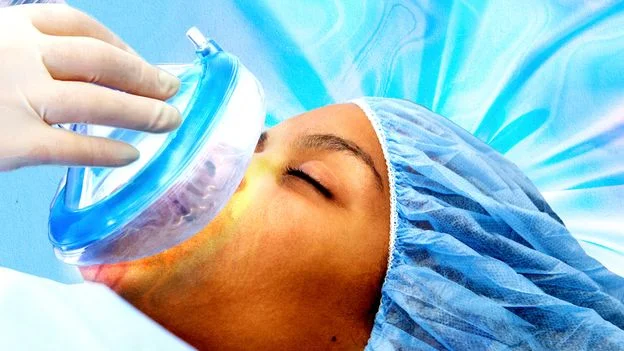
General anaesthetics, used in over 350 million surgeries annually, remain a scientific mystery because their mechanism for inducing unconsciousness is not fully understood. Recent research suggests that anaesthetics do not simply switch off the brain but disrupt communication between different regions, particularly the thalamus and cerebral cortex. This loss of long-range connectivity appears to erase the unique 'fingerprint' of individual brain activity, offering clues that consciousness is an emergent property of network coordination rather than a localized function. While some scientists propose a 'third state' of consciousness between wakefulness and sleep, others argue that consciousness is rooted in bodily homeostasis. These findings provide a controlled way to study the 'hard problem' of consciousness by observing what changes when the brain's normal communication patterns are interrupted.
Key points
- General anaesthetics like propofol and xenon induce unconsciousness by interfering with nerve cell communication, causing a global reduction in brain activity, though the exact mechanism remains unclear.
- The thalamus, a central hub for arousal and sleep, appears to power down first under anaesthesia, and stimulating it can wake anaesthetised animals, suggesting it is a critical area for consciousness.
- Neuroscientist Andrea Luppi found that anaesthetised brains lose their unique functional connectivity patterns, becoming more similar to each other and to other primates, indicating that consciousness relies on complex, individual network coordination.
- Consultant anaesthetist Jaideep Pandit suggests a 'third state' of consciousness, where patients may retain some awareness despite appearing unconscious, as evidenced by experiments where patients moved their hands on command.
- Antonio Damasio argues that consciousness is not just a brain function but a partnership between brain and body, rooted in homeostatic feelings that protect the organism, contrasting with views that focus solely on neural networks.
Background
This story builds on recent neuroscience research exploring brain development and aging. In August 2026, Harvard researchers demonstrated that lab-grown brain organoids can record developmental time, offering new models for studying brain conditions. In September 2026, studies highlighted midlife brain remodeling involving immune cell shifts and genome architecture decline, as well as the brain's dual evolutionary origins from separate neural systems. Additionally, AI-augmented MRI analysis revealed that the brain's waste-removal system operates at two speeds during sleep, linking sleep quality to Alzheimer's risk. These findings underscore the complexity of brain function and the ongoing effort to understand how neural networks support consciousness and health.
How outlets are covering it
The BBC and The Economic Times emphasize the network-based view of consciousness, highlighting how anaesthetics disrupt long-range brain connectivity and erase individual brain 'fingerprints,' as reported by Andrea Luppi. They also note the thalamus's role as a key area that powers down first. In contrast, Greater Good Science Center features Antonio Damasio, who argues that consciousness is rooted in bodily homeostasis and the brain-body partnership, not just neural networks. Skeptic.com offers a philosophical perspective, suggesting consciousness is an emergent property of a 'consciousness network' of neurons, and that it is a byproduct of evolution with no survival value beyond reflecting brain processes. While the BBC and Economic Times focus on the scientific mystery of how anaesthetics work, Damasio and Whittenberger provide broader theoretical frameworks for understanding consciousness, with Damasio emphasizing the body's role and Whittenberger advocating for a materialist, brain-dependent dualism.
Why it matters
Understanding how anaesthetics work could lead to safer, more effective anaesthetic drugs and better treatments for disorders of consciousness, such as coma. It also sheds light on the fundamental nature of consciousness, which has implications for artificial intelligence, ethics, and our understanding of the self. By revealing that consciousness is a network phenomenon, researchers can develop new ways to monitor and restore consciousness in patients, potentially improving outcomes for those with brain injuries or neurodegenerative diseases.
What to watch
Researchers will continue to study the specific brain regions and networks affected by anaesthetics, with a focus on the thalamus and cerebral cortex. Further experiments may test the 'third state' of consciousness hypothesis and explore how psychedelics, which increase brain connectivity, contrast with anaesthetics. Advances in brain imaging and AI analysis may help map the 'consciousness network' and verify the material basis of mental states, potentially leading to new therapies for brain disorders and a deeper understanding of the mind-body connection.
- 'One of the great unsolved mysteries of science': What general anaesthetic reveals about our brains BBC
- Can Consciousness Exist Without a Body? greatergood.berkeley.edu
- What happens to the brain when consciousness goes offline? Scientists uncover how disrupted brain communic The Economic Times
- The Hard Problem of Consciousness Is a Soluble One skeptic.com
- A Hidden Quantum World May Exist Inside Your Cells. It Could Explain Human Consciousness, Experiments Show. Popular Mechanics
Want the full story? Read the original reporting
Read on BBC