
Europe secures marginal role in Abu Dhabi peace talks as US probes NATO-style guarantees
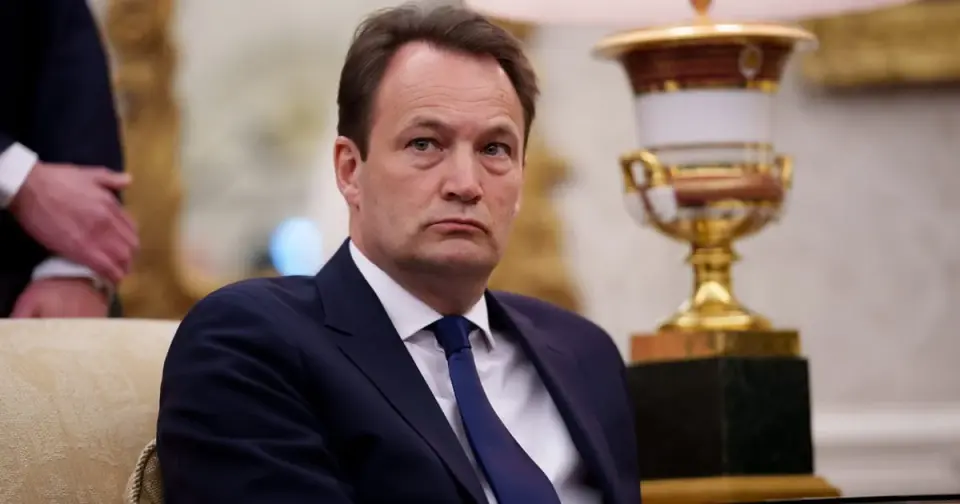
Senior European officials are attending US-brokered peace talks in Abu Dhabi this week, despite Russian objections to their direct participation. The US is formally asking Moscow to accept Article 5-style security guarantees for Ukraine, a move described as remarkable by officials. While Europe aims to influence the 'new security architecture' from the margins, deep divisions remain over territorial concessions and military limits.
Key points
- European national security advisers from France, UK, Germany, and Italy, along with NATO and EU officials, are traveling to Abu Dhabi for talks scheduled Tuesday and Wednesday.
- The US delegation, led by Jared Kushner and Steve Witkoff, is formally asking Russia to consider NATO-like security guarantees (Article 4 and 5) for Ukraine, a first-time formal inquiry.
- Russia insists the talks remain strictly trilateral (US, Russia, Ukraine) and has objected to European presence in the main negotiation room.
- Ukraine is represented by Rustem Umerov, head of foreign intelligence, while Russia is led by presidential aide Vladimir Medinsky.
- The talks follow a nine-month pause and coincide with escalating Russian strikes on Ukrainian energy infrastructure and civilian sites.
Background
These negotiations resume after a gap since February 2026, following previous rounds in Geneva and postponed sessions due to the Iran conflict. Earlier in 2026, European leaders expressed frustration over fragmented diplomatic formats, with Italian PM Giorgia Meloni pushing for a unified EU mandate. Recent Nordic phone calls with Putin highlighted internal European divisions, while US aid to Ukraine has fluctuated amid domestic political shifts in Washington.
How outlets are covering it
Politico emphasizes the strategic maneuvering of European figures like Günter Sautter and Fabrizio Saggio to secure a seat at the table, noting that Europe is excluded from the main room but will hold separate coordination meetings. CNN highlights skepticism from EU foreign policy chief Kaja Kallas regarding Russia’s good faith, while noting Trump’s suggestion that Ukraine’s borders may change. The Guardian focuses on Secretary of State Marco Rubio’s claim that progress has been made on post-war security infrastructure, contrasting this with the ongoing deadly Russian strikes on Ukrainian civilians and energy grids. All sources agree that while the US is pushing for a 'final end' to the war, Russia maintains maximalist demands regarding territory and military restrictions.
Why it matters
The outcome of these talks could define the post-war security architecture for Europe, potentially altering NATO’s role and Ukraine’s sovereignty. The US proposal for Article 5-like guarantees represents a significant diplomatic shift, while Europe’s marginal presence risks being sidelined in decisions affecting continental security. Failure to reach a consensus may prolong the conflict and deepen transatlantic rifts over how to engage with Moscow.
What to watch
Negotiations will continue through Wednesday in Abu Dhabi, with separate meetings between US and European officials. The US will decide whether to offer a formal security guarantee, while Europe awaits clarity on its mandate in future rounds. Analysts expect modest progress, with significant hurdles remaining over territorial issues and military limitations.
- Who’s who for Europe at the Ukraine talks in Abu Dhabi POLITICO.eu
- Ukraine peace talks to restart after 9 months. What makes them different this time? CNN
- US asks Russia to agree to NATO-like backing for Ukraine Politico
- Russia and Ukraine showing flexibility on territory, US official says Reuters
- Ukraine war briefing: post war ‘security guarantees’ a key focus in upcoming Abu Dhabi talks, says Rubio The Guardian
Want the full story? Read the original reporting
Read on POLITICO.eu