
G20 Diplomats Clash in Atlanta as US Cancels Group Photo Over Russian Boycott
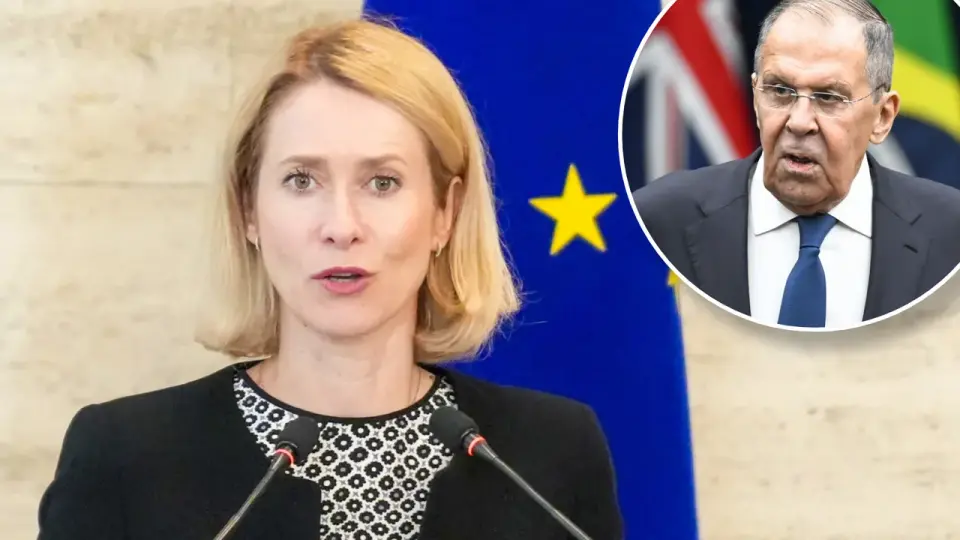
EU foreign policy chief Kaja Kallas accused Russian Foreign Minister Sergey Lavrov of spreading 'lies' during G20 talks in Atlanta, leading to a cancelled group photo and deep diplomatic rifts. While the US approved $2.1 billion in Patriot interceptors for Ukraine, European nations refused to pose with Lavrov, citing his 'arrogant' stance on the war. The meeting ended without a joint communique, highlighting tensions between Washington’s engagement with Moscow and Europe’s opposition.
Key points
- Kaja Kallas stated Lavrov presented 'false narratives' regarding the Ukraine conflict during the G20 foreign ministers' meeting in Atlanta.
- The traditional G20 group photo was cancelled after approximately one-third of attendees, including the UK, Australia, and EU nations, refused to pose with Lavrov.
- US Secretary of State Marco Rubio praised Poland’s inclusion in the talks, countering Lavrov’s criticism that Warsaw’s presence 'violates diplomacy'.
- The US approved 500 Patriot PAC-3 interceptors worth $2.1 billion for Ukraine, though President Zelenskyy warned delivery could take years.
- Lavrov criticized European 'arrogance' while praising US engagement, but the meeting failed to produce a joint communique due to unresolved disputes.
Background
This confrontation follows months of escalating tensions, including Kallas’s earlier accusations that the US pressured Ukraine to surrender terms during Oslo peace talks. Previous coverage noted that European officials had already signaled they would not normalize Russia’s presence at international forums, a stance reinforced by the recent decision to exclude Ukraine from this year’s G20 invitation list while inviting Poland as a guest.
How outlets are covering it
TVP World and Euronews focus on Kallas’s direct accusations of 'lies' and the subsequent diplomatic friction, emphasizing the clash over Ukraine and the Black Sea ceasefire. The Guardian highlights the broader rupture in the international community, noting that the US attempt to reintegrate Russia contrasts sharply with European and Australian refusals to engage. While all sources agree on the photo boycott, The Guardian adds detail about the absence of a joint communique and the exclusion of South Africa, whereas TVP World and Euronews concentrate on the verbal exchanges and the Patriot interceptor deal.
Why it matters
The failure to produce a joint communique and the visible schism between the US and its allies signal a fragmented approach to the Ukraine war and global security. The delayed delivery of critical defense systems, despite approval, raises concerns about Ukraine’s ability to withstand Russian attacks in the near term, potentially influencing the outcome of the December leaders' summit.
What to watch
Attention shifts to the December G20 leaders' summit in Florida, where the US may invite Vladimir Putin. European leaders are expected to continue opposing normalization of Russia’s presence, while the US administration pushes for dialogue. The timeline for Patriot interceptor delivery remains a critical variable for Ukraine’s defense capabilities.
- Kallas accuses Lavrov of ‘lies’ at G20 talks TVP World
- Distaste for Russian Diplomat Forces U.S. to Cancel Photo Session in Atlanta The New York Times
- 'A lot of lies': Kaja Kallas criticises Lavrov following G20 meetings Euronews.com
- US cancels G20 ‘family photo’ after Australia, UK and others refuse to appear with Russia The Guardian
- Atlanta played host to world’s largest economies as they debate global issues The Atlanta Journal-Constitution
Want the full story? Read the original reporting
Read on TVP World