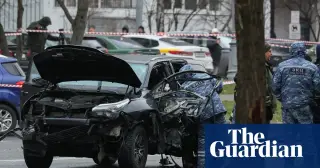
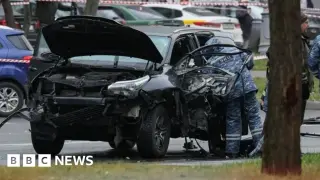
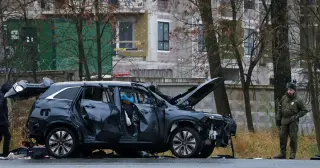
A car bomb in Moscow severely injured Sergei Zavorotniy, a former aide to ex-Ukrainian PM Mykola Azarov, marking the second such attack in Russia in two days. The incident occurred as informal peace talks continued in Dublin, with Ukraine yet to comment on the blasts.
A car bomb in Moscow injured Sergei Zavorotny, a former aide to ex-Ukrainian PM Mykola Azarov, marking the second such attack in Russia within 48 hours. The incident occurred while informal peace talks continued in Dublin, though both sides exchanged strikes overnight. Russian investigators have opened a criminal case, while Ukraine has not commented on the attacks.
A car bomb exploded in Moscow on Friday, injuring Sergei Zavorotny, a 72-year-old former aide to ex-Ukrainian Prime Minister Mykola Azarov. This is the second car bombing in Russia in two days, following a fatal attack in St. Petersburg on Thursday. Russian investigators have opened an attempted murder case, while Ukrainian authorities have not commented on the incident.
On November 7, Moscow police detained between 150 and 300 teenagers in the Kitai-Gorod district, citing public order concerns. Detainees reported being denied water and bathroom access, while some received military draft notices or contract offers. The operation drew criticism from lawmakers and human rights advocates, who alleged arbitrary detention and violations of minors' rights, occurring against a backdrop of declining military recruitment figures.
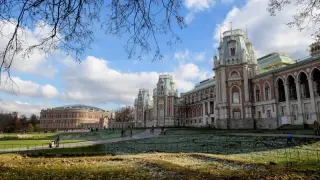
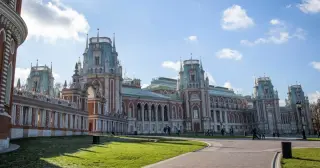
Russian security services detained a minor after receiving a tip from US law enforcement regarding a planned attack at the Tsaritsyno Museum Reserve. The suspect had posted images of tactical gear and the venue on TikTok. The US Embassy issued a mass casualty alert, leading to the temporary closure of the park. This incident highlights ongoing security cooperation between Washington and Moscow, despite recent political tensions over sanctions.
The U.S. Embassy in Moscow issued a security alert on October 31, 2026, warning of a credible threat of a mass casualty event at the Tsaritsyno Museum Reserve. Russian security services confirmed receiving the intelligence and evacuated the venue, which had been hosting a concert. This incident echoes a similar warning in 2024 that preceded the Crocus City Hall attack.
The U.S. Embassy in Moscow issued an urgent alert on October 31, 2026, warning of a credible threat of a mass casualty event at the Tsaritsyno Museum Reserve. Russian security services confirmed receipt of the intelligence and initiated an evacuation of the popular park complex.
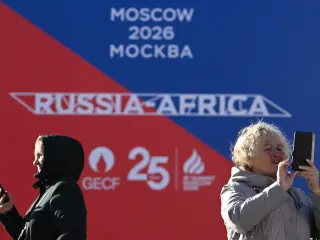
The third Russia-Africa Summit concluded in Moscow on October 29, bringing together leaders from 48 African nations to discuss trade, security, and technology. Chaired by Russian President Vladimir Putin and African Union chair Evariste Ndayishimiye, the two-day event featured over 40 sessions and 100 speakers. While trade between the regions has grown to over $28 billion, analysts note that Russia’s influence in Africa is driven more by security cooperation than commercial exchange. The summit aims to finalize a partnership plan for 2027-2029, though it faces scrutiny over the recruitment of African fighters for the war in Ukraine.
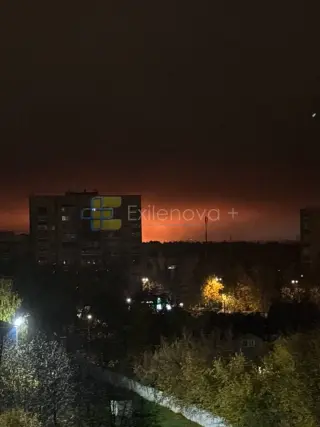
Ukrainian forces launched a widespread drone attack overnight on October 16, targeting infrastructure in Moscow, Rostov, and Vladimir regions. The strikes reportedly hit a Yandex data center and warehouses, while Moscow's airspace was closed, canceling flights at four major airports. Russian officials claimed 59 drones were destroyed, but the attacks continue a recent campaign against Russian digital and energy infrastructure.
Ukrainian volunteer units in Kyiv face a critical gap in defending against new Russian jet-powered drones, which are too fast for existing machine guns. Simultaneously, drone activity forced all four major Moscow airports to suspend flights on October 9, highlighting the expanding reach of aerial warfare.
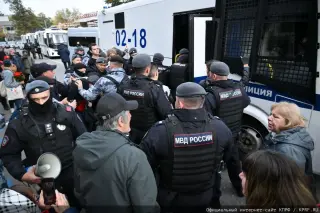
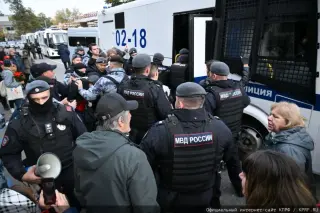
On October 4, 2026, Moscow police detained approximately 60 individuals at an authorized rally organized by the Communist Party of the Russian Federation (KPRF) to mark the 33rd anniversary of the 1993 constitutional crisis. Although the event was officially permitted, detentions escalated as participants shifted from patriotic commemorations to anti-Kremlin slogans, including 'Down with the Tsar' and calls for fair elections. The detainees included 26 KPRF members, 30 members of the liberal Yabloko party, and other activists, highlighting a broader crackdown on political dissent in Russia.
Russian police detained dozens of people during a Moscow rally organized by the Kremlin-aligned Communist Party on October 4, 2026. The event, marking the 33rd anniversary of the 1993 constitutional crisis, turned confrontational when participants shifted from patriotic slogans to anti-Kremlin chants, including calls for fair elections and 'Down with the Tsar.' This crackdown on dissent occurs amid heightened tensions following recent Ukrainian drone strikes on Russian targets, including Moscow suburbs and the Black Sea port of Sochi.
On October 4, 2026, Russian police detained dozens of people during a rally in Moscow organized by the Kremlin-friendly Communist Party. The event marked the 33rd anniversary of the 1993 constitutional crisis, where government forces clashed with parliament supporters. Although the rally was officially permitted, security forces intervened as participants shifted from standard patriotic slogans to direct anti-Kremlin chants, including calls for fair elections and 'Down with the Tsar.' The detained individuals included members of the Communist Party, the liberal Yabloko party, and other activists. This incident highlights a broader crackdown on political dissent in Russia ahead of upcoming parliamentary elections.
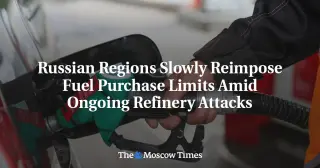
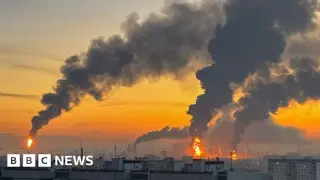
Ukraine launched its largest-ever combined missile and drone assault on Moscow Oblast on September 19–20, targeting the Gazpromneft-Moscow refinery and logistics hubs. The strikes, which killed at least three people and injured 20, coincided with the final day of Russian parliamentary voting. In response, Russian regions like Kaluga and Zabaikalsky reintroduced fuel rationing, including odd-even license plate restrictions and per-vehicle caps, as refinery damage pushed national refining capacity offline by 14%. The attack followed a series of strikes on refineries in Samara and Ufa, contributing to a 21% rise in gasoline prices this year.
Ukraine launched a massive drone barrage on the Moscow region, killing at least two people and damaging an oil refinery, coinciding with the start of Russian parliamentary elections.