
Trump, Xi, and Putin Convene in Shenzhen for High-Stakes Apec Summit
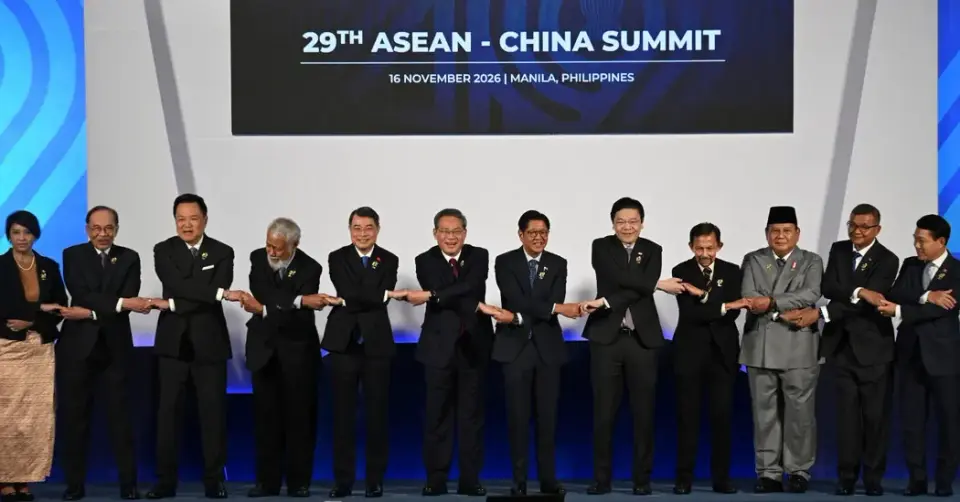
US President Donald Trump, Chinese President Xi Jinping, and Russian President Vladimir Putin are set to meet in Shenzhen, China, on the sidelines of the Asia-Pacific Economic Cooperation (Apec) summit. This trilateral gathering, occurring after Trump’s recent midterm election losses, is being scrutinized for its potential impact on global power dynamics, particularly regarding trade, security, and the South China Sea. While some observers compare the event to the 1945 Yalta conference, analysts suggest the meeting may be more symbolic than substantive, with limited concrete outcomes expected despite the high-profile imagery.
Key points
- The Apec summit in Shenzhen brings together leaders representing 62% of global GDP, focusing on supply chain security, AI governance, and tariff reductions.
- A trilateral meeting between Trump, Xi, and Putin is scheduled for Thursday, potentially overshadowing other diplomatic events in the region.
- Trump’s visit follows his loss in the US midterm elections, raising questions about his domestic political capital and foreign policy leverage.
- Southeast Asian nations are hedging their bets by diversifying economic partnerships due to perceived US unreliability and China’s growing military presence.
- The summit coincides with ongoing tensions in the South China Sea, where Beijing has expanded military outposts, and a recent ICJ judgment on Myanmar’s alleged genocide.
Background
Recent developments in Southeast Asia include a decade-worst haze crisis caused by Indonesian wildfires, which led to diplomatic friction and student protests. This environmental and health crisis has strained regional relations and highlighted the need for coordinated responses to cross-border issues. Additionally, the region has been navigating complex geopolitical shifts, with countries seeking to balance relationships between the US and China amid rising tensions and economic uncertainties.
How outlets are covering it
The New York Times emphasizes the broader implications of the summit for US-China competition and the shifting dynamics of power in Asia. The Financial Times highlights the symbolic nature of the trilateral meeting, comparing it to the 1945 Yalta conference, while noting that concrete outcomes are unlikely. The Guardian focuses on the regional context, including the Asean summit in Manila and the Quad meeting, as well as the ongoing disputes in the South China Sea and Myanmar. Bloomberg’s Ruth Pollard argues that the region’s problems, such as energy security and scam centers, are outgrowing the capacity of current summits to address them effectively. These perspectives reflect a range of views on the summit’s significance, from symbolic gestures to substantive policy discussions, and the challenges facing Southeast Asian nations in navigating great-power competition.
Why it matters
The Apec summit and the trilateral meeting between Trump, Xi, and Putin are critical for understanding the future of global power dynamics, particularly in Asia. The outcomes of these meetings could influence trade policies, security arrangements, and the balance of power in the region. For Southeast Asian nations, the summit offers an opportunity to assert their interests and diversify their economic partnerships, reducing dependence on any single superpower. Additionally, the summit’s focus on AI governance and supply chain security reflects the growing importance of technology and economic resilience in the face of geopolitical tensions. The broader implications of these meetings will shape the region’s trajectory in the coming years, affecting everything from trade to security and environmental policy.
What to watch
Following the Apec summit, the G20 summit in Miami, Florida, is expected to take place next month, with Xi Jinping potentially attending if US-China relations remain stable. The outcomes of the Apec summit, particularly any agreements on trade and security, will likely influence the agenda of the G20. Additionally, ongoing negotiations in the South China Sea and the ICJ judgment on Myanmar will continue to shape regional diplomacy. Southeast Asian nations are expected to pursue deeper regional integration and diversification of economic partnerships to mitigate the risks of US-China competition. The next few weeks will be crucial for assessing the long-term impact of these summits on global power dynamics and regional stability.
- 10 Numbers That Might Change How You See Asia The New York Times
- FirstFT: Trump, Xi and Putin lead Asia’s week of high-stakes diplomacy Financial Times
- World leaders head to Asia for back-to-back diplomatic summits The Guardian
- Editorial | Shenzhen summit puts AI, trade and security in focus South China Morning Post
- Asia’s Problems Are Outgrowing Its Summits Bloomberg.com
Want the full story? Read the original reporting
Read on The New York Times