
US Veto Blocks Iran’s Nuclear Chief from IAEA Summit in Vienna
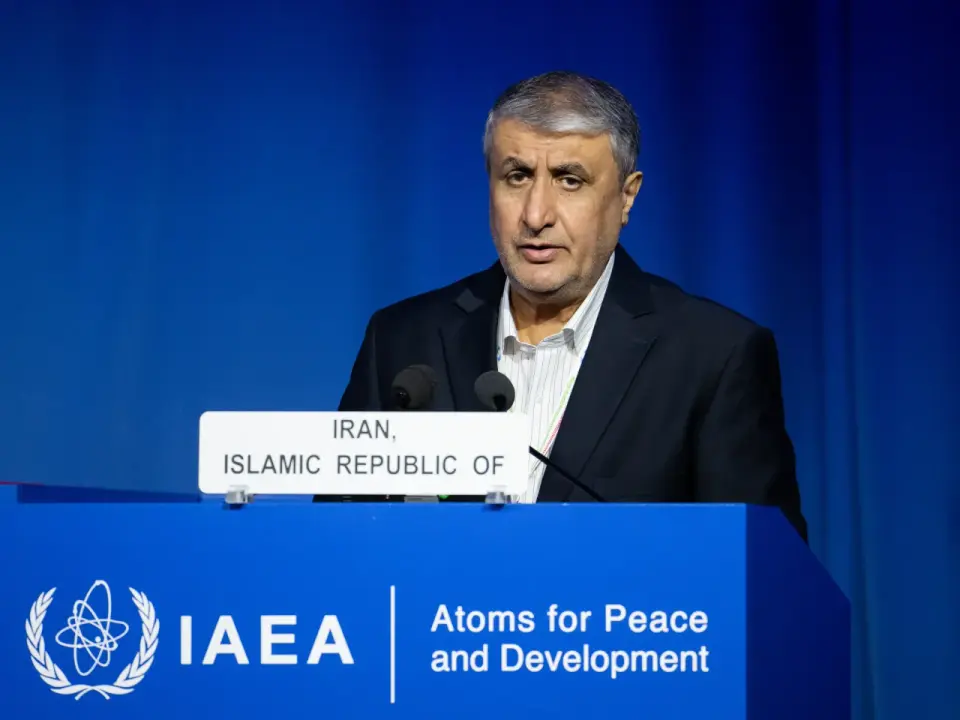
The United States successfully blocked Iran’s nuclear chief, Mohammad Eslami, from attending the IAEA General Conference in Vienna by vetoing a travel waiver. Austria revoked Eslami’s visa under UN 'snapback' sanctions, forcing Iran to cancel its delegation’s trip. While the US argues Eslami is a sanctioned individual using the forum for propaganda, Iran and Russia condemn the move as a political violation of their rights as member states. This diplomatic friction occurs amid ongoing tensions over Iran’s refusal to allow inspectors access to bombed nuclear sites and recent regional escalations involving the Houthis.
Key points
- US Ambassador Preston Wells Griffith III objected to a travel waiver for Eslami at the UN Security Council, citing his status under reinstated 'snapback' sanctions.
- Austria, the host nation, was legally compelled to deny entry after the waiver request failed under the UN’s 'no-objection' rule.
- Iran’s ambassador Reza Najafi accused the US of politicizing the IAEA and violating the legal framework governing member-state participation.
- US Energy Secretary Chris Wright confirmed Washington’s opposition, stating that sanctioned individuals should not evade restrictions.
- The incident coincides with Iran’s refusal to grant IAEA inspectors access to nuclear facilities damaged during the 2025 conflict.
Background
This dispute follows the 2025 reinstatement of UN sanctions against Iran by European powers, which included travel bans for officials linked to nuclear and missile programs. Previous coverage noted that Iran had already been sidelined from recent IAEA board meetings due to similar US objections. The current standoff is part of a broader pattern where Tehran denies access to sites bombed in 2025, while the IAEA has referred the matter to the UN Security Council, a move Iran rejects as unfounded.
How outlets are covering it
The US and its allies frame the visa denial as a strict enforcement of international law, arguing that Eslami is a designated sanctioned individual who would use the conference for propaganda rather than substantive cooperation. In contrast, Iran and Russia view the action as a political maneuver to obstruct Iran’s legitimate participation in international bodies. Iran’s foreign ministry explicitly accused the US of pressuring Austria into the decision, while the US maintains that the move prevents the evasion of sanctions. France 24 highlighted the broader regional context, noting that this diplomatic snub occurs alongside escalating military tensions in the Red Sea and the Strait of Hormuz.
Why it matters
The exclusion of Iran’s top nuclear official from the IAEA General Conference signals a deepening diplomatic rift and the continued effectiveness of US leverage within international institutions. It highlights the fragility of the nuclear non-proliferation framework, as the US uses sanctions to limit Iran’s diplomatic platform while Iran denies inspectors access to its facilities. This impasse complicates potential diplomatic openings, such as recent signals from President Trump regarding a possible deal, and risks further isolating Iran from the global nuclear governance structure.
What to watch
Iran has summoned Austria’s charge d’affaires to protest the visa denial and may seek further diplomatic channels to challenge the decision. The IAEA will continue to monitor the situation, potentially escalating its report to the UN Security Council regarding Iran’s lack of cooperation. Meanwhile, the US and Iran may engage in indirect talks, as suggested by recent statements from Washington, though the current sanctions environment makes direct engagement difficult.
- US blocks Iran nuclear chief from attending IAEA conference in Vienna Al Jazeera
- Iran protests as US prevents its nuclear chief attending IAEA meeting Reuters
- Iran denounces Austria for blocking its nuclear chief from a meeting in Vienna ABC News - Breaking News, Latest News and Videos
- Iran Official Blocked From UN Nuclear Meeting at US’s Urging Bloomberg.com
- Mideast live: Trump says 'open' to holding talks with Iran France 24
Want the full story? Read the original reporting
Read on Al Jazeera