
Xi Jinping Returns to Cairo for First Visit in a Decade to Boost Trade Amid Regional Crises
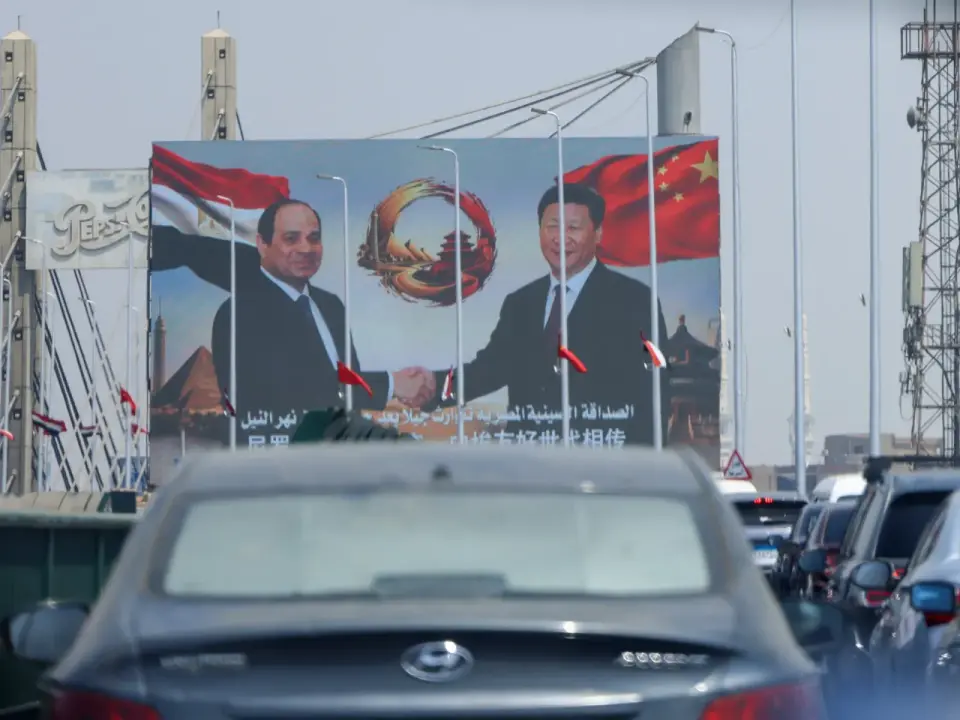
Chinese President Xi Jinping arrived in Cairo on Tuesday for his first state visit to Egypt since 2016, marking the 70th anniversary of diplomatic ties. The summit aims to strengthen the Comprehensive Strategic Partnership Agreement signed in 2014 and deepen economic cooperation, particularly in the Suez Canal area. Bilateral trade reached nearly $20.7bn by late 2025, with Chinese investments in the China-Egypt TEDA zone exceeding $3.8bn. The visit occurs amid significant regional instability, including the ongoing conflict in Gaza and the US-Israel war on Iran, with both leaders emphasizing shared positions on Palestinian rights and regional stability.
Key points
- Xi Jinping’s visit to Cairo is his first in ten years, coinciding with the 70th anniversary of China-Egypt diplomatic relations.
- The summit focuses on implementing the 2014 Comprehensive Strategic Partnership Agreement and boosting trade, which reached $20.7bn by the end of 2025.
- Chinese investments in the Suez Canal Economic Zone, particularly the TEDA cooperation zone in Ain Sokhna, have exceeded $3.8bn, hosting around 200 companies.
- Egyptian exports to China saw a nearly 200 percent increase in the first half of 2026, reaching $840.8m, while imports stood at $10.4bn.
- Both leaders highlighted shared stances on the Palestinian cause and regional peace, with Xi noting the resilience of their historical ties despite changing global landscapes.
Background
This visit follows a period of shifting Middle Eastern alignments, where Egypt previously declined to join a security pact between Turkey, Saudi Arabia, and Pakistan to maintain strategic flexibility. Recent regional tensions, including a drone strike at Egypt’s Damietta LNG port and rising piracy off Somalia, have heightened security concerns. The current summit occurs against a backdrop of intense instability driven by the ongoing genocide in Gaza and the six-month US-Israel war on Iran, making diplomatic engagement with major powers like China crucial for Egypt’s strategic positioning.
Why it matters
The visit underscores Egypt’s strategic pivot toward deepening economic and political ties with China, particularly in infrastructure and trade corridors like the Suez Canal. As regional conflicts escalate, strengthening partnerships with non-Western powers offers Egypt alternative avenues for security and economic support. The focus on the Nile water dispute and regional peace signals a coordinated diplomatic stance between Beijing and Cairo, potentially influencing broader Middle Eastern dynamics and global trade routes.
What to watch
Expect further announcements on expanding Chinese investments in the Suez Canal Economic Zone and potential new agreements on infrastructure and technology. Diplomatic consultations on regional issues, including the Grand Ethiopian Renaissance Dam and the Gaza conflict, may yield joint statements or coordinated positions in international forums. The success of the joint air exercises, which began in August, may also lead to expanded military cooperation between the two nations.
Want the full story? Read the original reporting
Read on Al Jazeera