
Xi’s BRICS Visit to New Delhi Marks First India Trip in Seven Years
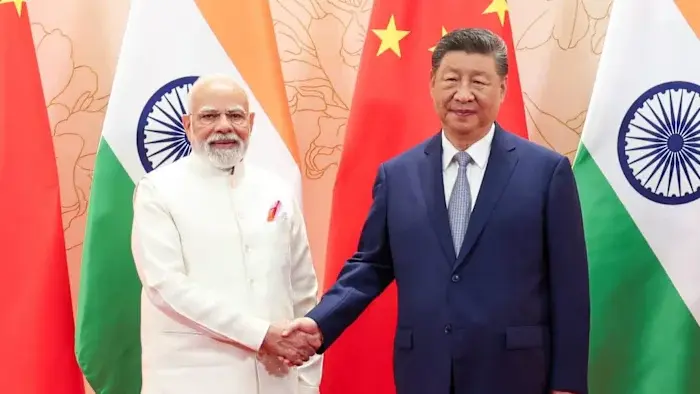
Chinese President Xi Jinping is set to visit India for the BRICS summit, marking his first trip to New Delhi in seven years. This high-level meeting follows years of cautious diplomatic efforts to repair ties damaged by deadly 2020 border clashes. While structural distrust remains, trade has surged to a record $155bn, and investment restrictions are easing. Analysts view this as a strategic move by Beijing to counter US influence, while New Delhi pursues a policy of competitive coexistence.
Key points
- Xi Jinping’s upcoming visit to New Delhi for the BRICS summit is his first trip to India since 2019, signaling a significant thaw in bilateral relations.
- The rapprochement follows deadly 2020 Himalayan border clashes that killed at least 20 Indian soldiers and an unknown number of Chinese troops, causing a sharp decline in political and economic engagement.
- Bilateral trade reached a record $155bn last year, up 12.4%, and jumped 23% in the first seven months of 2026 compared to the same period in 2025.
- India has relaxed restrictions on Chinese investment, allowing automatic clearance for non-controlling stakes of up to 10% in entities, and resumed direct flights and border patrols.
- Beijing views India’s shifting stance under US President Donald Trump’s second presidency as an opportunity to pull New Delhi away from Washington’s orbit and access a large market for Chinese firms.
- Despite progress, deep-seated trust deficits persist, with India maintaining resistance to Chinese participation in sensitive sectors like IT and Beijing wary of India becoming a manufacturing alternative.
Background
This development follows India’s recent diplomatic maneuvers, including Prime Minister Modi’s public rebuke of Russian President Vladimir Putin at the Shanghai Cooperation Organization summit in September 2026. Modi urged an end to the Ukraine war while India diversified its energy imports away from Russian crude due to US tariff threats. This pivot away from Moscow aligns with the broader trend of India balancing its relationships with both Beijing and Washington, as highlighted in earlier coverage of India’s strategic positioning amid shifting global energy and trade dynamics.
Why it matters
The normalization of ties between the world’s two most populous nations reshapes the geopolitical landscape in Asia. A stronger China-India relationship could reduce India’s reliance on the US, altering the balance of power in the Indo-Pacific. Economically, it opens a massive market for Chinese firms facing domestic slowdowns, while allowing India to secure critical components and technology. However, the fragile nature of this trust means that any future border incident could rapidly reverse these gains, leaving the region vulnerable to renewed confrontation.
What to watch
Observers will watch for concrete outcomes from the BRICS summit, particularly any new agreements on trade facilitation or technology cooperation. The success of the visit will be measured by whether the tentative thaw translates into sustained investment flows and whether India further relaxes restrictions on Chinese firms in sensitive sectors. Additionally, the impact of US foreign policy on India’s strategic choices will be a key factor in determining the long-term trajectory of these bilateral relations.
- World’s biggest relationship? Xi and Modi look to rebuild ties for 2.8bn people ft.com
- Xi's India visit to help diplomatic thaw, but business ties bound by suspicion Reuters
- Why India baffles China The Economist
- Breaking | China’s Xi Jinping to make first trip to India in 7 years for Brics summit South China Morning Post
- India Upbeat About China Ties Ahead Of BRICS Summit This Week Forbes
Want the full story? Read the original reporting
Read on ft.com