
Xi pledges BRICS AI leadership as India-China relations thaw in New Delhi
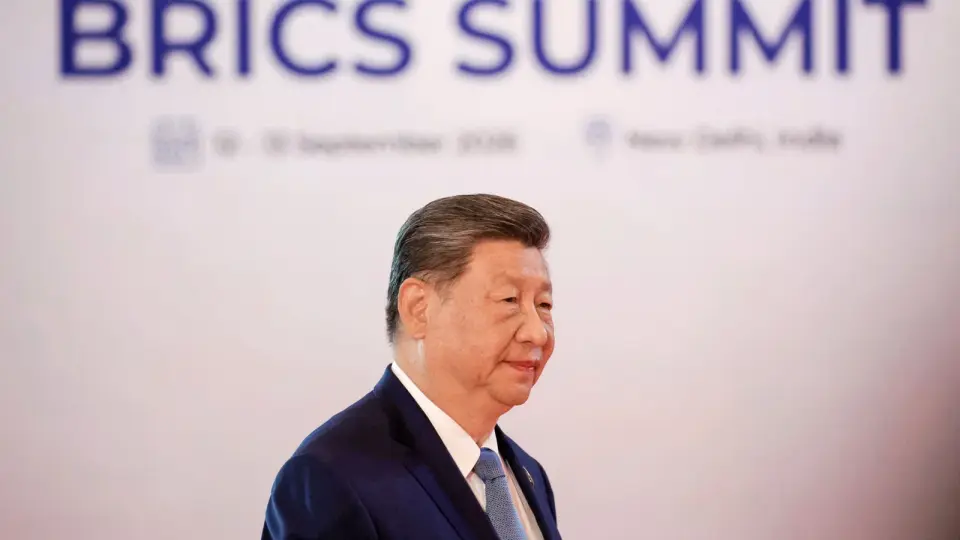
Chinese President Xi Jinping announced at the 18th BRICS summit in New Delhi that Beijing will lead artificial intelligence cooperation among developing nations. He proposed establishing a BRICS AI open-source community, a digital ecosystem cloud platform, and a youth exchange program for scientific innovation. The summit marked Xi's first visit to India in seven years, signaling a diplomatic thaw between the two Asian powers despite ongoing border tensions and differing views on the bloc's role.
Key points
- Xi Jinping stated that China will pioneer a BRICS AI open-source community and support the development of large language models to foster collaboration among developing economies.
- The Chinese leader proposed creating a BRICS digital ecosystem cloud platform, conducting digital skills training, and establishing an engineer cultivation alliance.
- Xi's proposals include a youth exchange program for scientific and technological innovation, though he did not address current debates regarding AI safety risks.
- The summit in New Delhi marked Xi's first visit to India in seven years, following a deadly 2020 border clash that killed 20 Indian and four Chinese soldiers.
- BRICS, which expanded to include Egypt, Ethiopia, Indonesia, Iran, Saudi Arabia, and the UAE, recently issued a joint declaration calling for maximum restraint in the Middle East.
Background
The 18th BRICS summit took place in New Delhi in September 2026, following earlier announcements of a five-point plan for global South unity. Previous coverage noted that Xi and Indian Prime Minister Narendra Modi had pledged to pursue fair resolutions to border disputes and deepen trade links, signaling a cautious reset in relations. The bloc, originally founded in 2009 as a counterweight to Western dominance, has grown to represent half of the global population, though internal fractures remain evident due to conflicting member interests.
How outlets are covering it
CNBC focused primarily on the technological initiatives, highlighting Xi's specific proposals for AI infrastructure and digital skills training, while noting the absence of comments on AI safety. The Guardian emphasized the diplomatic dimension, framing the summit as a public display of thawing India-China relations amidst quiet competition for leadership. The Guardian also highlighted internal BRICS divisions, noting that while a joint declaration was reached, members like Iran and Saudi Arabia have conflicting interests, and India maintains a more cautious, non-anti-Western stance compared to China's push for a counterweight to US dominance.
Why it matters
The summit signals a shift in global technology governance, with China positioning itself as a leader for AI development in the Global South. The diplomatic thaw between India and China, two nuclear-armed rivals, could stabilize regional tensions, while the BRICS bloc's ability to reach consensus on issues like Middle East restraint tests its cohesion as a counterweight to Western-led institutions.
What to watch
Observers will watch for the implementation of the proposed BRICS AI open-source community and digital cloud platform. Further developments in India-China relations, including the resolution of border disputes and expansion of trade links, will determine the durability of the current diplomatic thaw. The BRICS bloc will also need to navigate internal fractures, particularly regarding conflicts involving member states in the Middle East.
- Xi says China will take lead to foster AI, tech cooperation among BRICS countries CNBC
- Brics summit ends with Xi’s AI offer, Modi’s warning on critical minerals as weapons South China Morning Post
- Xi urges BRICS peace role in Middle East, courts Modi on India visit reuters.com
- Xi Jinping gets red carpet at Brics summit amid thaw in India-China relations The Guardian
- Xi Resets Ties With Modi on First Visit to India in Seven Years Bloomberg.com
Want the full story? Read the original reporting
Read on CNBC