
Germany’s Breuer Wins NATO Military Committee Chair, Beating Canada’s Carignan
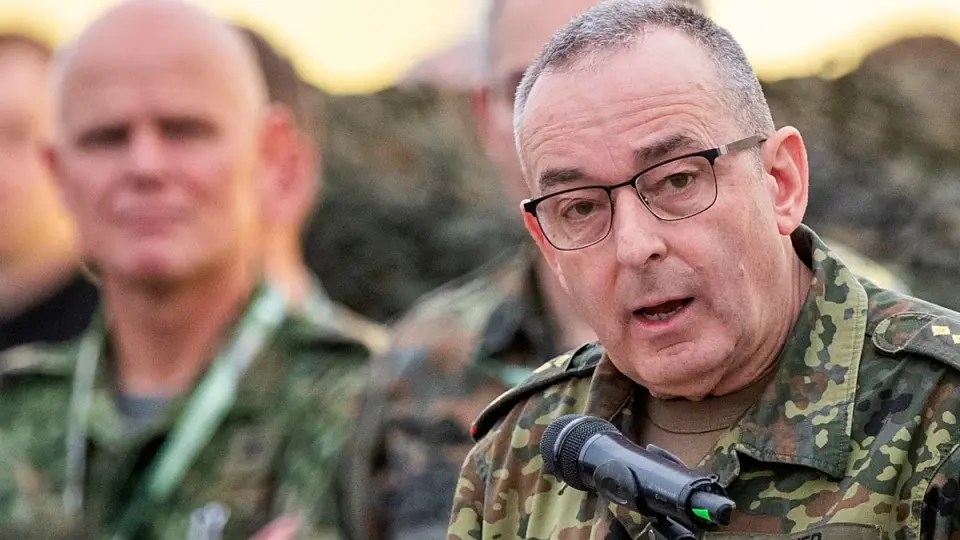
German General Carsten Breuer has been elected chair of NATO’s Military Committee, defeating Canadian General Jennie Carignan in a secret ballot. He will take office in July 2027 for a three-year term, succeeding Italian Admiral Giuseppe Cavo Dragone. The appointment marks a significant shift in alliance leadership, reflecting Germany’s rising influence as Europe’s top defense spender and its expanded operational role in frontline states like Lithuania and Estonia. While Breuer’s campaign emphasized European defense autonomy amid shifting U.S. priorities, Carignan’s bid highlighted transatlantic unity but faced obstacles due to strained Canada-U.S. relations. The role serves as the alliance’s primary military advisory body, bridging chiefs of staff with political leaders like Secretary-General Mark Rutte.
Key points
- Carsten Breuer, Germany’s chief of defense since March 2023, won the secret ballot with support from at least 17 of NATO’s 32 chiefs of defense.
- Breuer will assume the chairmanship in July 2027, serving a three-year term aligned with NATO’s deterrence goals against Russian aggression by 2029.
- Canadian General Jennie Carignan, who had been Canada’s top general since 2024, lost the election; a Canadian has not held this post since 2008.
- The position is one of the most influential in NATO, acting as the chief military adviser to the Secretary-General and overseeing military staff working groups.
- German Defence Minister Boris Pistorius praised Breuer’s strategic foresight and his role in restructuring the Bundeswehr, noting the alliance faces historic challenges.
Background
This appointment follows a period of increased European defense spending and strategic autonomy, as highlighted in recent NATO warnings about Russian aggression. Germany has been expanding its operational footprint in the Baltics, including a permanent deployment in Lithuania and a regional army command focused on Estonia and Latvia. The shift in leadership coincides with broader discussions about European security responsibilities as the United States broadens its strategic focus to other regions. Previous archive coverage noted that NATO chief Mark Rutte had emphasized the need for Europe to boost defense spending in response to Moscow’s actions, setting the stage for this leadership transition.
How outlets are covering it
Euronews and Politico emphasize the strategic significance of Breuer’s appointment, framing it as a reflection of Germany’s growing role in NATO and its status as Europe’s top defense spender. Politico notes that Breuer’s campaign focused on European allies taking greater control of their defense, while Carignan’s pitch centered on reinvigorating the military committee and signaling transatlantic unity. CBC highlights the political dimensions of the loss for Canada, noting that strained bilateral ties between Canada and the U.S., particularly under President Donald Trump, were seen as a roadblock to Carignan’s candidacy. CBC also points out that Carignan would have been the first woman to lead the Military Committee in NATO’s 77-year history. All sources agree that the election was conducted via a secret ballot to avoid divisions, with Dragone announcing the result publicly.
Why it matters
The appointment of Breuer signals a shift in NATO’s military leadership toward a European-centric approach, reflecting Germany’s increasing influence and operational responsibility within the alliance. It underscores the changing dynamics of transatlantic relations, where European nations are taking greater responsibility for conventional deterrence. The role is critical for advising political leaders on military feasibility and capabilities, making it a key position in shaping NATO’s response to potential Russian aggression. The outcome also highlights the competitive nature of NATO leadership roles and the impact of bilateral relations on such appointments.
What to watch
Breuer will officially take office in July 2027, succeeding Admiral Giuseppe Cavo Dragone. A successor to fill Breuer’s current post as Inspector General of the Bundeswehr has yet to be named. The alliance will continue to focus on bolstering deterrence against Russian aggression by 2029, with Breuer expected to play a pivotal role in advising on military operations and capabilities. Canada’s General Carignan will continue to serve as chief of the defence staff, and the federal government has expressed pride in her candidacy despite the loss.
- NATO elects German General Carsten Breuer as top military advisor Euronews.com
- German General Wins Top NATO Role—and a Platform to Warn About Russia WSJ
- Germany’s top general to lead NATO’s highest military authority politico.eu
- Canada's top general loses election to become head of key NATO Military Committee CBC
- German general Breuer elected to head top NATO military body reuters.com
Want the full story? Read the original reporting
Read on Euronews.com