
Denmark expels Russian diplomat after thwarting plot to kill Ukrainian rapper
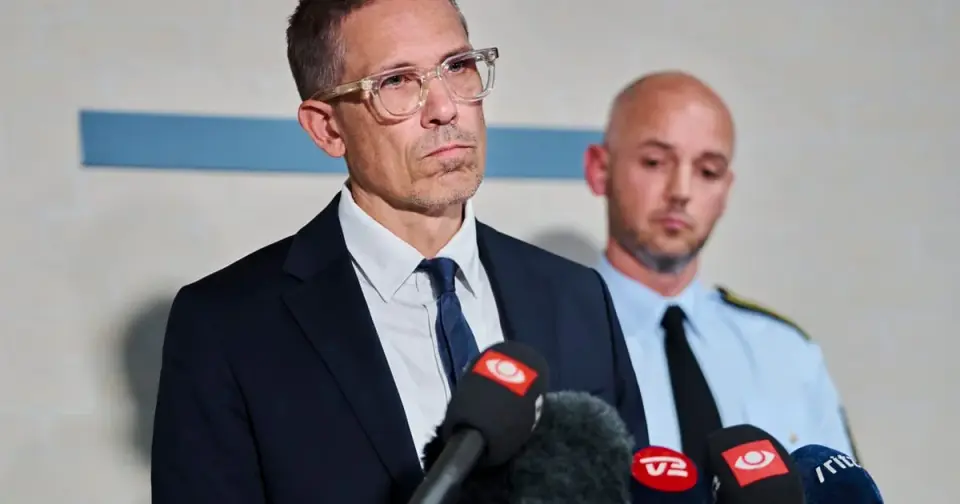
Danish authorities announced on November 20 that they thwarted a plot by Russian intelligence to assassinate Ukrainian rapper Kyivstoner during a concert in Copenhagen. The government expelled the Russian defense attaché, while EU leaders condemned the act as an unacceptable violation of sovereignty. The suspects deny the allegations, and Moscow rejects the claims as unsubstantiated.
Key points
- Danish intelligence service PET confirmed that Russian operatives recruited two members of the Copenhagen-based gang 'Loyal to Familia' to kill Kyivstoner before his September 25 performance.
- Police arrested the suspects in a vehicle carrying weapons, leading to the cancellation of the concert; the men remain in custody and deny the charges.
- Denmark ordered the Russian defense attaché to leave the country within seven days, a move Russia’s foreign ministry condemned as lacking evidence.
- EU Commission President Ursula von der Leyen stated that Russian threats are becoming 'less and less hybrid' and indicated the bloc may deploy rapid response teams or sanctions.
- This is the second assassination plot against Kyivstoner this year; a Russian man was previously detained in Poland in August for a similar planned attack.
Background
This incident follows a broader pattern of escalating Russian hybrid threats in Europe, including warnings in October about assassination plots targeting European defense executives. It also occurs amid heightened tensions, including recent missile incidents in Poland and EU discussions on security strategy and funding for Ukraine.
How outlets are covering it
While Danish officials and EU leaders, including von der Leyen and Prime Minister Mette Frederiksen, expressed certainty regarding Russian involvement and framed the plot as a grave security threat, the Russian embassy and foreign ministry rejected the accusations as 'unsubstantiated' and 'unverifiable.' The New York Times emphasized the diplomatic expulsion, while NBC News highlighted the arrest of gang members and the broader context of Russian aggression in Europe.
Why it matters
The case illustrates the shifting nature of Russian hybrid warfare, moving from cyber and disinformation to direct physical violence on EU soil. It forces the EU to accelerate its security strategy and consider concrete deterrent measures, such as sanctions and rapid response teams, against perceived threats to member states.
What to watch
The EU is expected to finalize its European Security Strategy, potentially including new mechanisms for rapid response and deterrence against hybrid threats. Russia is likely to retaliate diplomatically or through other channels in response to the expulsion of its defense attaché.
- Russian threats ‘less and less hybrid,’ Von der Leyen says after assassination plot in Denmark POLITICO.eu
- EXCLUSIVE: Denmark pushes EU to tighten travel curbs on Russians after foiled plot Reuters
- Denmark Accuses Russia of Trying to Kill Ukrainian Rapper WSJ
- Denmark Expels Russian Diplomat After Accusing Moscow of Planning a Hit The New York Times
- Denmark accuses Russia of plotting to kill Ukrainian American rapper on its soil NBC News
Want the full story? Read the original reporting
Read on POLITICO.eu