
France Accuses Iran of Sabotaging 700 Supermarket Fridges in October Cyberattack
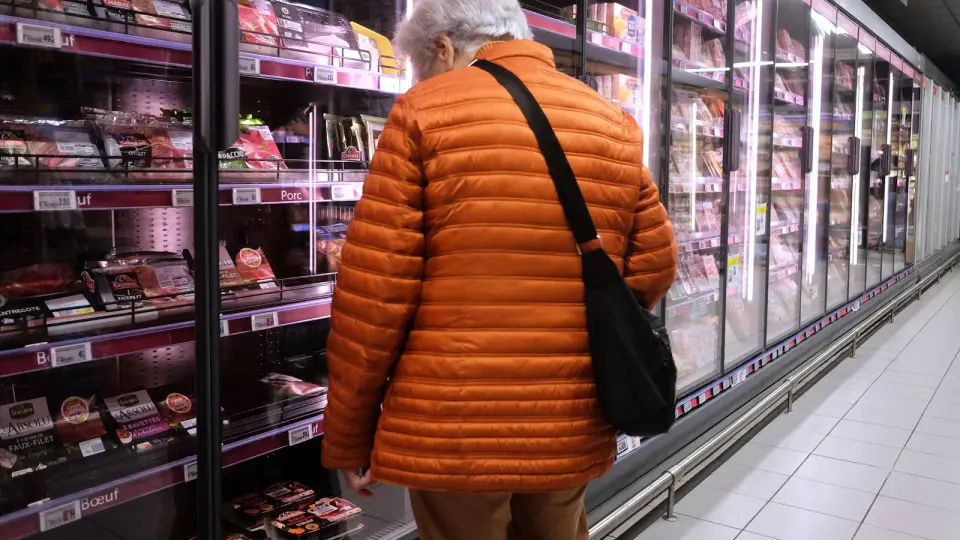
France has formally blamed Iran for an October 12 cyberattack that sabotaged refrigeration systems in approximately 700 supermarkets, causing massive food spoilage and fires. Paris summoned the Iranian ambassador and opened a judicial investigation into the Islamic Revolutionary Guard Corps (IRGC), citing evidence of Farsi language use and Iranian IP addresses. French officials described the incident as the first large-scale sabotage cyberattack on national territory and are pursuing retaliatory sanctions at the European level. While similar incidents occurred in Sweden, Belgium, and Ireland, it remains unclear if they are linked to the French attack or to other suspected incidents in the US.
Key points
- The October 12 attack caused refrigerator temperatures to spike to 122 degrees Fahrenheit (50°C), spoiling millions of dollars worth of fresh and frozen produce and causing some equipment to catch fire.
- Paris prosecutors allege the attack was carried out by the IRGC, specifically targeting the head of the Shahid Kaveh cyber unit and two deputies, with international arrest warrants sought for these individuals.
- Foreign Minister Jean-Noël Barrot characterized the event as an 'unprecedented' assault on national interests, prompting France to summon the Iranian ambassador and demand European-level sanctions.
- The attack exploited legacy software from Danish manufacturer Danfoss, highlighting vulnerabilities in connected industrial appliances, though no group has claimed responsibility for the incident.
- Similar cyberattacks targeting supermarket fridges occurred in Sweden, Belgium, and Ireland earlier in November, while the US Pentagon previously reported suspected malfunctions at military base commissaries in August, though links between these events are unconfirmed.
Background
This incident follows a broader pattern of cyber threats against critical infrastructure. In late February, following US and Israeli strikes on Iran, the US intelligence community issued private warnings to American companies and agencies regarding potential Iranian cyberattacks. The current French case is part of a wider European trend of connected appliance vulnerabilities, with The Atlantic noting that such targets are ideal for hackers seeking to sow chaos without necessarily demanding ransom. Previous archive coverage confirms the scale of the October incident, noting losses exceeding €10 million and affecting major chains like Carrefour and Intermarché.
How outlets are covering it
ABC News and CNN align on the core facts: France blames Iran, specifically the IRGC, for the October attack that affected 700 stores. CNN provides additional detail on the method (defrost cycles) and the legal response (investigation into specific IRGC officials). The Atlantic offers a broader technological context, questioning why connected fridges have not been targeted sooner and noting the potential for similar attacks in the US. Axios’s content was largely inaccessible due to cookie consent screens, offering no new substantive information. All sources agree that Iran has not officially responded to the accusations, and while The Atlantic and CNN mention similar incidents in other countries, none confirm a direct link to the French attack.
Why it matters
This case underscores the growing risk of cyberattacks targeting critical infrastructure through connected appliances, moving beyond data theft to physical sabotage. The French response, including international arrest warrants and calls for European sanctions, signals a shift toward treating such cyber-sabotage as a state-sponsored act of war. It also highlights the vulnerability of legacy industrial software in retail environments, potentially prompting a re-evaluation of security protocols for connected devices across Europe and the US.
What to watch
France is expected to push for retaliatory sanctions at the European level and pursue international legal action against the accused IRGC officials. The outcome of the judicial investigation and the response from Tehran will determine the diplomatic trajectory between Paris and Tehran. Additionally, European and US authorities may issue further warnings or security advisories regarding connected refrigeration systems in light of the confirmed and suspected incidents across multiple countries.
- France blames Iran for the last month's cyberattack on supermarket fridges ABC News - Breaking News, Latest News and Videos
- France blames Iran for ‘unprecedented’ supermarket fridge cyberattack CNN
- Perhaps Connecting Fridges to the Internet Was a Bad Idea The Atlantic
- France says Iranian hackers sabotaged supermarket refrigerators Axios
- France blamed Iran's Revolutionary Guard for hacking hundreds of supermarket fridges Quartz
Want the full story? Read the original reporting
Read on ABC News - Breaking News, Latest News and Videos