
Rutte Dismisses Russian Nuclear Threats Over Kaliningrad, Urges Calm
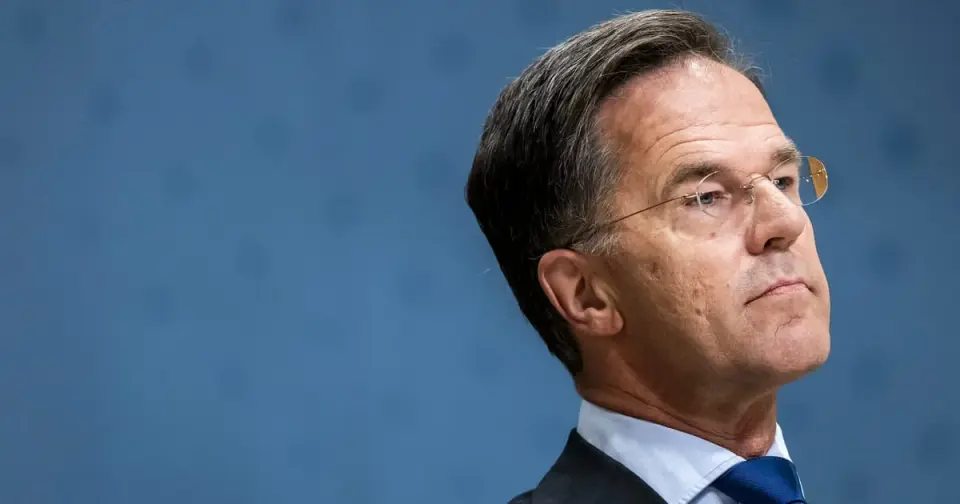
NATO Secretary-General Mark Rutte firmly rejected Russian nuclear threats regarding the Kaliningrad exclave, asserting that the alliance is stronger than Russia and poses no offensive risk. While Moscow warned of using its full arsenal if NATO attempts to isolate the exclave, NATO officials dismissed the move as 'irresponsible rhetoric' and a tactic to intimidate European public opinion. Rutte emphasized that there is no imminent threat to NATO territory, urging continued support for Ukraine and calm in the face of escalating hybrid warfare.
Key points
- Moscow sent a letter to NATO threatening nuclear escalation if the alliance attempts to blockade or isolate the Kaliningrad exclave, citing recent exercises and the Baltic Sentry mission as 'reckless' behavior.
- NATO Secretary-General Mark Rutte responded at a Brussels security summit, stating, 'NATO is so much stronger than Russia is, so there's no way they can ever beat us,' and called for calm and continued support for Ukraine.
- NATO spokesperson Allison Hart confirmed the alliance sent a response denouncing the 'irresponsible nuclear rhetoric' and reaffirming that NATO is a defensive alliance whose activities pose no risk to Russian territory.
- Belgian Defence Minister Theo Francken warned of a 'dark winter' ahead due to intensified Russian hybrid attacks, urging Europe to accelerate air defense production and industrial capacity.
- European Defence Commissioner Andrius Kubilius rejected diplomatic engagement with Russia, arguing that Moscow’s position is that Ukraine must surrender, and warned that Europe must be prepared for potential drone or missile attacks.
Background
This escalation follows a period of rising tensions in the Baltic region, where NATO has been monitoring potential Russian hybrid threats and increasing vigilance. Previous reports in September 2026 highlighted concerns over Russian drone strikes on Ukraine and warnings from NATO commanders that hybrid threats now extend across all of Europe. The current exchange is part of a broader pattern of Russian attempts to intimidate European public opinion and divert attention from the war in Ukraine, amid ongoing debates about European defense spending and US-NATO relations.
How outlets are covering it
POLITICO and The Guardian highlight Rutte’s strong, dismissive tone, emphasizing NATO’s strength and the need for calm. FT and Euronews focus more on the specific content of the Russian letter, including threats to strike 'decision-making centres' in NATO member states, and the broader context of hybrid warfare. While all sources agree on the facts of the letter and NATO’s response, they differ in emphasis: POLITICO and The Guardian stress the political messaging and Rutte’s confidence, while FT and Euronews detail the military and diplomatic implications, including warnings from Belgian and Lithuanian defense officials about a 'dark winter' and 'red lines' being approached. Some NATO diplomats, cited by POLITICO, view the threats as 'textbook Russian propaganda' aimed at dividing allies, while others, like Kubilius, argue for a harder line against Moscow.
Why it matters
The exchange underscores the fragility of the current security environment in Europe, where nuclear rhetoric and hybrid warfare are being used to test NATO’s resolve and cohesion. It highlights the ongoing challenge of balancing deterrence with de-escalation, and the need for Europe to strengthen its own defense capabilities in the face of a perceived Russian threat. The incident also reflects the broader geopolitical tensions between NATO and Russia, and the impact of the war in Ukraine on European security and foreign policy.
What to watch
NATO will likely continue to monitor Russian activities near Kaliningrad and in the Baltic region, while maintaining its defensive posture. European countries may accelerate efforts to boost air defense and industrial capacity, as urged by Belgian and Lithuanian officials. Diplomatic channels may remain open, but with limited prospects for de-escalation, given Moscow’s stated position. The focus will remain on supporting Ukraine and ensuring that NATO’s unity is not undermined by Russian propaganda or hybrid attacks.
- ‘No way they can beat us’: Rutte rebuffs Russian nuclear threats to NATO politico.eu
- Russia sends nuclear warning to NATO as tensions rise in the Baltic Reuters
- Russia makes extreme threats against Nato countries over Kaliningrad ft.com
- No imminent threat to Nato territory but alliance is prepared for Russian aggression, says Rutte - as it happened The Guardian
- Euronews Defence Summit: 'Stop the nuclear threats,' Rutte tells Russia Euronews.com
Want the full story? Read the original reporting
Read on politico.eu