
Uganda Begins Phased Troop Exit from Somalia, Triggering Security Shifts Near Mogadishu
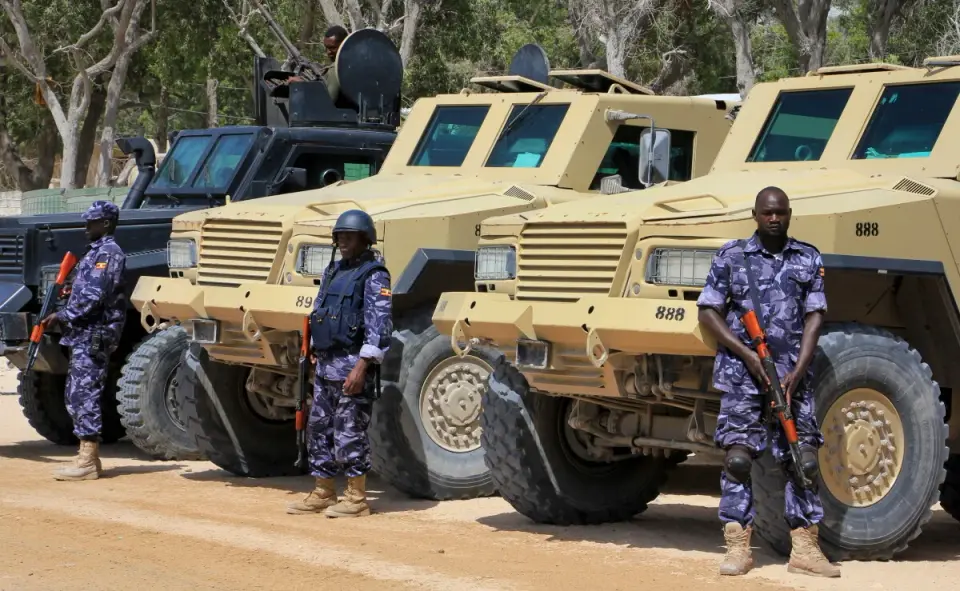
Uganda has initiated the withdrawal of its bilateral troops from Somalia, a move driven by funding shortages and set to conclude fully by the end of 2027. This exit ends a 20-year military presence and creates a security vacuum near Mogadishu, which African Union peacekeepers plan to fill by taking over four critical bases in November. While Somali authorities frame the shift as a step toward self-reliance, analysts warn that the Somali army lacks the resources to secure key areas like Lower Shabelle against al-Shabab militants.
Key points
- Uganda announced the withdrawal of its bilateral troops on Monday, with the first contingent already returned home; all forces are scheduled to leave by the end of 2027.
- African Union peacekeepers will assume control of four bases—Sabid-Anole, Bariire, Awdheegle, and Bulonagad—in November to prevent al-Shabab from exploiting the security gap.
- The withdrawal was accelerated by funding shortages, according to Farhan Isak Yusuf of the Somali Public Agenda, though Uganda’s military did not specify the immediate cause for the bilateral troop exit.
- Somali army commander Maj. Gen. Ibrahim Mohamed Mohamud visited Barawe to order heightened alert levels, but it remains unclear if Somali forces will fully replace the Ugandan units.
- The move follows the closure of the UN political mission in Somalia, ending over three decades of international support, amidst ongoing disputes over presidential tenure and militant attacks.
Background
This development follows a broader trend of international military withdrawals in the region, including the recent US exit from Iraq. In Somalia, the UN political mission recently closed, marking the end of successive missions that helped rebuild the country. While Somali authorities view this as a milestone toward autonomy, the timing coincides with a dispute over the president’s right to remain in office and continued militant violence, such as a recent ambush that killed at least 20 soldiers in the Bay region.
Why it matters
The withdrawal risks creating a security vacuum that al-Shabab could exploit to regain territory, particularly in Lower Shabelle, which is critical for protecting Mogadishu. The Somali army’s limited resources and the recent closure of the UN political mission raise concerns about the country’s ability to maintain stability without international support, potentially undermining the progress made in combating militant groups over the past two decades.
What to watch
African Union peacekeepers are scheduled to rotate into the four vacated bases in November. Uganda’s remaining forces, including its African Union peacekeepers, will gradually withdraw by the end of 2027. Somali authorities must determine if their army can fully assume responsibility for securing these critical locations, while the government continues to manage political disputes and militant threats without the support of the recently closed UN political mission.
Want the full story? Read the original reporting
Read on AP News