
Argentina Escalates Falklands Oil Dispute with UN Tribunal Bid and Interpol Threats
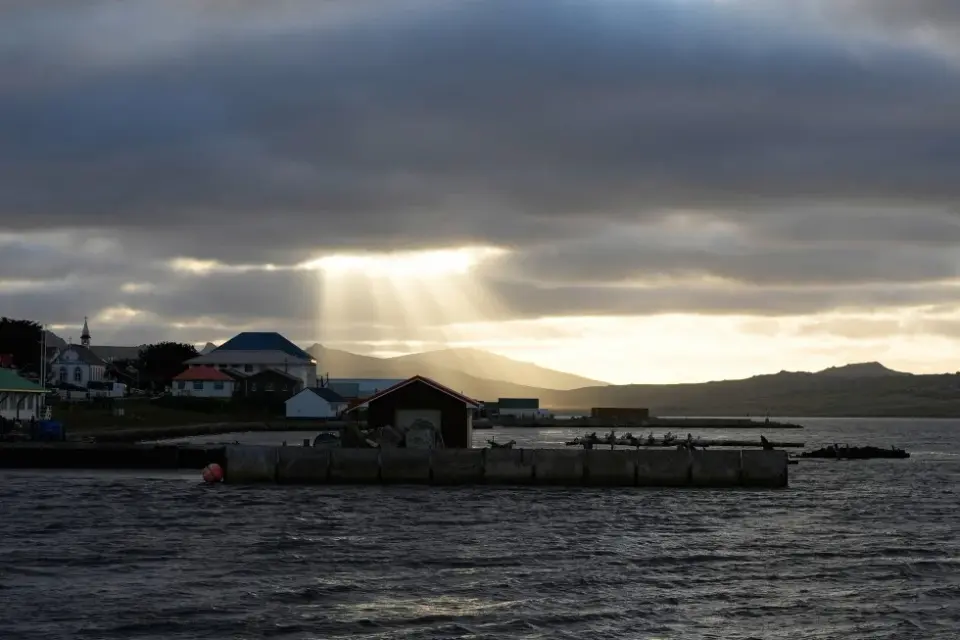
Argentina has formally requested the International Tribunal for the Law of the Sea (ITLOS) to halt the UK’s Sea Lion oil project in the Northern Falkland Basin. Buenos Aires argues the exploration violates international maritime law, while London insists the licenses are valid. The dispute has intensified since September, with Argentina threatening economic sanctions and criminal proceedings against involved firms, and the UK seeking Interpol’s help to block politically motivated arrest requests.
Key points
- Argentina filed a claim with ITLOS in Hamburg to stop the Sea Lion oil project, located 130 miles from the Falklands.
- The UK government defended the project as lawful, noting it is regulated by the Falkland Islands government and approved by the Foreign Secretary.
- London appealed to Interpol to reject Argentine 'red notice' requests for the arrest of individuals linked to the oil project, labeling them politically motivated.
- The Sea Lion project, a joint venture between UK’s Rockhopper Exploration and Israel’s Navitas Petroleum, is expected to begin production in 2028 and could triple the islands’ GDP.
- The UK introduced measures under the Protection of Trading Interests Act to shield companies from Argentine sanctions and extra-territorial legal pressure.
Background
Tensions between the UK and Argentina over the Falkland Islands have escalated sharply since September 2026. In late September, Argentine President Javier Milei gave London a two-week deadline to halt the Sea Lion project, followed by an Argentine federal court order suspending the project. Milei also criticized the UN at the General Assembly, calling it 'useless' for failing to address the sovereignty dispute. The current legal and diplomatic confrontation marks the highest level of tension between the two nations since the 1982 war.
How outlets are covering it
AP News and BBC report that Argentina’s ITLOS claim aims to block activity it deems 'illegally' authorized by the UK, while the UK Foreign Office minister Uma Kumaran criticized Argentina’s 'escalating campaign' and 'economic coercion.' The Guardian highlights the UK’s appeal to Interpol to reject Argentine arrest requests, noting that Interpol’s constitution forbids political interventions. The Telegraph was inaccessible due to a security block, so its perspective is unavailable. All accessible sources agree that the dispute centers on the legality of the Sea Lion project and the sovereignty of the Falkland Islands, with the UK emphasizing the islands’ self-governance and Argentina asserting its continental shelf rights.
Why it matters
The dispute threatens to disrupt a major oil project that could significantly boost the Falkland Islands’ economy, potentially generating huge revenues for its 3,500 inhabitants. It also raises broader questions about international maritime law, the enforcement of UN conventions, and the use of legal and diplomatic tools to influence commercial activities in disputed territories. The UK’s response, including Interpol appeals and trade protection measures, signals a firm stance against what it views as Argentine coercion, while Argentina’s actions could set precedents for how sovereignty claims are litigated in international forums.
What to watch
The ITLOS will now review Argentina’s claim, though its rulings are legally binding but lack enforcement mechanisms if a country refuses to comply. The UK is expected to engage with the tribunal while firmly resisting Argentina’s position. Meanwhile, the UK government is likely to continue supporting companies operating in the Falklands through legal and diplomatic channels, and Argentina may further escalate its legal and economic pressure, including potential sanctions on firms and individuals involved in the oil project.
- Argentina takes fight with UK over Falklands’ oil industry to international tribunal AP News
- Argentina targets UK in legal claim over Falklands oil exploration BBC
- Argentina seeks tribunal order against UK oil activity near Falklands Reuters
- UK asks Interpol to reject Argentina’s ‘politically motivated’ requests for Falklands oil arrests The Guardian
- Ed Miliband signs off on Falklands drilling despite Argentina row The Telegraph
Want the full story? Read the original reporting
Read on AP News