
Ukraine’s Drone Campaign Hits Russian Refineries as Trump’s Ceasefire Collapses
Ukraine’s sustained drone strikes on Russian oil refineries have caused the worst fuel crisis since the Soviet collapse, damaging 1% of Russia’s GDP. While Kyiv targets hard-to-repair components to exploit sanctions, President Trump has demanded Ukraine halt attacks, even as a proposed energy ceasefire collapsed within hours of its announcement.
Key points
- Ukraine has struck at least two-thirds of Russia’s 36 major refineries since April, targeting critical desalting and distillation units that are difficult to repair due to EU and US sanctions.
- The strikes have knocked half of Russia’s refining capacity offline by August 2026, causing gasoline and diesel prices to rise by approximately 20% and triggering nationwide inflation.
- A proposed 'energy ceasefire' announced by President Trump on October 11 collapsed within hours after Russia struck Ukrainian power plants, leading Zelenskyy to reject the truce and demand a 60-day pause for elections.
- Trump has eased restrictions on importing Russian diesel and criticized Ukraine’s strikes, while Putin acknowledged the economic damage but pledged to improve air defenses and allow private companies to install their own protection systems.
- Recent attacks, including a multi-day fire at the Novoshakhtinsk refinery terminal near Rostov, have damaged storage tanks and disrupted fuel exports, with Ukraine’s deep-strike units doubling their drone waves to overwhelm Russian defenses.
Background
This escalation follows a period of intensified Russian strikes on Ukrainian data centers and energy infrastructure in late September 2026. The current crisis is part of a broader pattern where Ukraine uses long-range drone operations to target Russian energy assets, a strategy that has gained momentum since August 2025. The collapse of the recent energy ceasefire highlights the ongoing tension between US diplomatic efforts to stabilize fuel markets and the realities of the ongoing conflict on the ground.
How outlets are covering it
The Washington Post emphasizes the strategic precision of Ukraine’s strikes, noting that targeting specific, sanction-restricted components makes repairs nearly impossible and has led to a significant drop in Russian refined exports. In contrast, The Moscow Times focuses on the immediate physical damage and logistical disruptions in Rostov, highlighting the fire at the Novoshakhtinsk terminal and the resulting delays in railway and shipping operations. UNITED24 Media highlights the diplomatic friction, noting Trump’s public pressure on Zelenskyy to stop the attacks and his alignment with Moscow on fuel imports. Ukrainian Pravda provides on-the-ground reporting of the latest explosions, confirming the continued intensity of the campaign despite diplomatic efforts to pause it.
Why it matters
The sustained damage to Russian refining capacity is reshaping global energy markets and testing the limits of US-Russia-Ukraine diplomacy. The inability to repair critical infrastructure due to sanctions is creating a long-term economic strain on Russia, while the collapse of the energy ceasefire signals that a comprehensive peace deal remains distant. This situation also raises questions about the effectiveness of international sanctions and the potential for further escalation in both military and diplomatic spheres.
What to watch
Expect continued Ukrainian drone strikes on Russian energy infrastructure, particularly targeting components that are difficult to replace. The US may face further pressure to reconcile its import of Russian diesel with its support for Ukraine, potentially leading to shifts in intelligence sharing or weapon sales. Russia is likely to continue improving its air defenses and allowing private infrastructure protection, while diplomatic efforts may focus on temporary pauses rather than a comprehensive ceasefire.
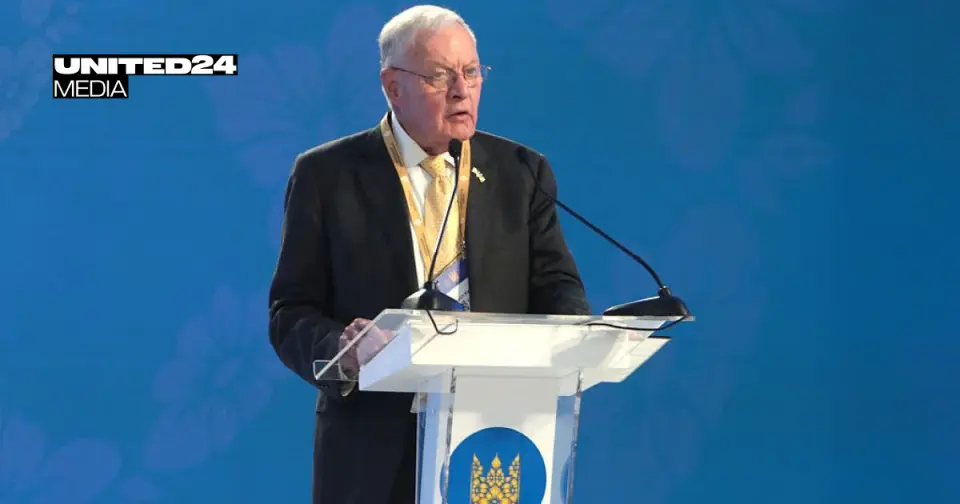
- “Let Ukrainians Do What They’ve Been Very Good At”: Trump’s Ex-Envoy Backs Strikes on Russia UNITED24 Media
- Trump’s Ex-Envoy Says Ukraine Should Be Free to Strike Russia Bloomberg.com
- How Ukraine uses precision drone strikes to hobble Russian oil refineries The Washington Post
- Another oil storage tank explodes at refinery terminal near Rostov – video Українська правда
- Rostov Oil Terminal Burns for Third Day After Reported Ukrainian Drone Attack The Moscow Times
Want the full story? Read the original reporting
Read on UNITED24 Media